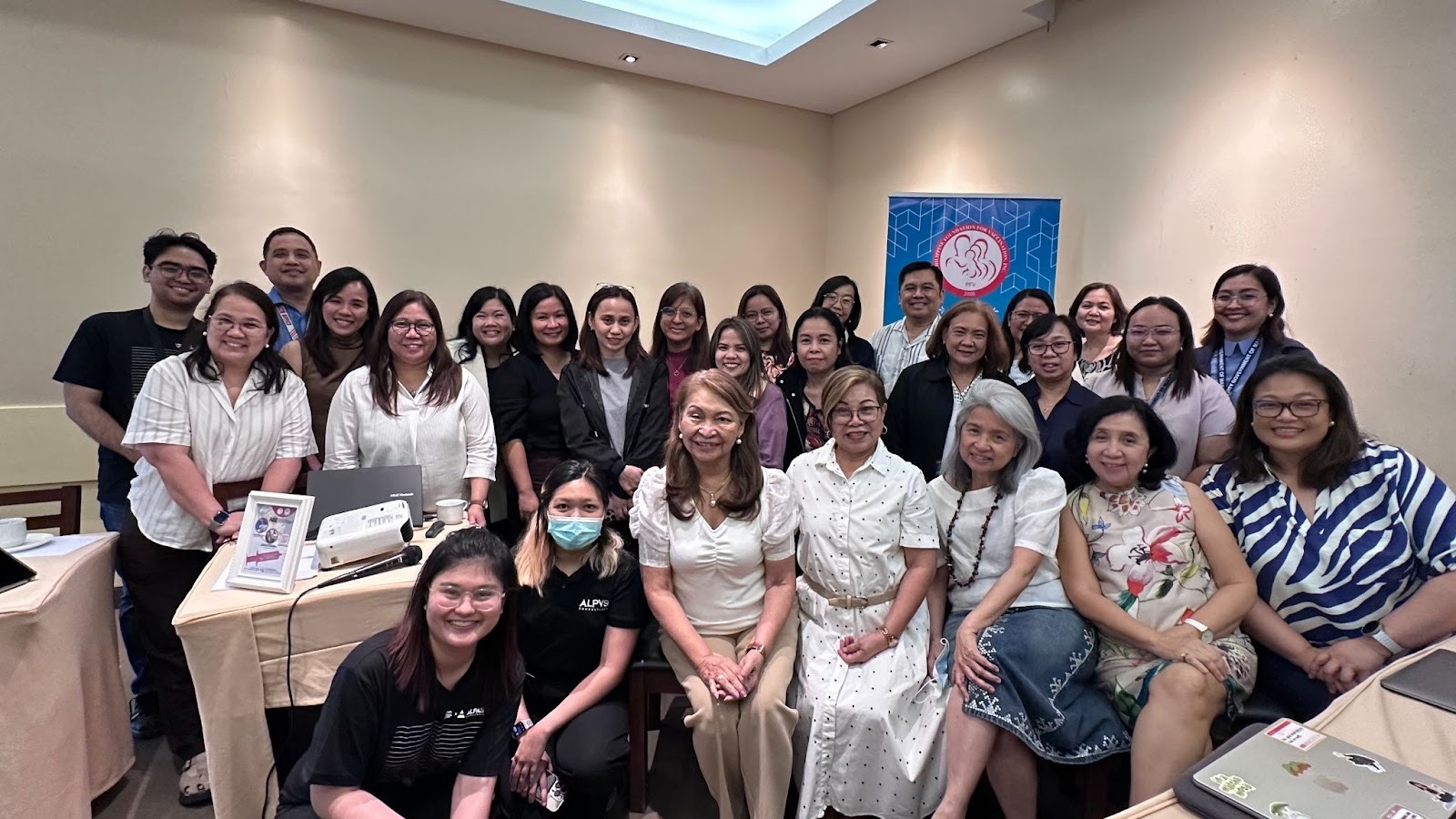

PFV, along with Former Undersecretary Gloria Mercado and Policy Expert Norman Cualteros, guided Metro Manila LGU representatives in a workshop to translate program insights into evidence-based health policies.
Metro Manila local government units are urging the national government to strengthen vaccination systems amid ongoing procurement delays, calling for bigger budgets, dedicated personnel, and more efficient coordination to raise immunization coverage in their communities.
The appeal took center stage during a workshop organized by the Philippine Foundation for Vaccination (PFV), where LGUs highlighted urgent gaps that hinder their ability to protect vulnerable populations.
PFV Executive Director Dr. Lulu Bravo underscored the critical role of LGUs in sustaining vaccination efforts, noting that real progress lies in empowering those at the frontline of public health. She stressed that vaccination rates remain low and that challenges go beyond public demand. What LGUs need, she said, is equal access to supplies and resources so they can match national priorities with on-ground action.
The workshop, themed “From Data to Policy: Strengthening Vaccination Programs for Greater Impact,” revealed recurring obstacles such as delayed vaccine deliveries, near-expiry stocks, and inconsistent data reporting across cities. Participants called for a centralized digital reporting system and for the appointment of full-time immunization staff to ensure faster distribution and smoother coordination among health offices.
These concerns echo Senate President Vicente Sotto III’s warnings during budget discussions. He pointed out that vaccine procurement delays and price disparities hinder LGUs’ ability to supplement national supply.
While some LGUs can afford to buy their own vaccines, they are unable to access the wholesale prices offered to the Department of Health, prompting renewed calls for a streamlined national procurement process.
Former Undersecretary Gloria Mercado, speaking before the LGUs, emphasized the power of strong local governance. She reminded participants that effective vaccination programs thrive when LGUs assert their needs and tailor solutions to their communities. Adopting a systems approach, she said, allows cities to understand the broader landscape and design policies grounded in real-time data and local realities.
To help LGUs shape actionable strategies, Government Relations and Policy Expert Norman Cualteros discussed how research and program metrics can support sound policymaking, especially when articulating the benefits of timely action or the risks of delay.
ALPAS Consultancy also guided LGUs through stakeholder mapping and communication planning, encouraging stronger inter-city collaboration to push for unified vaccination reforms.
Caloocan, Valenzuela, Quezon City, Makati, Mandaluyong, Parañaque, Muntinlupa, Las Piñas, and Taguig were among the cities represented, all reaffirming their commitment to improving local immunization programs through data-driven governance.
Encouraged by the workshop’s turnout, PFV announced plans to replicate the initiative in other regions. The foundation emphasized that sustained collaboration between LGUs and private partners will be essential in building long-term vaccination gains and more resilient local health systems nationwide.