
(Photo courtesy of PNA)
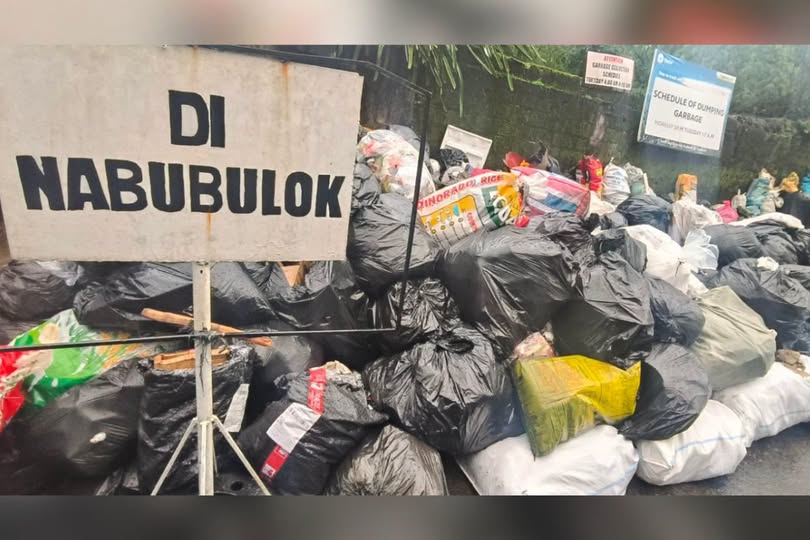
BAGUIO CITY – The Roman Catholic Church in Baguio has partnered with the city government to promote sustainable waste management and environmental responsibility through the “Pansa-nopen Tayo” circular economy program.
Mayor Benjamin Magalong said Friday that the partnership aims to encourage behavioral changes among residents by involving religious leaders and church communities in waste reduction, recycling, and other environmentally friendly practices.
“We really count on the clergy to help bring about the desired behavioral change that we need to realize the circular economy ideals, starting with managing our waste through sustainable means,” Magalong said.
The mayor emphasized that religious institutions play an important role not only in strengthening spiritual and moral values but also in promoting civic responsibility and environmental awareness.
The collaboration was formalized through a memorandum of agreement signed on October 16, with Bishop Rafael Cruz representing the Diocese of Baguio.
Under the agreement, the city government and the Diocese will work together to establish and improve Materials Recovery Facilities (MRFs) in churches, parish centers, schools, and other diocesan institutions.
The partnership will also provide training programs and orientations on proper waste segregation, recycling, composting, and sustainable waste management.
Environmental protection will be incorporated into homilies, religious education, parish activities, and diocesan campaigns to encourage greater participation among church members.
Parish-based environmental stewardship groups will also be organized to oversee and sustain the operations of waste recovery facilities.
Magalong said the initiative aligns with the city’s Pansa-nopen Tayo program and Laudato Si’, the Catholic Church’s teaching on environmental protection and care for the common home.
The mayor added that the city government is considering similar partnerships with other religious denominations to expand community participation in environmental programs.
Pansa-nopen Tayo promotes a circular economy by encouraging the recovery, reuse, and recycling of materials, including biodegradable waste, while creating potential livelihood opportunities and reducing the amount of garbage requiring disposal.
Through the partnership, the city government hopes to strengthen community involvement and establish long-term sustainable waste management practices across Baguio.