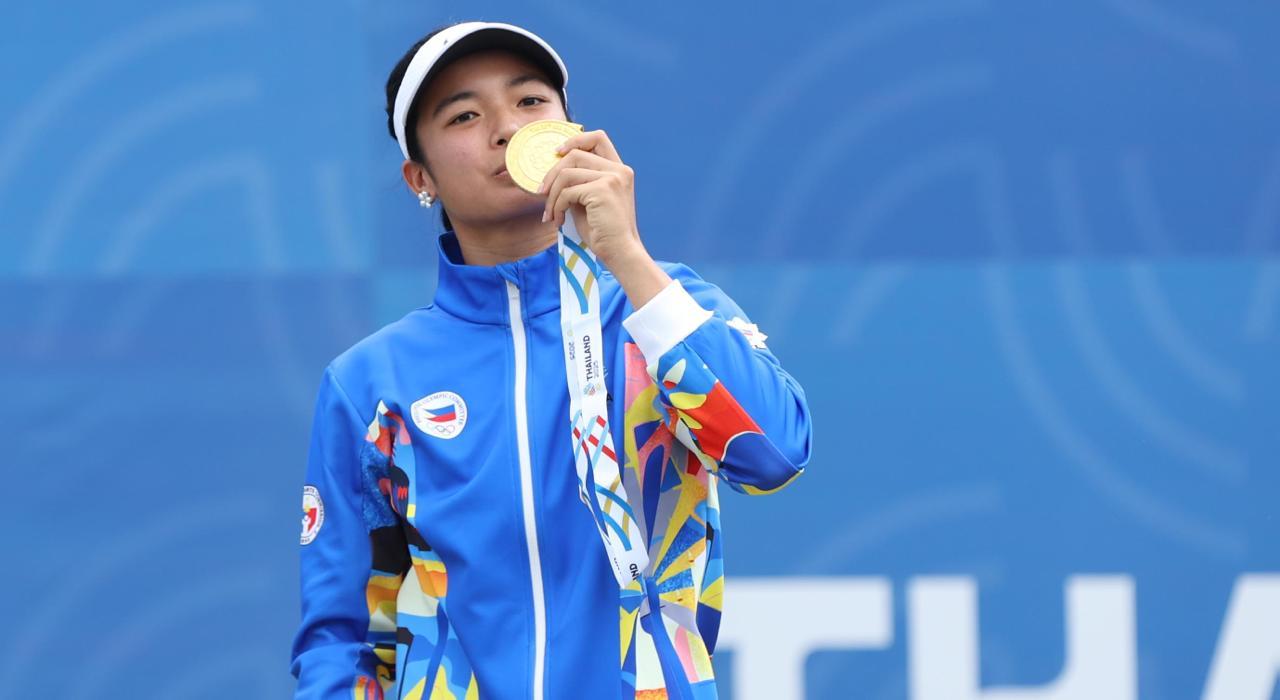
As the rise of Filipina tennis standout Alex Eala continues to capture public attention, her growing value now extends far beyond the tennis court. For a new wave of brands and investors, athletes like Eala represent more than endorsement opportunities—they signal where the future of the sports business is headed.
Eala’s emergence as one of the Philippines’ most promising athletes has made her a powerful example of how women’s sports are gaining commercial ground. Long before her profile surged internationally, major brands had already aligned themselves with her, seeing in her not just talent, but long-term market potential.
That early confidence is now being validated by a broader global trend: women’s sports are no longer being treated as a niche. They are increasingly being viewed as serious business.
Across the world, the economics of women’s sports are changing rapidly. Financial institutions and market analysts are now pointing to the sector as one of the fastest-growing segments of the sports industry, fueled by stronger fan engagement, rising sponsorship activity, and expanding media attention.
For companies, the logic is straightforward. Backing women athletes and leagues is becoming a strategic investment—one that offers brand visibility, access to younger and values-driven audiences, and stronger emotional connection with consumers.
That shift is also being driven by changing audience behavior. Today’s fans are not only watching games; they are paying closer attention to the brands that support the athletes and teams they admire. Sponsorships are no longer passive logo placements.
They have become part of a wider brand identity strategy, especially among companies looking to resonate with Gen Z and millennial consumers who increasingly value authenticity, inclusion, and purpose.
The opportunity is significant. The global sports economy is already valued in the trillions of dollars, and forecasts suggest it will keep expanding sharply over the rest of the decade. While women’s sports still account for only a small slice of that market, growth rates are telling a much bigger story.
Revenues in women’s sports have surged in recent years, crossing major milestones and outpacing many expectations. In some markets, sponsorship growth in women’s sports is now running faster than in men’s competitions, underscoring how quickly the segment is moving from underfunded to underestimated.
This is where the investment case becomes especially compelling. Women’s sports still have room to scale in ticketing, broadcast rights, merchandise, grassroots development, and digital community building. For investors and advertisers, that creates an opening to enter early in a space that is still shaping its long-term commercial model. In business terms, it is a rare combination: a fast-growing sector with relatively low historical saturation and strong cultural momentum.
But the promise of women’s sports is not without its constraints. Despite rising revenues and improving visibility, the sector continues to face structural hurdles, including limited long-term capital, weaker development systems, uneven infrastructure, and insufficient media exposure. In many cases, the problem is not demand but patience. Too many investors still expect quick returns from a category that requires sustained support to fully mature.
That is why the next chapter for women’s sports will likely depend on who is willing to think beyond short-term metrics. The brands that commit early, build authentic partnerships, and help create long-term ecosystems around women athletes may ultimately be the ones best positioned to benefit from the sector’s expansion.
For the Philippines, Alex Eala’s rise offers a glimpse of that future. She is not only an athlete carrying national hopes; she is also proof that women’s sports can command attention, attract capital, and shape a new kind of sports economy—one where smart money is beginning to follow talent that for too long was overlooked.