February is often associated with hearts, romance, and Valentine’s celebrations, but beyond symbolism, the heart remains one of the most vital organs sustaining everyday life.
As Filipinos mark the season of love, health advocates are urging the public to also show care where it matters most—by protecting their cardiovascular health early.
The message carries urgency. Cardiovascular disease continues to be the leading cause of death in the Philippines, with 40,532 cases recorded in 2025, accounting for 20 percent of total deaths nationwide. What makes this reality more alarming is that heart disease is no longer confined to older adults. Increasingly, younger Filipinos are being affected as modern lifestyles take a toll much earlier than expected.
Sedentary habits, poor dietary choices, prolonged screen time, and limited physical activity are placing added strain on the heart at a younger age. Stress, in particular, has emerged as a silent yet powerful contributor. During stressful periods, the body releases hormones that temporarily raise blood pressure by increasing heart rate and narrowing blood vessels.
While stress alone may not directly cause long-term hypertension, repeated blood pressure spikes—combined with stress-driven behaviors such as unhealthy eating, inactivity, smoking, or excessive caffeine and alcohol intake—can significantly raise the risk of heart attack and stroke over time.
Emotional stress also affects cardiovascular health in more subtle ways. Anxiety, depression, and social isolation can damage artery walls and complicate the management of existing heart conditions. Together with genetic predisposition and lifestyle factors, these pressures contribute to early cardiovascular strain and are closely linked to oxidative stress—a biological imbalance where free radicals overwhelm the body’s natural antioxidant defenses.
Common triggers include environmental toxins, smoking, excessive alcohol consumption, and chronic stress. When left unchecked, excess free radicals can damage cells, stiffen blood vessels, and impair circulation, placing added burden on the heart.
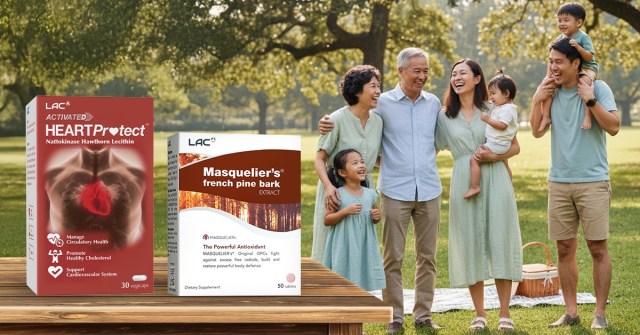
Antioxidants play a critical role in countering this process by neutralizing free radicals and helping protect blood vessels from oxidative damage. By supporting healthy circulation and vascular function, antioxidants contribute to long-term heart health. One scientifically backed source is LAC MASQUELIER, which contains original Oligomeric Proanthocyanidin Compounds or OPCs.
These potent antioxidants help combat oxidative stress while supporting blood vessel flexibility and efficient blood flow—key factors in maintaining cardiovascular wellness.
LAC MASQUELIER French Pine Bark Extract also supports blood vessel strength and elasticity, which are essential for the effective delivery of oxygen and nutrients to the heart and other vital organs. Its unique three-way action includes collagen support, helping maintain the structural integrity of blood vessels and connective tissues that naturally decline with age and prolonged free radical exposure.
For broader cardiovascular support, LAC Activated Heart Protect is formulated to address multiple heart health risk factors in adults aged 18 and above. Taken as one vegicap daily, it is designed to support everyday heart health as part of a balanced lifestyle. Endorsed by the Japan Nattokinase Association, the supplement contains 2000FU of Nattokinase, a fibrinolytic enzyme traditionally consumed in Japan to help support healthy blood flow and circulation.
The formula is complemented by lecithin, which supports healthy cholesterol levels, and hawthorn, an antioxidant-rich herb known for its benefits to heart and vascular function.
Heart disease often develops quietly, with symptoms appearing only in later stages. This makes early, proactive care essential. Alongside regular physical activity, balanced nutrition, stress management, and adequate sleep, antioxidant and heart-supporting supplements can play a role in protecting long-term cardiovascular health.
By making informed choices today, Filipinos can support not just a longer life, but a healthier, more active, and more connected one—ensuring the heart remains strong well beyond Valentine’s season.