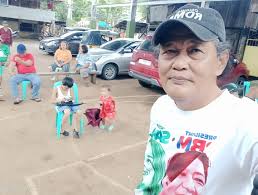

BISLIG CITY, PHILIPPINES — A seasoned radio commentator known for his fearless coverage of local issues was shot and killed on Monday, July 21, in Bislig City, further fueling concerns over press safety in the Philippines—one of the world’s most perilous places for journalists.
Erwin Segovia, 63, had just finished his morning program on Radio WOW when gunmen aboard a motorcycle opened fire as he exited the station. He died on the spot.
Segovia was known for tackling sensitive topics, including corruption, governance lapses, and public service issues. His show had earned him both loyal listeners and powerful critics. Authorities say the motive behind his murder remains under investigation, and no suspects have been apprehended.
Witnesses reported seeing two unidentified men fleeing the scene on a motorcycle, a modus operandi chillingly familiar in journalist killings across the country.
“This wasn’t just an attack on Erwin Segovia. It was an attack on press freedom,” said a statement from the Presidential Task Force on Media Security. “His voice represented the concerns of the voiceless, and silencing him sends a dangerous message.”
Segovia’s killing comes just weeks after the fatal shooting of former radio host Ali Macalintal in another part of Mindanao—a case officials are still probing, suspecting it may be linked to his past work in journalism.
According to the Committee to Protect Journalists (CPJ), at least 147 journalists have been killed in the Philippines between 1998 and 2024, most of them outside major cities. Reporters in rural areas, often working without the protection or reach of large media organizations, are especially vulnerable.
“These journalists don’t just read the news—they live it. They take risks to expose truths that others want buried,” said Jose Torres Jr., executive director of the task force.
The culture of impunity surrounding these attacks remains deeply rooted. Convictions are rare, and many cases fade from the headlines without resolution.
One of the most horrifying incidents occurred in 2009, when 58 people—32 of them media workers—were slaughtered in the Maguindanao massacre, the deadliest attack on journalists in history. Key perpetrators were convicted only a decade later.
As press groups and human rights advocates call for swift justice in Segovia’s case, many worry that the cycle of violence and inaction continues unchecked.
“Until killers are caught and punished swiftly,” one local journalist told us anonymously, “we’re all just waiting for our turn.”