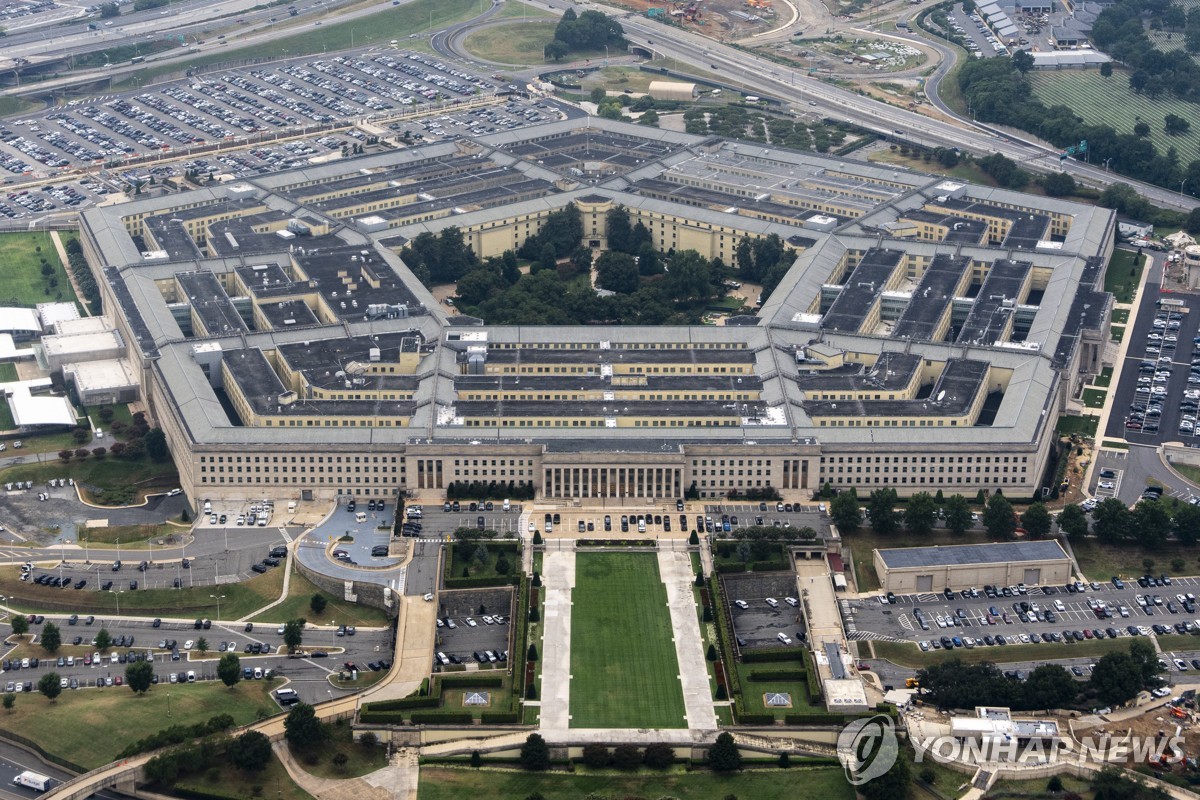
U.S. President Donald Trump’s administration has notified South Korea of its decision to abolish a development cost waiver for certain U.S. arms purchases, multiple sources have said, a move bound to raise the financial burden on the Asian ally that has committed to buying more U.S. weapons.
It told the Seoul government in August that it will end the waiver of “non-recurring” costs (NCs) — one-time expenses associated with the research, development or production of certain defense equipment, according to the informed sources.
The United States’ Arms Export Control Act requires the Pentagon to recover NCs for certain weapons sold through the government-to-government Foreign Military Sales (FMS) program, as the U.S. government covers the costs with taxpayer money to develop or produce weapons, particularly for the U.S. military.
The law permits the costs to be waived in certain cases, such as advancing U.S. interests in standardizing equipment with allies, like South Korea, Japan, Australia, New Zealand or Israel, and avoiding a situation in which the charge would result in the loss of the weapons sale.
In past FMS cases, South Korea was granted the NC waiver. But the abolition would increase the cost South Korea has to pay to import U.S. weapons at a time when it has committed to spending US$25 billion on U.S. military equipment purchases by 2030.
Sources said that Japan, Australia and other countries are also known to have been notified of the waiver abolition.
The Pentagon did not comment when asked by Yonhap News Agency to confirm the suspension of the waiver.
The Trump administration has been implementing its “America First” policy, doubling down on its agenda for “fair” and “reciprocal” trade with a pledge to be a good steward of taxpayer money.