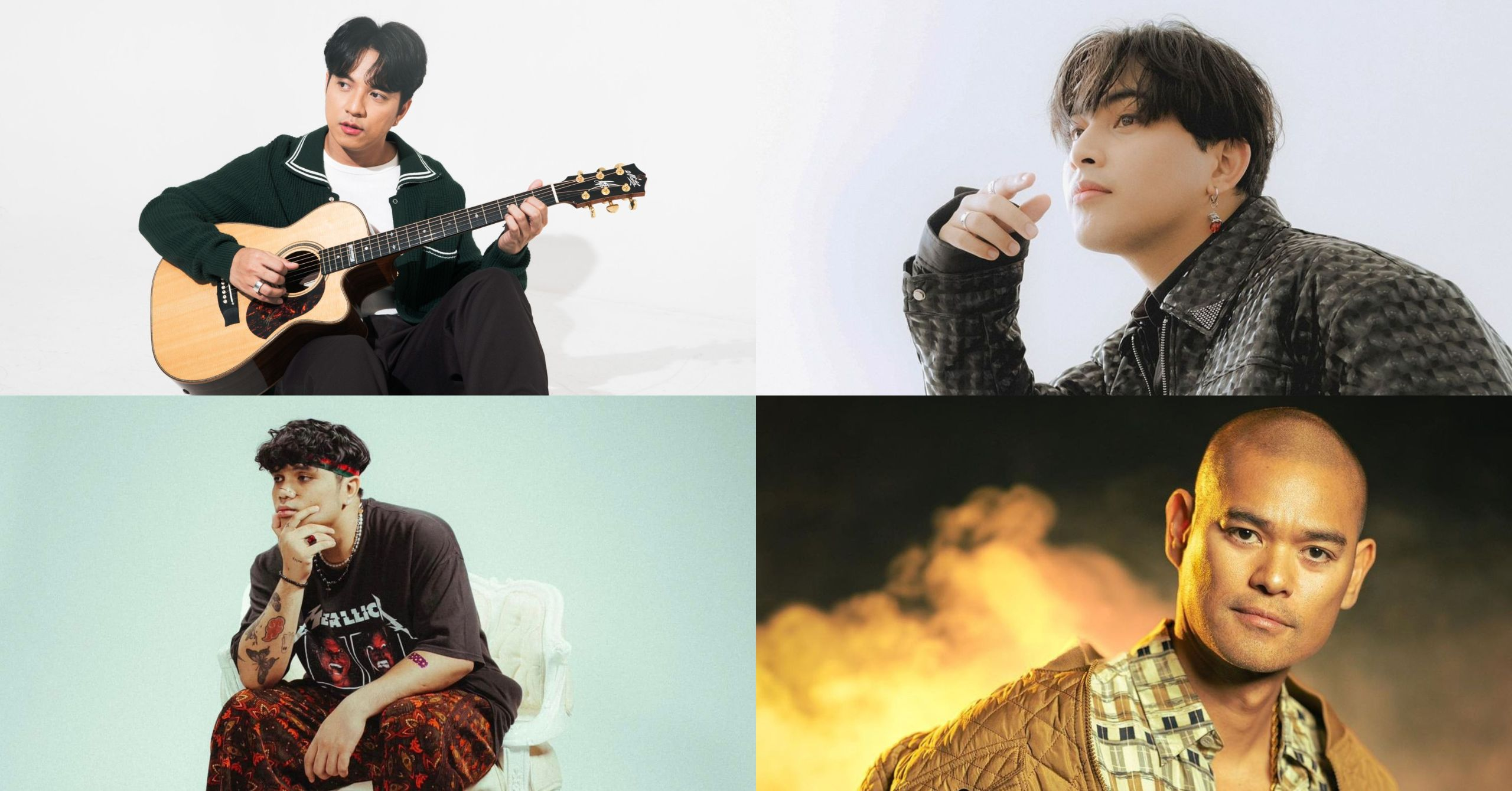

(Image courtesy of Billboard Philippines)
A quiet revolution is unfolding in the Filipino concert scene across the United States. While veteran artists from the Philippines once ruled the stage and sold out shows effortlessly, today’s promoters are facing a surprising twist: dwindling ticket sales for big-name acts and overwhelming demand for lesser-known, younger talents.
Gone are the days when Filipino-American audiences would flock to see the same set of familiar faces. Now, names like TJ Monterde, Dionela, and Elias J. Tv. — once considered up-and-comers back home — are headlining shows with packed venues and buzzing fanbases.
From local acts to global demand
In March 2025, TJ Monterde’s U.S. concert tour drew in impressive crowds, signaling a shift in who fans are eager to see live. His heartfelt acoustic style and modern songwriting clearly resonated with the younger diaspora, many of whom first discovered his music through platforms like TikTok and YouTube.
Dionela, whose viral hit “Marilag” captured hearts across the internet, has also become a top-selling act in Filipino-American communities. Her upcoming shows in major U.S. cities are selling out fast, indicating not just hype, but a solid demand that rivals — and in some cases, exceeds — that of her more established peers.
Then there’s Elias J. Tv., a breakout digital sensation with over six million Facebook followers. Known for his engaging content and emotional performances, Elias has quickly transformed from a grassroots favorite into a concert headliner. His upcoming U.S. tour this September is generating significant buzz, particularly among working-class Filipino-Americans who see him as a voice of their generation.
The power of social media and cultural relevance
This new wave of artists owes much of their U.S. success to social media. Platforms like Facebook, TikTok, and YouTube have flattened the playing field, allowing emerging talents to build organic audiences without the backing of major networks or media outlets. These digital connections are translating into real-world demand, especially in areas with large overseas Filipino populations.
Meanwhile, legacy acts are facing mounting challenges. Promoters cite several factors contributing to their decline: inflated talent fees, large entourages that strain logistics budgets, and a general sense of fatigue from fans who’ve seen the same performances over and over. Many longtime supporters have also aged out of the concert scene, now prioritizing family or work over nostalgic entertainment.
A generational shift in sound and appeal
What’s happening is more than just a passing trend — it’s a generational handover. Younger audiences want music that speaks to their current experiences, aesthetics, and emotions. In TJ, Dionela, and Elias, they see artists who reflect their identity and offer fresh sounds beyond the recycled ballads of yesteryear.
For U.S.-based concert organizers, the message is clear: adapt or get left behind. The Filipino music audience is evolving, and the spotlight is moving toward a new era of talent — one powered not by legacy, but by authenticity, relatability, and digital reach.
Bottom line? The future of Filipino concerts in the U.S. no longer belongs to the stars of the past — it’s being rewritten by the stars of tomorrow.