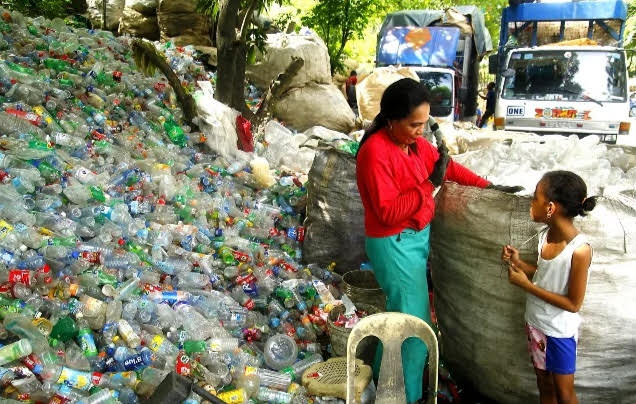

As the latest studies indicate, the Philippines remains a major contributor to global plastic pollution, with significant ocean leakage due to single-use plastics and insufficient waste management, senior leaders from government and the private sector have signaled a renewed push to curb plastic pollution and accelerate the country’s shift toward a circular economy.
Despite strong government and multi-sectoral efforts that include the National Plastic Action Partnership (NPAP) and Department of Environment and Natural Resources (DENR) to implement policies like Extended Producer Responsibility (EPR) and promote circular economy solutions, including innovative tech and community programs, though enforcement and infrastructure gaps persist.
To initiate a positive start, leaders from the government, international development agencies, multinational companies and civil society in coordination with the NPAP’s Steering Board have met to chart its next phase of action this 2026.
The meeting brought together representatives from government, industry, academe and development partners at a pivotal moment for NPAP Philippines, a multi-stakeholder platform designed to align national policy, private-sector investment, and community-level implementation. Members reviewed progress on initiatives aimed at reducing plastic leakage while supporting inclusive economic transition, an issue with growing regional and global implications.
Central to the meetings discussion was the NPAP Road Map that is now undergoing refinement following a public consultation process that gathered inputs from stakeholders across the plastics value chain. Updates were also presented on the partnership’s Gender Equality and Social Inclusion (GESI) assessment and the work of technical groups focused on flexible plastic recycling and upstream interventions such as reduction, reuse and substitution.
The NPAP Steering Board emphasized the importance of stronger coordination between national policy frameworks and local government implementation, particularly in waste collection systems, the integration of waste workers and community-led innovation.
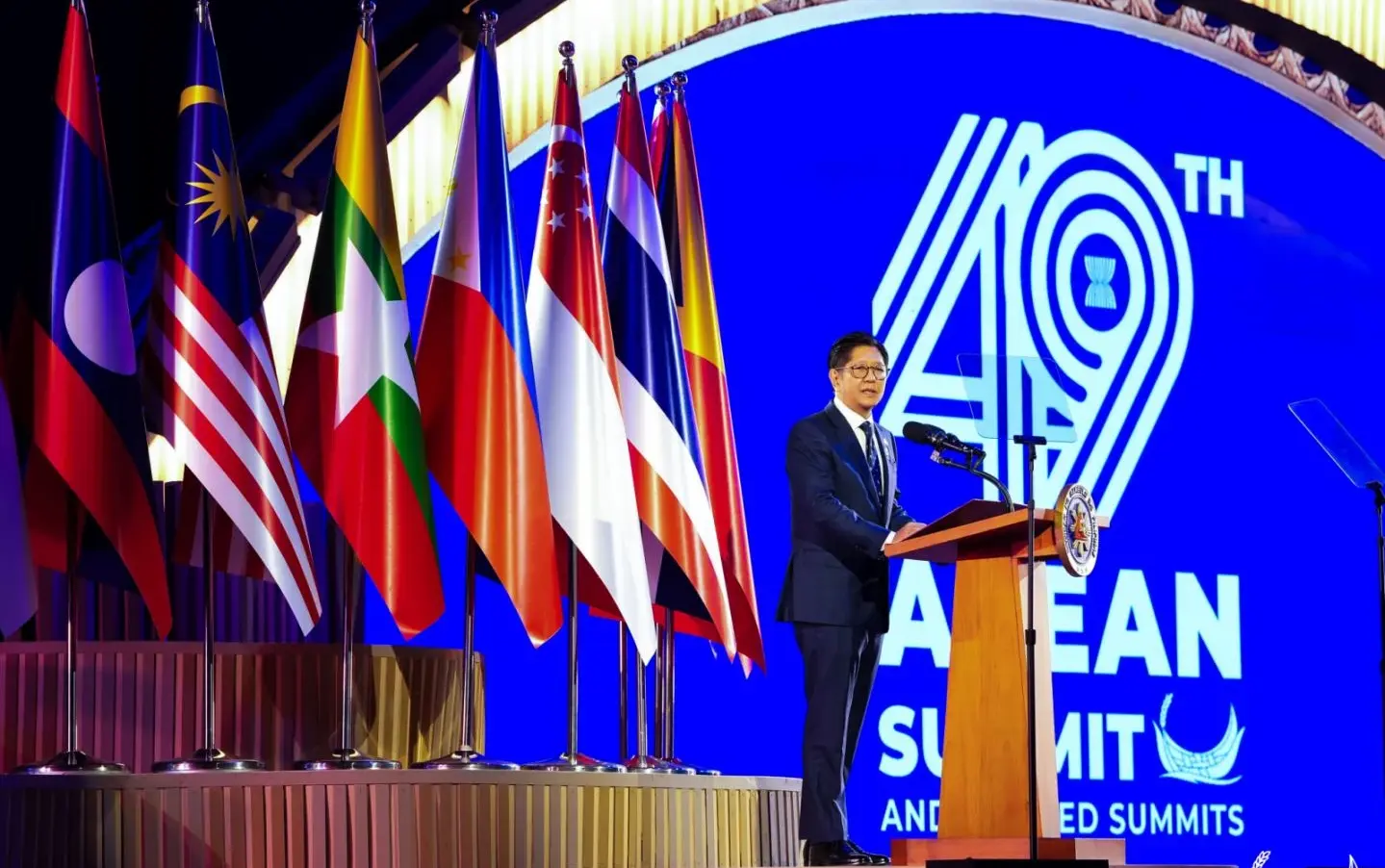
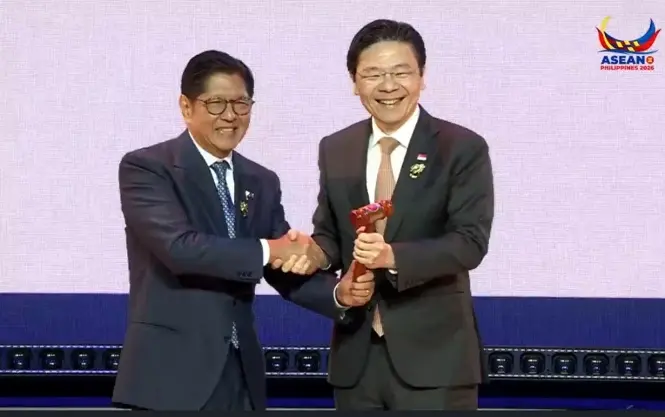
Participants noted that the NPAP platform plays a critical role in fostering policy coherence, generating evidence-based solutions and ensuring that environmental goals are aligned with social and economic realities. They also highlighted the relevance of these efforts to the Philippines’ upcoming ASEAN Chairmanship in 2026, pointing to opportunities for the country to elevate regional cooperation on circular economy initiatives.
“Our work here has implications beyond our sector as well as beyond our borders. The Philippines is actively participating in ASEAN regional dialogues and in the global negotiations towards an international legally binding instrument on plastic pollution. Through the NPAP, we can demonstrate our coordinated, multi-sectoral approach, and translate global commitments into national action and meaningful local impact,” environment secretary Raphael Lotilla, who currently chairs the Steering Board, pointed out.
For his part, United Nations Development Program (UNDP) Philippines deputy resident representative Edwine Carrie underscored the importance of ensuring a just transition, particularly for communities whose livelihoods depend on plastics.
“Eliminating or reducing plastic pollution is an environmental imperative. It’s also a strong economic incentive, which comes with very strong collateral health benefits. From the standpoint of UNDP, we see the role of NPAP as important in the issue of just transition—the recognition that plastics still plays a prominent role in the livelihoods of many vulnerable sectors in the Philippines,” Carrie asserted.
He added that while phasing out plastics may cause short-term disruption, it is essential that solutions focus on helping affected communities at the local level as the country moves toward a more sustainable future.
In closing the meeting, Coca-Cola Philippines President Antonio Del Rosario called for stronger collective ownership of national priorities across sectors.
“We must rally around the National Plastic Action Roadmap. Its success depends on collective ownership, alignment, and commitment from all sectors to move as one, not in silos,” Del Rosario stressed while noting that the private sector has a key role to play through upstream innovation, investments in collection and recycling and the creation of markets for secondary materials.
“The future we want is one where sustainability and equity go hand in hand,” he concluded.