
The Philippine government is strengthening its response to climate-related loss and damage through a coordinated national strategy aimed at protecting vulnerable communities, livelihoods and development gains from the worsening impacts of climate change.
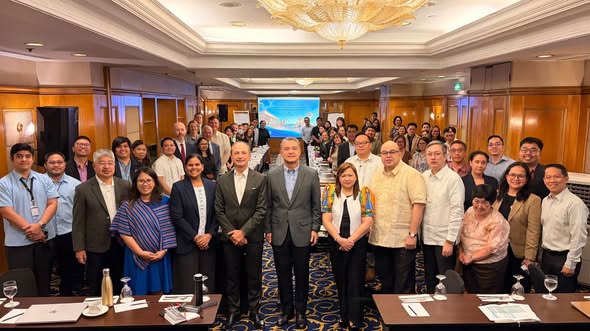
The Department of Environment and Natural Resources (DENR) and the Climate Change Commission (CCC), in partnership with the United Nations Development Programme (UNDP), convened the inaugural meeting of the Development Partners Coordination Group on Climate-related Loss and Damage (L&D-DPCG).
The initiative brings together government agencies, international development organizations, United Nations agencies, and bilateral and multilateral partners to improve coordination in addressing the economic and non-economic impacts of climate change.
The coordination group aims to align technical assistance, financing mechanisms, capacity-building initiatives and institutional support with the Philippines’ national climate priorities.
A major component of the initiative is the development of a national Climate-related Loss and Damage Framework and Strategy, which will guide government agencies and development partners in implementing coordinated responses to climate-related disasters and long-term environmental changes.
The proposed framework is expected to strengthen access to climate financing, improve knowledge and data management systems, and help ensure that assistance reaches communities most vulnerable to climate-related impacts.
DENR Secretary Mitch Cuna emphasized that climate-related loss and damage extends beyond environmental concerns and poses significant challenges to national development.
According to Cuna, the impacts of climate change can reverse years of development progress, worsen poverty and inequality, and cause substantial losses affecting livelihoods, ecosystems, cultural heritage and community relationships.
The DENR underscored the importance of addressing both economic losses, such as damage to infrastructure and agricultural production, and non-economic losses, including displacement, environmental degradation and the erosion of cultural heritage.
Through the L&D-DPCG, the government and its development partners will establish dedicated workstreams focusing on policy development, financing solutions, local implementation and institutional strengthening.
These efforts are intended to improve the country’s capacity to respond to climate-related impacts while strengthening coordination among national agencies, local government units and international partners.
The initiative also seeks to translate international climate commitments into practical programs that provide direct assistance to communities experiencing the effects of extreme weather events and other climate-related hazards.
As a country highly exposed to typhoons, flooding, rising sea levels and other climate risks, the Philippines continues to pursue measures aimed at strengthening resilience and reducing the long-term consequences of climate change.
The DENR said the coordinated approach reflects the government’s commitment to ensuring that climate-related loss and damage is addressed through nationally led policies supported by international cooperation.
The initiative forms part of broader efforts to protect vulnerable populations, safeguard economic development and strengthen the country’s capacity to manage the growing impacts of climate change.