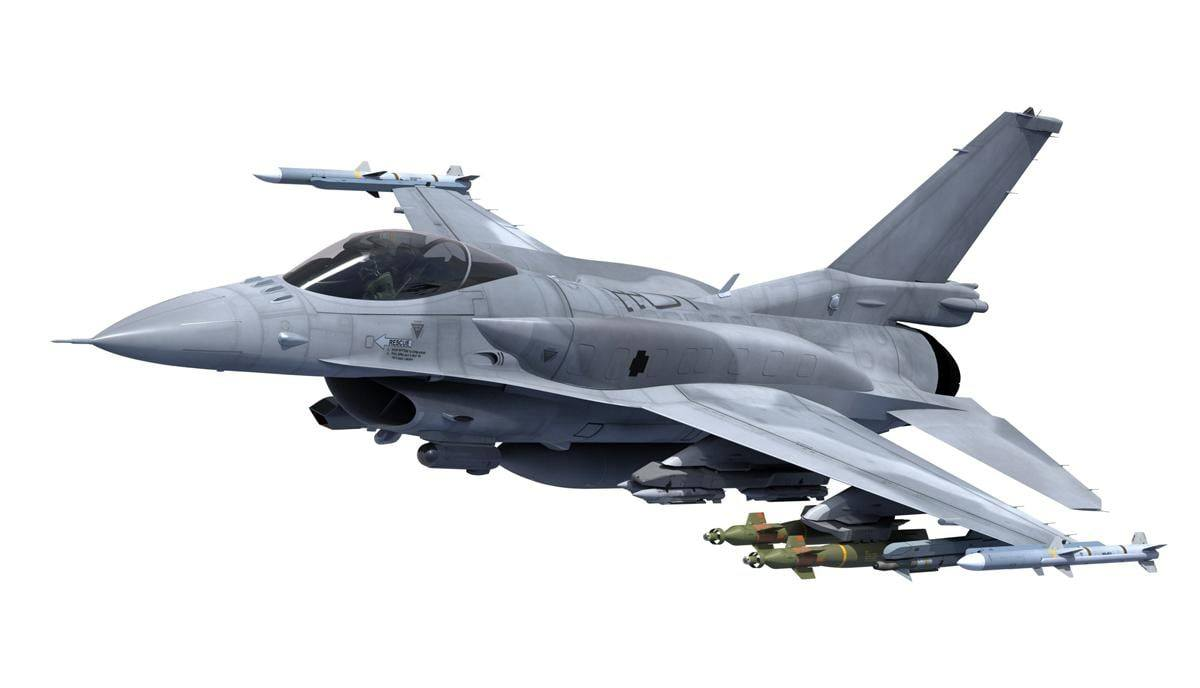

The Philippine government is not closing the door on a potential multibillion-dollar deal to acquire 20 advanced fighter jets from the United States, even as fiscal realities temper expectations for an immediate purchase.
Philippine Ambassador to the United States Jose Manuel Romualdez confirmed that Manila remains open to procuring 20 Lockheed Martin F-16 Fighting Falcon aircraft, though he acknowledged the financial challenges involved. Romualdez made the statement at the US-Philippine Society’s annual board of directors meeting on February 10 at The Peninsula Manila.
“We’re keeping the door open, but it will require some creative and innovative approaches to make this possible,” he said.
The proposed acquisition covers 16 F-16C Block 70/72 jets and four F-16D Block 70/72 twin-seat variants—aircraft considered among the most advanced versions of the Fighting Falcon platform.
The Philippine government had earlier submitted a formal letter of intent to pursue the purchase as part of its long-term Armed Forces modernization program.
In April last year, the U.S. State Department approved a potential foreign military sale of the 20 jets, with an estimated value of $5.58 billion. The approval marked a significant milestone in deepening defense cooperation between Manila and Washington, particularly amid heightened regional security tensions.
However, by September, Romualdez disclosed that plans to move forward were temporarily paused due to budget constraints, underscoring the scale of the financial commitment required for both acquisition and lifecycle sustainment.
Defense financing dynamics may yet influence the outcome. The Philippines is slated to receive at least $2.5 billion in defense support from 2026 to 2030 following the U.S. Senate’s approval of a new Foreign Military Financing (FMF) package last December.
While the funding signals Washington’s continued strategic backing, Romualdez clarified that much of the allocation is expected to prioritize ground-based air defense systems, maritime security assets, and cybersecurity capabilities.
For now, the F-16 procurement remains under discussion, contingent on structuring a funding arrangement that aligns with Manila’s fiscal space and modernization priorities.
The ambassador’s remarks suggest that while the fighter jet deal is not imminent, it remains firmly within the realm of possibility as both countries explore flexible financing mechanisms and phased acquisition strategies.
The prospect of adding a modern multirole fighter fleet would represent a major leap for the Philippine Air Force, significantly enhancing air defense, interoperability with U.S. forces, and overall deterrence posture in the Indo-Pacific region.
Whether the envisioned squadron ultimately takes flight will depend on how creatively both sides can navigate the intersection of strategy and budget.