
The Philippines is reframing its agricultural engagement with Japan from a narrow push for tariff relief into a broader food systems partnership that spans market access, logistics, seed protection, and postharvest modernization, signaling a longer-term strategy to lift farm incomes and stabilize supply.
At the center of the renewed talks is the Department of Agriculture Department of Agriculture, which has proposed fresh openings for Philippine pomelos and faster approval pathways for Japanese grape varieties, alongside updated sanitary and phytosanitary protocols for mangoes, papaya, and poultry sourced from avian flu-free areas.
The discussions reflect a shift toward reciprocal trade facilitation rather than single-commodity concessions.
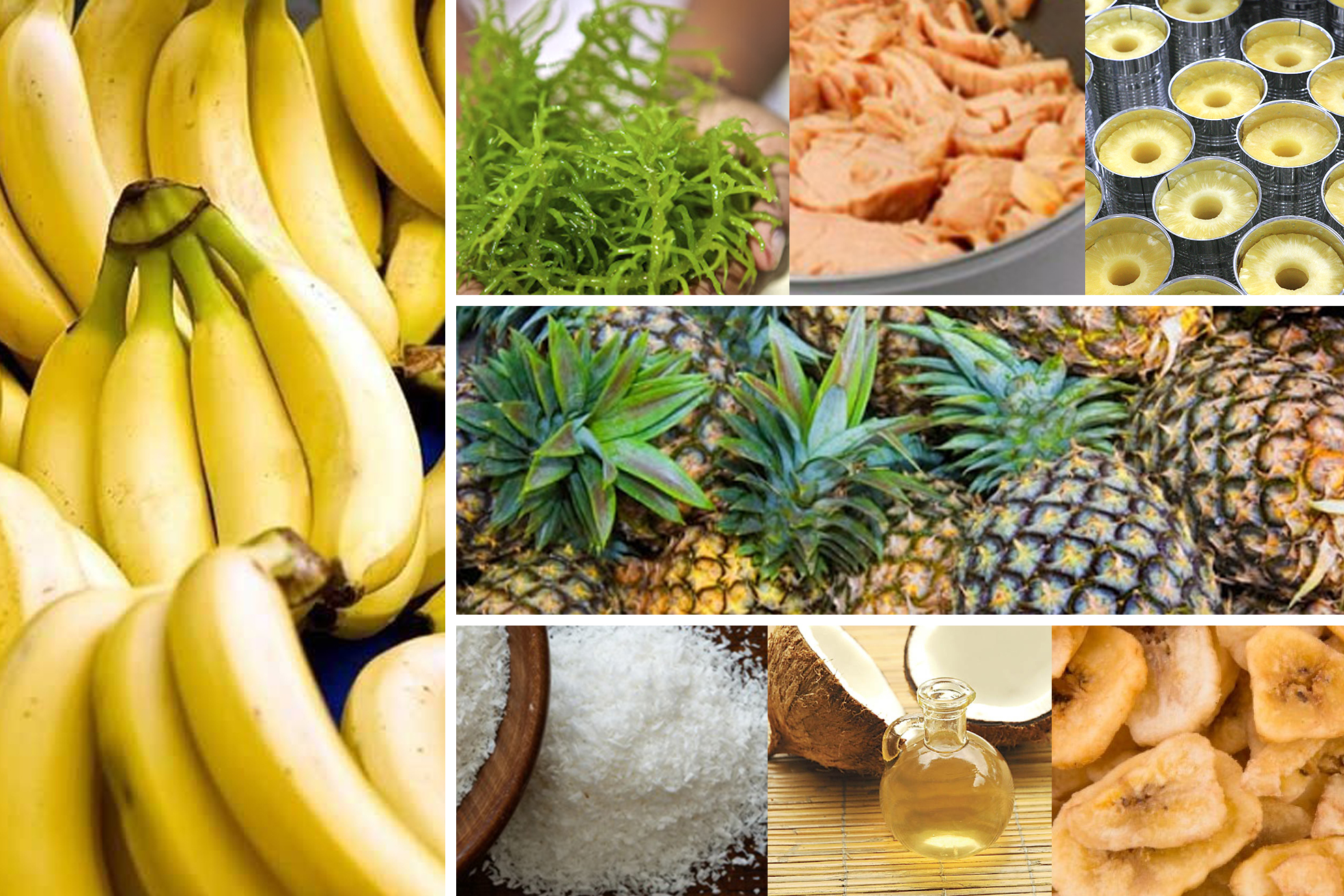
Agriculture Secretary Francisco Tiu Laurel Jr. has also revived negotiations to soften Japan’s seasonal tariffs on Philippine bananas, which currently fluctuate sharply between summer and winter.
While Manila continues to seek interim tariff cuts of 5 to 8 percent, officials are positioning full tariff elimination as a structural outcome once the Philippines accedes to the Comprehensive and Progressive Agreement for Trans-Pacific Partnership Comprehensive and Progressive Agreement for Trans-Pacific Partnership.
The government filed its application to join the pact in August last year, viewing it as the clearest route to zero-duty access for banana exports to Japan.
Beyond trade, the talks have widened to include seed governance and varietal protection. The Philippines is working to align its seed storage and regulatory framework with the standards of the International Union for the Protection of New Varieties of Plants, a move officials say will help unlock higher-value crop exchanges and research collaboration with Japan.
The evolving agenda comes as the two countries prepare to mark 70 years of diplomatic normalization, a milestone Manila hopes to use to formalize cooperation beyond crops.
The Philippines has proposed expanding an existing memorandum of cooperation to cover fisheries, aiming to draw on Japan’s expertise in small-scale fisheries modernization and cold-chain management. Officials are optimistic that a broader agreement can be signed within the year.
On the infrastructure front, Japan has extended grant aid to upgrade rice processing facilities of the National Food Authority National Food Authority in Cauayan City, Isabela. The grant agreement is set for signing in February 2026, with immediate implementation planned.
Once operational, the facility is expected to improve milling quality, cut postharvest losses, and support year-round buffer stocking through new grain dryers, a higher-capacity rice mill, and large-scale silos.
Manila has also tapped the Japan International Cooperation Agency Japan International Cooperation Agency for support in building integrated food logistics hubs, conducting a nationwide study on basic commodity distribution, rehabilitating Magat Dam, and expanding market-driven vegetable value chain projects.
These initiatives underscore a policy pivot toward reducing logistics bottlenecks that inflate food prices and erode farmer margins.
For Philippine officials, the recalibrated engagement reflects an understanding that competitiveness hinges as much on systems and standards as on tariffs. By anchoring trade talks within a wider framework of technology transfer, logistics, and food security, Manila is betting that deeper integration with Japan can deliver more durable gains for agriculture than tariff cuts alone.