The Civil Aviation Authority of the Philippines (CAAP) has placed all its area centers and airport operations nationwide on a heightened alert status in anticipation of the impending entry of Severe Tropical Storm Fung-wong into the Philippine Area of Responsibility (PAR). The precautionary measure aims to minimize disruptions and ensure the safety of air travelers as the country faces another major weather disturbance.
CAAP Director General Raul Del Rosario issued the directive on Friday, specifically instructing all airport managers, particularly those in areas identified to be along the storm’s projected path, to immediately activate their comprehensive emergency preparedness and response plans. This mobilization is a critical step in securing airport facilities and coordinating operational responses for the approaching cyclone.
The decision to elevate the alert level comes as the Philippines is still in the process of recovery from the widespread devastation wrought by the recently departed Typhoon Tino. Typhoon Tino caused significant damage across the Visayas and Mindanao regions, claiming hundreds of lives and resulting in the displacement of thousands of residents, emphasizing the need for robust preparation against the incoming threat.
CAAP is actively coordinating with various stakeholders to ensure seamless operations despite the looming threat. The agency is working closely with airlines, local government units (LGUs), and disaster response teams to establish clear protocols for managing potential emergencies, including the need for flight diversions or total airport shutdowns, should the storm’s impact prove severe.
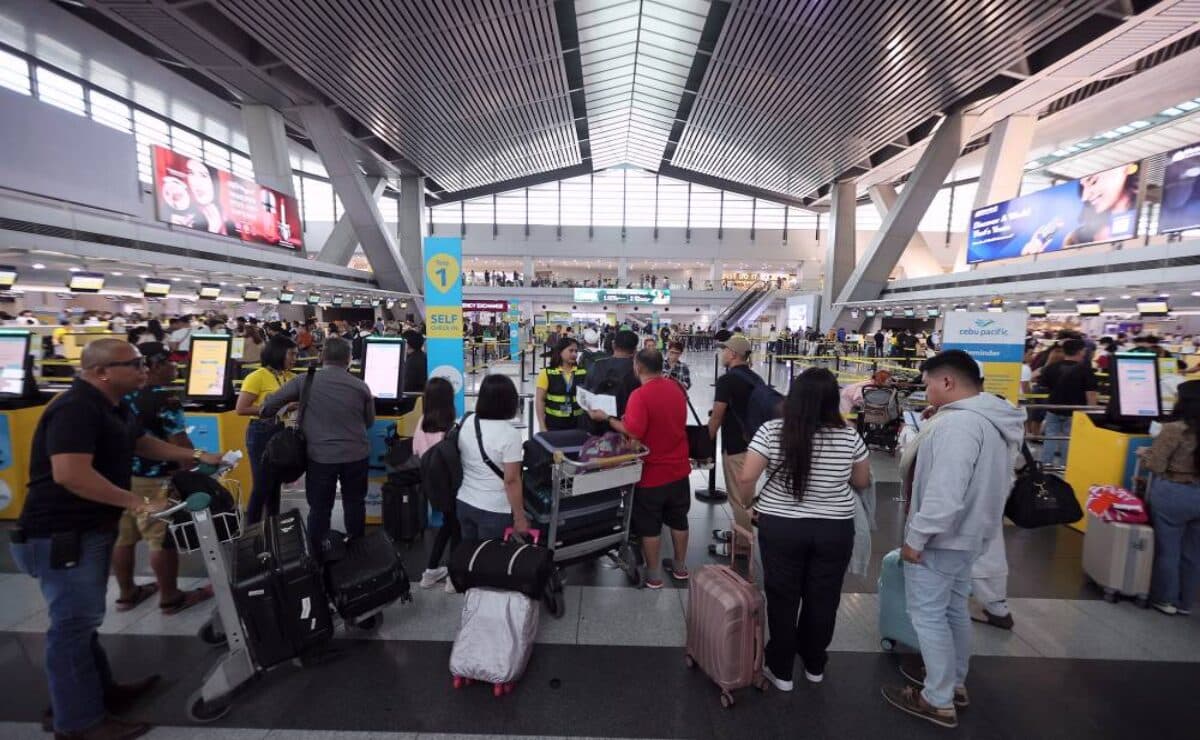
Airlines have already begun to announce preemptive adjustments to their schedules. For instance, Cebu Pacific has officially announced the cancellation of its Bicol flights, specifically mentioning flights 5J321 and 5J322. These cancellations are intended to ensure the safety of both passengers and crew.
Affected passengers are being advised by the airlines of their options, which generally include the ability to rebook or refund their tickets without incurring any additional fees. These flexible policies are standard practice during major weather disturbances to allow travelers to adjust their plans safely and minimize the chaos often associated with flight cancellations.
Travelers intending to fly in the coming days are strongly urged to continuously monitor flight advisories issued by their respective airlines and CAAP. Furthermore, passengers are advised to arrive early at airports, as the unpredictable nature of the weather disturbance may necessitate sudden changes to flight schedules and procedures, requiring extra time for processing and coordination.