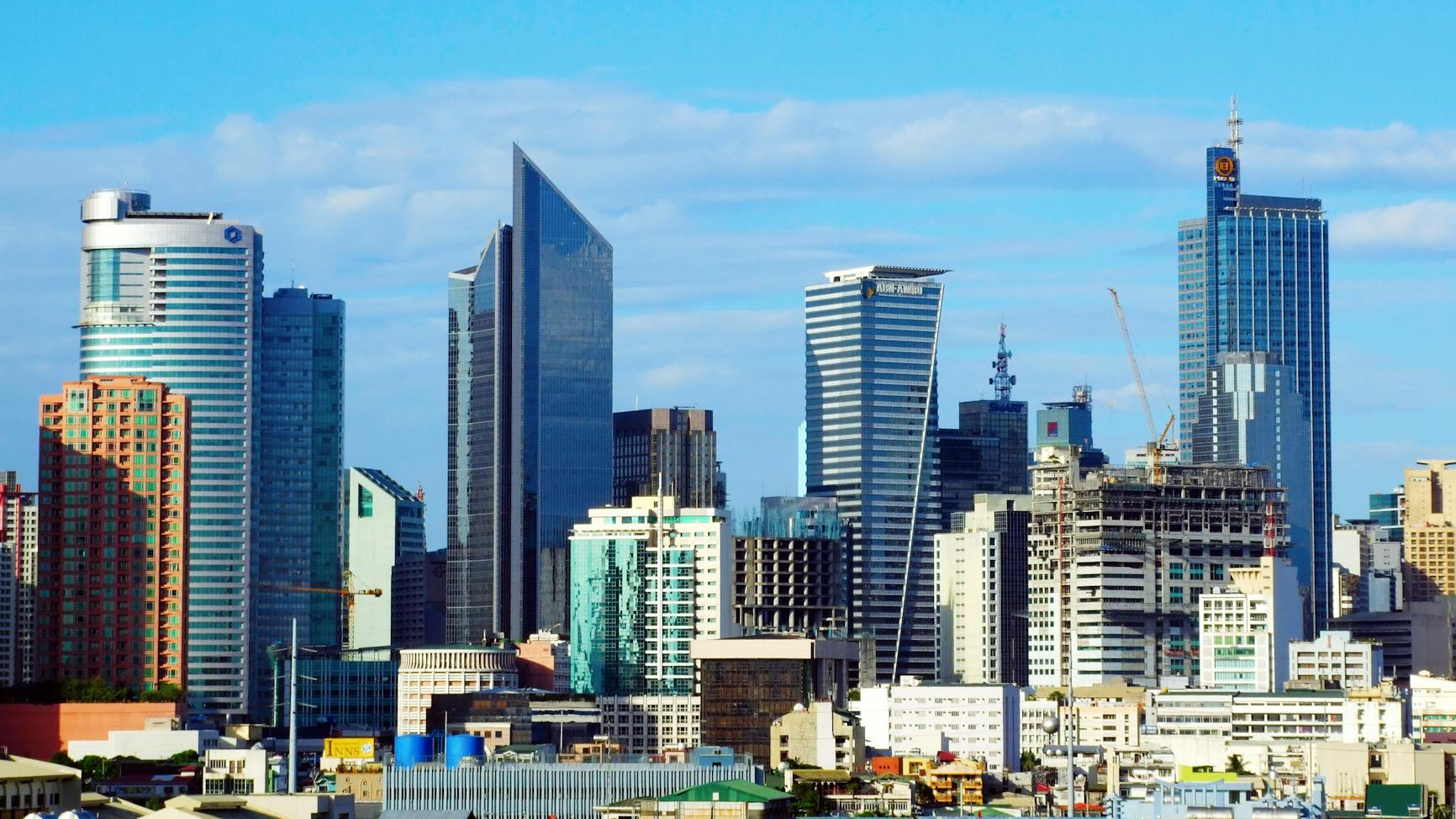
Metro Manila’s condominium market is facing a 34-month oversupply, as developers slash prices to offload unsold units, raising questions about the long-term stability of the sector.
As of November, the oversupply has reached 34 months, up from 29 months in the third quarter, according to Leechiu Property Consultants (LPC). The surplus is partly due to 6,000 “backouts”—buyers who backed out of their purchases—despite 4,000 new units being sold.
This surplus has led to what experts are calling a “silent fire sale,” with significant discounts offered to preferred clients, repeat buyers, and bulk purchasers. Developers are discreetly lowering prices to avoid creating market instability. LPC’s October report revealed 67,600 unsold condo units across 510 buildings, the highest level since the pandemic. By November, the unsold inventory had ballooned to P154 billion ($2.6 billion).
The glut stems from overbuilding during a boom period when developers anticipated continued strong demand in Metro Manila. However, the COVID-19 pandemic, the shutdown of offshore gaming operations, and rising interest rates have since slowed sales.
Prices, which have more than doubled over the past decade, have compounded the problem. For instance, the price of a standard one-bedroom condo (22 to 30 square meters) has surged from P2.4 to P3 million to around P6 million today.
For potential buyers, it could be a good time to purchase, especially for those looking for a personal residence. Experts suggest buying now and holding for at least three years to see how the market stabilizes. While some developers are offering steep discounts, the larger players in the market may hold firm, relying on extended payment terms to clear out existing stock.
The glut is further aggravated by high interest rates. The Bangko Sentral ng Pilipinas raised its benchmark rate to 6.5% in late 2023, before lowering it to 6% in October 2024. Despite this reduction, many buyers remain cautious. Still, developers are hopeful that interest rate cuts will revive demand, particularly in the mid-market and affordable housing segments.
Meanwhile, the weakened peso could drive interest from overseas Filipino workers (OFWs), who may view the condo market as a prime investment or home-buying opportunity. Additionally, Philippine law allows foreigners to own 100% of condominium units, further opening the market to international buyers.