
(Photo courtesy of PIA)
BUTUAN CITY, Philippines – The Department of Health (DOH) has emphasized the importance of treating drug addiction as a medical condition rather than a basis for discrimination, urging families and communities to support individuals struggling with substance dependence.
Dr. Romulo Ybiernas, medical specialist II at the DOH Drug Treatment and Rehabilitation Center (DATRC) in Surigao City, said early intervention, proper medical care, rehabilitation, and sustained community support are essential to helping individuals recover and rebuild their lives.
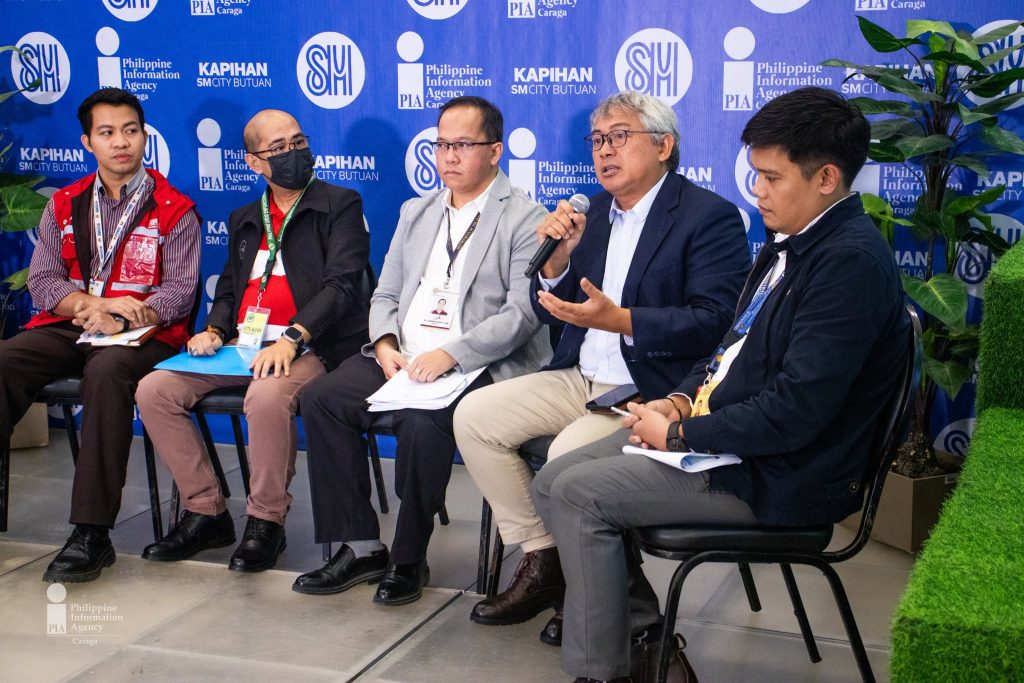
Speaking during the Kapihan sa PIA forum at SM City Butuan on November 18, in observance of Drug Abuse Prevention and Control Week, Ybiernas warned that prolonged use of illegal substances, particularly methamphetamine or shabu, can severely affect brain function, mental health, and decision-making abilities.
He explained that substance dependence can also damage family relationships, disrupt employment, and reduce an individual’s ability to contribute productively to society.
Ybiernas stressed that effective rehabilitation requires a comprehensive and individualized approach that addresses not only physical dependence but also psychological, emotional, social, and spiritual needs.
For patients undergoing inpatient rehabilitation, treatment includes close monitoring of their mental health, medical management, psychosocial interventions, and programs supporting their overall well-being.
The DOH-DATRC also offers outpatient rehabilitation, aftercare services, and technical assistance to help persons who use drugs (PWUDs) maintain their recovery and successfully reintegrate into their families and communities.
Ybiernas encouraged families to seek professional assistance at the earliest signs of substance dependence instead of isolating or discriminating against affected individuals.
He emphasized that timely medical intervention, family involvement, and continuous community support can improve recovery outcomes and reduce the risk of relapse.
The initiative forms part of the Marcos administration’s health-centered, whole-of-nation approach to addressing illegal drugs through prevention, law enforcement, treatment, rehabilitation, and community-based interventions.
The DOH said providing access to appropriate healthcare and rehabilitation services is essential to protecting public health, strengthening families, and helping individuals regain their productivity.
Ybiernas underscored that rehabilitation goes beyond ending drug use, as it also involves restoring self-confidence, rebuilding relationships, and developing the skills needed to maintain a healthy and productive lifestyle.
The DOH-DATRC urged communities to help reduce the stigma surrounding drug dependence and encourage individuals to seek professional treatment.
The agency maintained that sustained recovery requires cooperation among healthcare providers, families, local governments, and communities to ensure that individuals recovering from substance use receive the support needed to rebuild their lives.