
(Photo courtesy of PIA)
TACLOBAN CITY, Philippines – The provincial government of Leyte is seeking to establish permanent pandemic response protocols and a faster feedback mechanism to strengthen its preparedness for future public health emergencies.
The proposal comes more than three years after the lifting of the COVID-19 global public health emergency, as local officials seek to institutionalize lessons learned during the pandemic and improve the province’s response to emerging health threats.
Leyte Board Member Carlo Loreto, chair of the Provincial Board’s Committee on Disaster Risk Reduction and Management, said the province needs a comprehensive pandemic response code that would establish permanent but adaptable guidelines for managing health emergencies.
Loreto emphasized the importance of improving communication and feedback systems to allow authorities to adjust policies and respond more quickly to changing conditions.
The proposal follows a commissioned study examining Leyte’s COVID-19 response, including how provincial policies, health protocols, and government interventions evolved throughout the crisis.
The study used the Panarchy model, a framework applied in resilience studies and urban planning to assess how systems respond, adapt, and reorganize during disruptions.
Its findings highlighted the need to strengthen the feedback mechanisms incorporated into provincial legislation to ensure faster and more coordinated decision-making.
“As explained in the presentation, the feedback mechanism should be embedded in our legislation. During the pandemic, legislation varied and protocols changed many times because we were adapting to feedback,” Loreto said.
He noted that while the province adjusted its policies based on developments during the pandemic, the process of receiving, evaluating, and acting on feedback must become more efficient.
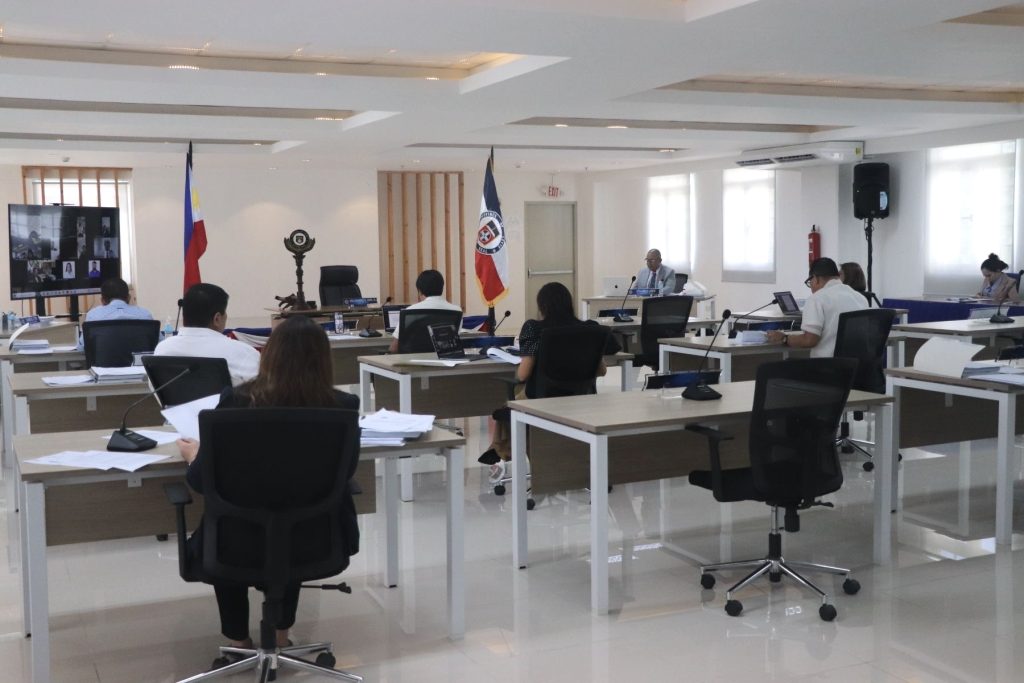
Among the measures implemented during the health crisis were Provincial Ordinance No. 2020-15, which established integrated provincial health protocols, and Ordinance No. 2020-03, which authorized virtual legislative sessions to ensure continuity of government operations despite restrictions on physical gatherings.
Leyte’s response mechanisms faced significant challenges during two major COVID-19 surges in 2021 and January 2022, when healthcare facilities and frontline personnel experienced increased pressure.
However, the study cautioned that trends in reported COVID-19 cases alone could not establish the direct effectiveness of specific government interventions.
It also identified gaps in implementing provincial policies at the barangay level, where frontline workers struggled with staffing shortages, inconsistent instructions, and limited access to digital communication tools.
In some communities, personnel relied on word-of-mouth contact tracing because of inadequate communication systems and limited technological resources.
The findings underscored the need for standardized protocols that consider the actual conditions and operational challenges faced by frontline workers.
“The province needs to establish permanent protocols that can respond to different emergency situations, taking into account both the physical and financial requirements of an effective response. This is how the proposed provincial code will provide for this,” Loreto said.
The proposed provincial pandemic response code is expected to establish clearer procedures for interagency coordination, personnel deployment, communication, contact tracing, and the continued delivery of essential healthcare services during emergencies.
It would also seek to address resource limitations and ensure that provincial policies can be implemented effectively at the community level.
By incorporating lessons from the COVID-19 pandemic, Leyte aims to build a more coordinated, responsive, and resilient public health system capable of protecting residents during future disease outbreaks and other health emergencies.