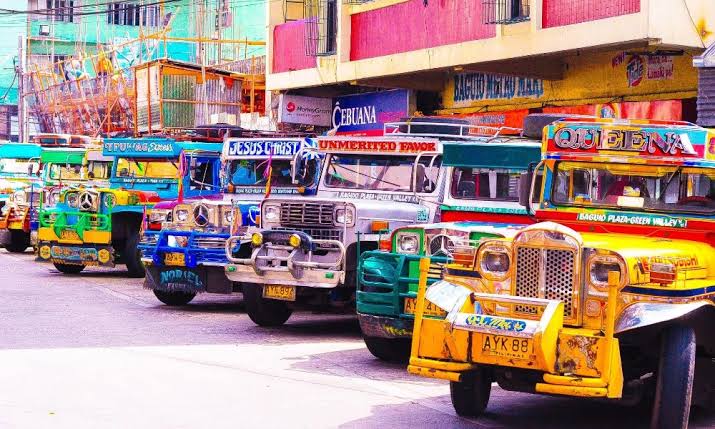
For decades, jeepneys have ruled the streets of the Philippines, earning the title Hari ng Kalsada (King of the Road). Originally repurposed from World War II military jeeps, these iconic vehicles have evolved into colorful, larger-than-life symbols of Filipino culture. More than just transportation, jeepneys represent resilience, creativity, and the Filipino spirit of diskarte—finding ways to survive and thrive. Despite the rise of modern transport alternatives, the jeepney remains a vital part of daily life, providing an affordable and accessible ride for millions of Filipinos.
Beyond their function, jeepneys also serve as moving art galleries, reflecting the country’s diverse culture and humor. With vibrant colors, religious images, and witty sayings, each jeepney tells a unique story. The sabit culture—where passengers hang onto the back when the seats are full—highlights the communal nature of Filipinos, always willing to squeeze in and share space with others. The loud honks, the distinct way drivers communicate through hand signals, and the casual exchanges of bayad po (fare, please) and para po (stop here, please) create an experience that is uniquely Filipino.
However, with modernization efforts pushing for electric jeepneys and stricter regulations, traditional jeepneys face an uncertain future. While progress is necessary, many Filipinos argue that these vehicles should not be phased out but rather improved and preserved as cultural heritage. The jeepney is more than just a mode of transport—it’s a symbol of Filipino identity, adaptability, and camaraderie. No matter how the roads change, the Hari ng Kalsada will always hold a special place in the heart of the Philippines.