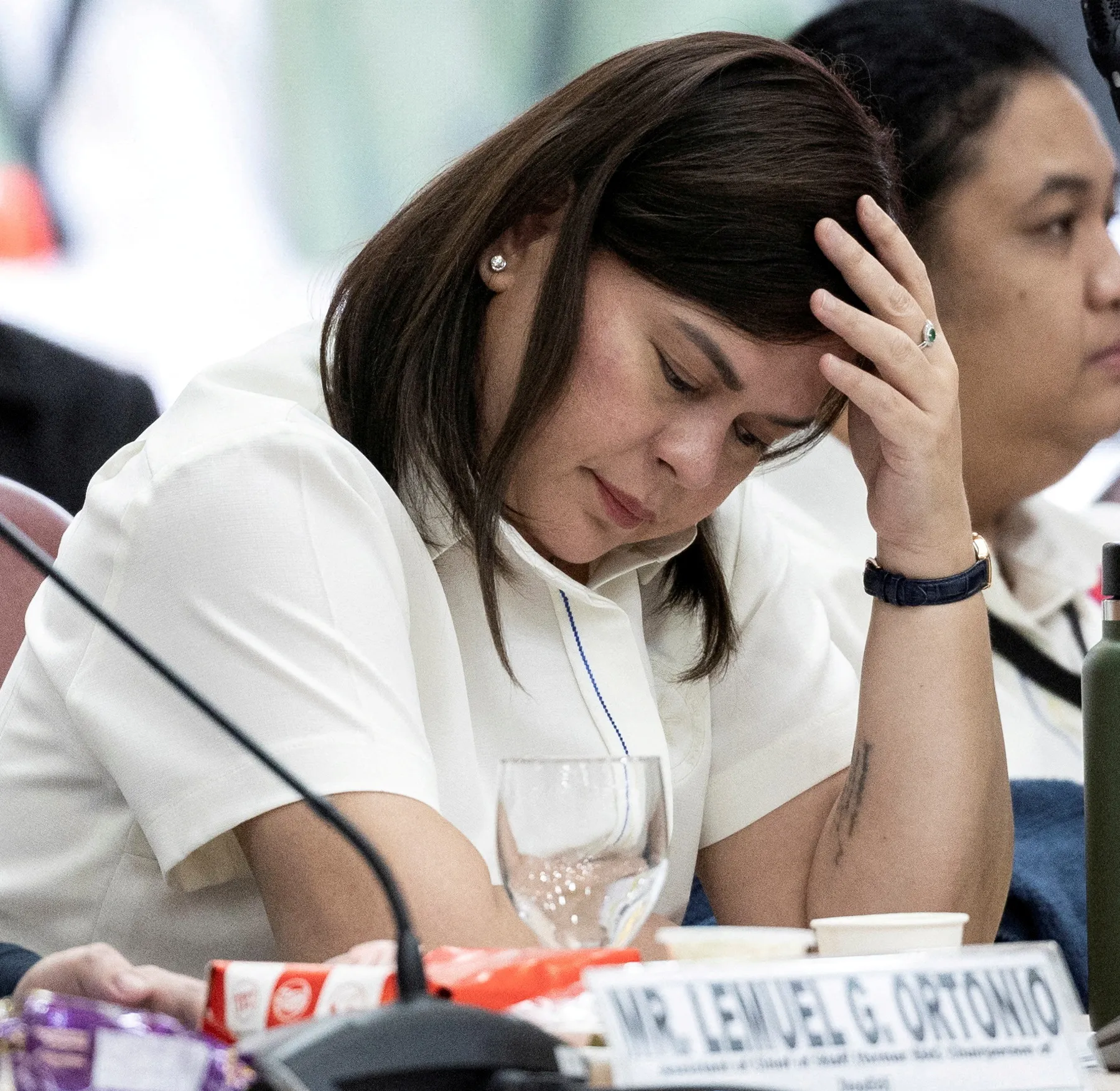

Despite a recent Supreme Court resolution and an audit opinion that raised questions, members of the House prosecution panel remain firm: the impeachment case against Vice President Sara Duterte must push through—no legal maneuvering or technicality should obstruct accountability.
Manila Rep. Joel Chua and Bicol Saro party-list Rep. Terry Ridon, both actively involved in the impeachment proceedings, responded to growing public curiosity about whether the Supreme Court resolution would stall or delay the Senate impeachment trial.
Rep. Chua assured the public that the House is ready to comply with the SC’s requirements, which mostly seek documentation and clarity on timelines.
“These are reasonable requests—dates, sequences of events. We can and will comply. It won’t delay the trial,” Chua said.
He emphasized that the substance of the impeachment case remains untouched by the SC’s clarification, especially since the Court has not issued any temporary restraining order (TRO) that could legally pause the proceedings.
“As far as I see it, this won’t derail anything. But it would be helpful if the SC can rule quickly on the pending petitions—especially on the one-year bar rule—so that distraction is off the table,” Chua added, referring to a legal technicality that could disqualify a second impeachment attempt within a year.
Ridon also weighed in, reminding the public and the Senate of their constitutional duty.
“We respect the Supreme Court, of course. But this resolution should not be used by the Senate as a reason to skip its duty—to try and decide on this impeachment case. That’s their mandate, period.”
Ridon emphasized that the absence of a TRO is crucial: “There’s no legal block here. None.”
Audit opinion no shield against scrutiny
Chua and Ridon also pushed back against claims that the Commission on Audit’s (COA) “unmodified opinion” in its report on the Office of the Vice President (OVP) automatically clears Duterte from accountability.
“An unmodified opinion just means the agency followed COA’s audit format—not that everything is aboveboard,” Ridon clarified. “It simply means you passed the formal test. But that doesn’t mean there were no irregularities.”
Chua agreed, pointing out that COA itself issued notices of disallowance—a formal red flag that some expenses may not be valid or properly documented.
“If everything were fine, there wouldn’t be disallowances. That alone tells you something’s off,” Chua said. “You don’t need to be a forensic accountant to see that.”
The lawmakers zeroed in on controversial OVP expenditures, such as the alleged use of overpriced “safehouses” costing up to P450,000 per month—located in high-end villages.
“That’s not the kind of facility any law enforcement agency would consider a typical safehouse,” Ridon said. “It strains credulity.”
The trial awaits
The message from both Chua and Ridon was clear: while procedural clarity from the SC is welcome, it must not be weaponized to stall a constitutionally mandated process.
They also warned against framing the audit opinion as a blanket defense, stressing that real accountability requires looking deeper into how public funds were spent—not just how they were recorded.
As the Senate prepares for the trial, the House prosecution team signals it is ready—documents, dates, and arguments in hand. The spotlight now turns to the upper chamber: will they rise to meet their constitutional duty?