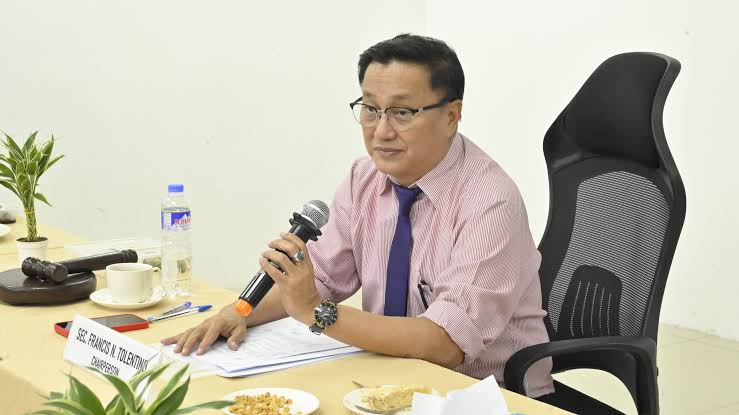
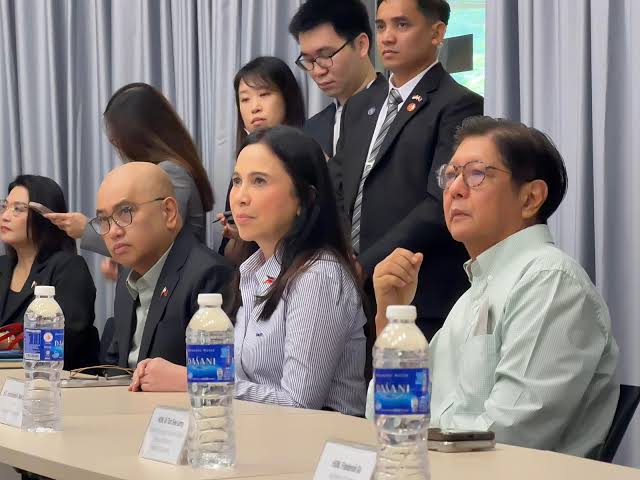
As concerns grow over the risks children face online, Globe is backing Education Secretary Sonny Angara’s call for telecommunications companies and social media platforms to step up efforts to protect young Filipinos in digital spaces.
Globe welcomed the Department of Education’s (DepEd) move to engage telcos and social media companies on stronger safeguards for minors, saying keeping children safe online cannot rest on parents, schools or government alone. It requires coordinated action across the entire digital ecosystem.
Angara said DepEd plans to work with telcos and social media platforms on measures that can better protect minors amid continuing discussions over children’s access to and use of social media.
For Globe, the initiative is an opportunity for government, technology companies, schools and families to combine their respective strengths.
Social media platforms, for instance, have a critical responsibility to provide age-appropriate experiences, strengthen content moderation and improve parental controls. Telcos can reinforce these efforts through network-level protection, online safety education and tools that give families greater control over their children’s digital experience.
“Secretary Angara’s call recognizes that protecting children online requires coordinated action across the digital ecosystem. Globe is ready to support DepEd and work with government, schools, parents and technology platforms to help create a safer online environment for young Filipinos,” said Atty. Froilan Castelo, Globe General Counsel.
“Everyone has a role to play. Platforms must strengthen protections for younger users, parents need effective tools and guidance, and young people need the skills to navigate digital spaces safely and responsibly,” Castelo added.
Why Simply Restricting Social Media May Not Be Enough
Globe’s position is consistent with UNICEF’s view that age restrictions alone are not enough to keep children safe online.
UNICEF has advocated for a broader approach that includes safer platform design, effective content moderation, age-appropriate digital experiences and stronger support for parents and caregivers.
This is particularly important as digital platforms have become deeply embedded in how young people learn, communicate, socialize and access information.
Globe believes protecting minors therefore requires more than limiting access. Restrictions should be complemented by safeguards that directly address the risks children encounter online, including stronger platform accountability, guided access, effective parental controls and digital literacy.
Giving Kids—and Parents—Tools to Navigate the Digital World
Beyond supporting stronger industry safeguards, Globe continues to promote responsible technology use through its Digital Thumbprint Program (DTP).
The program aims to equip students, parents, teachers and community leaders with practical knowledge and skills covering digital citizenship, cybersecurity, cyberbullying prevention, media and information literacy, and online safety.
Globe also recognizes that technology companies cannot solve the challenge alone. Schools and families remain essential partners in helping children understand the consequences of their online behavior, recognize potential risks and develop healthier digital habits.
As young Filipinos spend more of their lives online, the challenge is not simply keeping them away from digital platforms. It is making those spaces safer—and preparing children to navigate them responsibly.
Through stronger platform protections, empowered parents, greater digital literacy and closer collaboration across government and industry, Globe aims to help young Filipinos enjoy the benefits of technology without compromising their safety and well-being.
For more information about Globe, visit www.globe.com.ph.