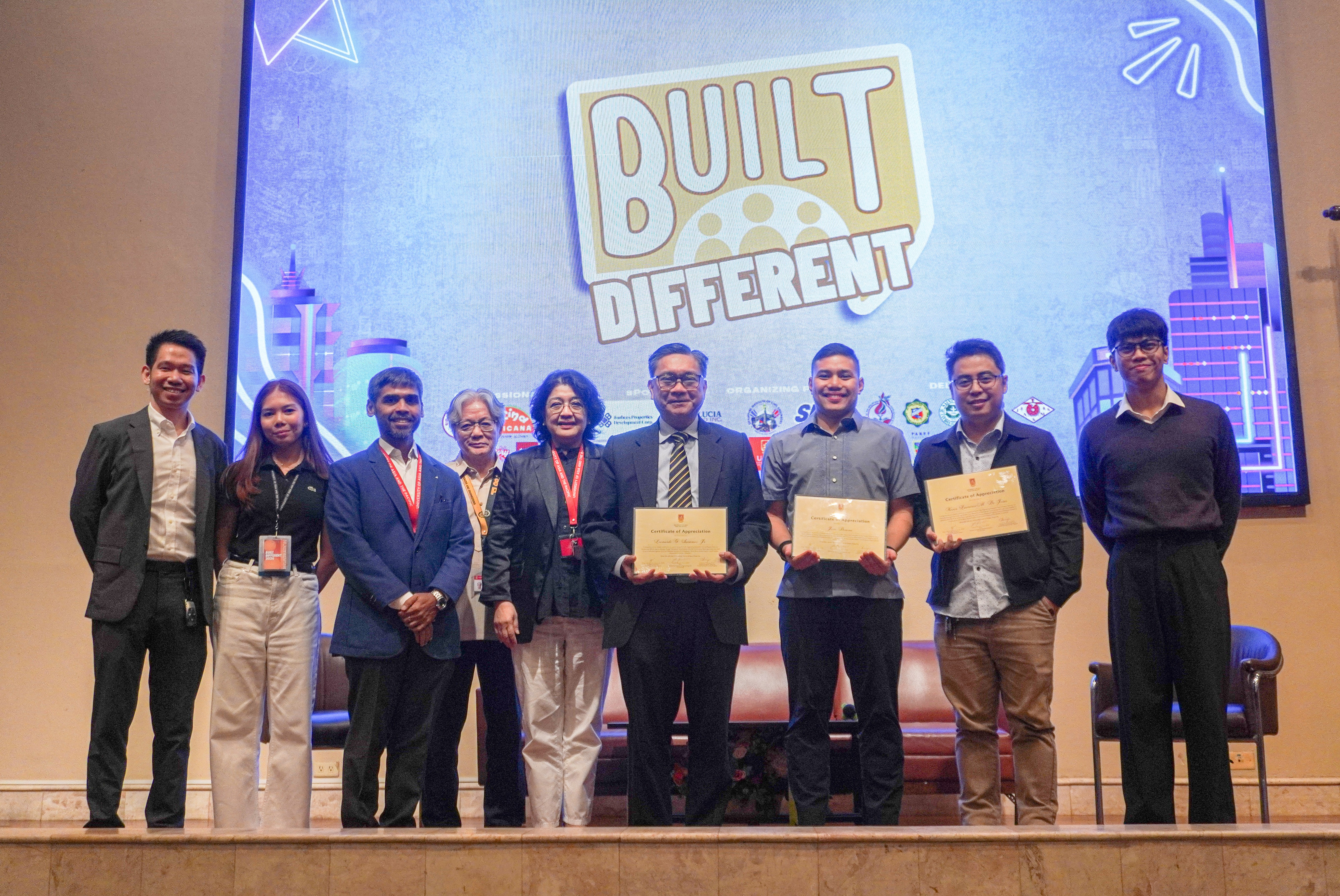

FAST Logistics Group showcased how AI, digitalization, and engineering innovations are transforming supply chain operations during the University of Asia and the Pacific (UA&P) Engineering Expo EN-Talks, bringing real-world industry applications closer to the next generation of engineers.
Speaking before Industrial Engineering and Civil Engineering students, as well as senior high school and junior high school students from various Metro Manila schools, FAST Chief Information Officer Leo Sacamos Jr. demonstrated how engineering principles and emerging technologies are being applied to solve operational challenges in warehousing, transportation, and cargo handling.
Rather than focusing on technology for its own sake, Leo emphasized that meaningful innovation begins with identifying business problems and developing practical solutions that deliver measurable results.
“Technology works best when they solve business needs rather than chasing trends for their own sake. The real measure of innovation is not how sophisticated the technology is, but how effectively it addresses an operational challenge and delivers value,” he said.
The discussion highlighted the growing role of engineers in an increasingly technology-driven logistics industry, where operational efficiency, supply chain visibility, and road safety depend on the effective integration of people, processes, and digital systems.
Drawing from FAST’s nationwide operations, Leo presented how the company uses digital platforms and AI to manage complex warehousing and transportation requirements for its customers, including multinational companies and leading conglomerates.
FAST’s technology ecosystem includes the Honeywell Warehouse Management System (WMS) and FarEye Transport Management System (TMS), which help automate warehouse processes, track inventory, optimize truck loading and dispatch schedules, and improve coordination across its nationwide network of transport partners.
With billions of cases handled annually and millions of shipments managed across its operations, FAST relies on connected systems and accurate, accessible data to maintain operational visibility and meet increasingly complex customer requirements.
“Managing logistics at scale requires more than manpower and physical infrastructure. It requires reliable data, connected systems, and the ability to make timely decisions. Digitalization allows us to manage complexity and deliver more reliable solutions to our customers,” Leo explained.
He also demonstrated how FAST deploys AI-powered dashcams to strengthen road safety, driver accountability, and cargo security. These devices monitor driver behavior, identify risky driving patterns, and flag potential safety and compliance concerns, helping the company manage transportation risks and respond more effectively to operational issues.
A highlight of the presentation was FleXChange by FAST, the company’s patented, systems-guided logistics innovation designed to address one of the longstanding bottlenecks in warehouse operations: truck loading and turnaround time.
In conventional warehouse operations, trucks typically occupy loading bays while cargo is prepared and loaded, a process that can take four hours or longer and limit vehicle availability for deliveries.
FleXChange reengineers this process through detachable and stackable truck boxes that allow warehouse teams to prepare and pre-load cargo before a truck arrives. Once the vehicle reaches the facility, the preloaded boxes can be attached to the truck, significantly reducing waiting time at the loading dock.
The innovation cuts cargo loading time by up to 97%, bringing the process down to approximately 20 minutes. By allowing trucks to return to the road sooner, FleXChange helps improve fleet utilization, delivery productivity, and overall supply chain efficiency.
“Efficiency is not simply about moving goods faster. It is about removing unnecessary steps and maximizing the productivity of every resource involved in the supply chain,” Leo said.
Beyond the technologies themselves, Leo encouraged students to develop a problem-solving mindset and look beyond the technical capabilities of emerging innovations. He emphasized that engineers must understand business processes, identify operational gaps, and translate their technical knowledge and creativity into solutions that address real-world needs.
“Technology alone does not transform a business. It takes people who understand the problem, the processes involved, and the desired outcomes to translate innovation into meaningful results,” he said.
Students from La Salle College Antipolo, Notre Dame of Greater Manila, St. Paul College Pasig, and UP Integrated School also participated in the discussions, raising questions about the implications of AI and other emerging technologies for the workforce, quality assurance, and national development.
Other expo speakers included Ascendant Global Managing Director Jose Carlito Cedena and Philippine Institute of Civil Engineers – North Metro Manila Chapter Vice President Dr. Kevin Lawrence de Jesus. #