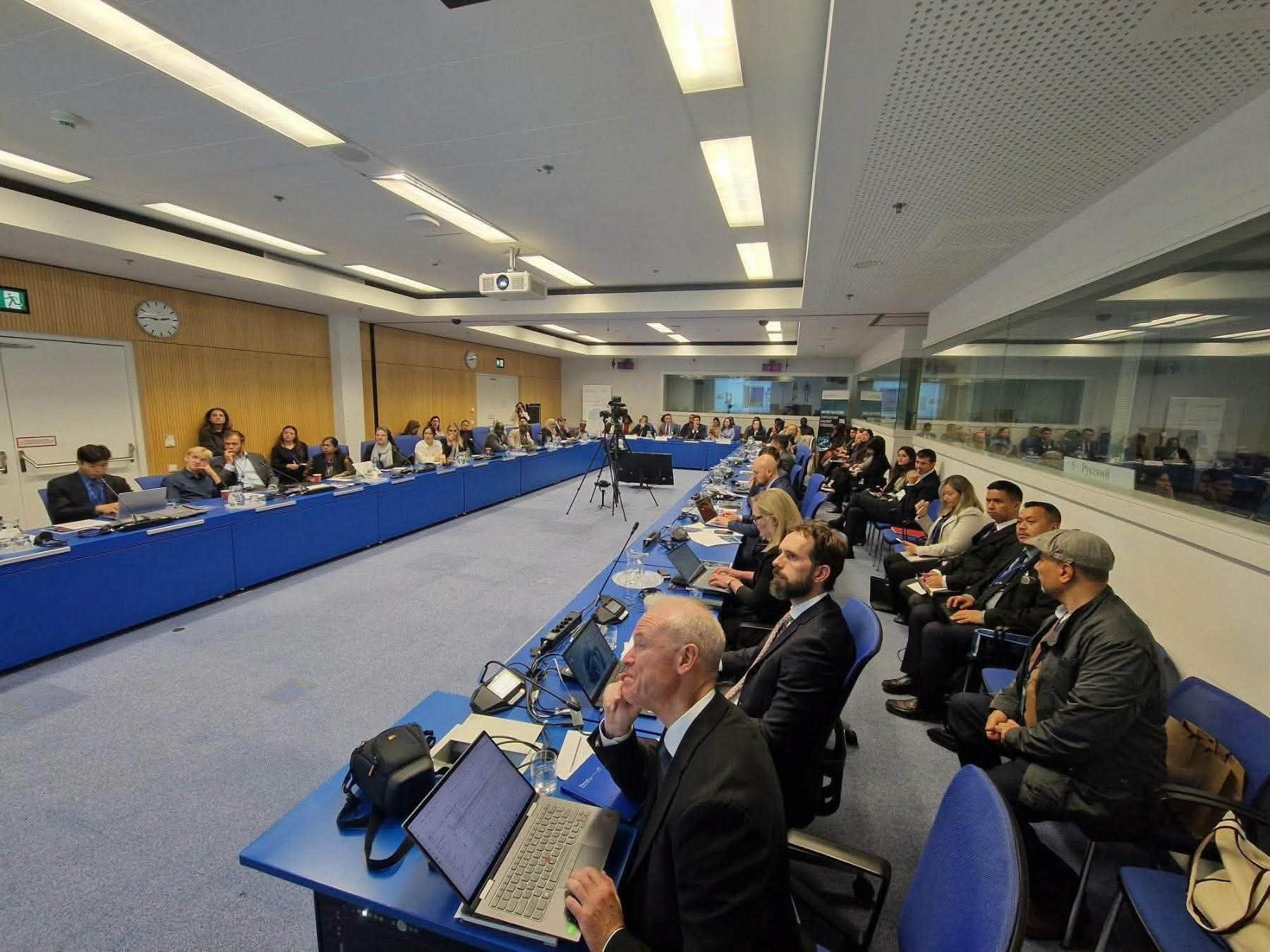

MANILA, Philippines – The Department of Justice (DOJ) emphasized the need for stronger cybercrime prevention programs, international cooperation, and public awareness campaigns to combat online scams and transnational organized crime during a United Nations conference in Vienna, Austria, in October 2026.
DOJ Assistant Secretary Michelle Anne Lapuz represented the Philippines at the 13th Conference of the Parties to the United Nations Convention against Transnational Organized Crime (UNTOC), where she highlighted prevention as a sustainable strategy against evolving cyber threats.
During the week-long conference, Lapuz participated in several discussions and side events, sharing the Philippines’ ongoing initiatives and best practices in addressing cybercrime, particularly efforts within the Association of Southeast Asian Nations (ASEAN) to disrupt online scam networks targeting young professionals.
The DOJ said these regional initiatives focus on increasing public awareness of online fraud schemes, encouraging internet users to verify suspicious transactions and communications, and conducting targeted information campaigns for communities vulnerable to cybercrime.
The department underscored the importance of coordinated advocacy efforts among ASEAN member states to expose fraudulent operations and prevent more individuals from falling victim to online scams.
At the Women in Cyber side event, Lapuz called for inclusive leadership involving both men and women in addressing increasingly sophisticated cyber threats.
She emphasized that strengthening cybersecurity requires not only effective law enforcement but also community participation, sound policies, and operational cooperation among government institutions and other stakeholders.
The DOJ also advocated a broader approach to measuring success in combating cybercrime and exploitation.
According to the department, efforts against cybercrime should not be evaluated solely through the number of convictions secured against offenders but also through the protection and rehabilitation of victims.
The agency stressed that meaningful progress includes helping individuals escape cycles of victimization and providing them with appropriate interventions, resources, and opportunities to rebuild their lives.
This approach places greater emphasis on addressing the conditions that make individuals vulnerable to online exploitation while strengthening criminal investigations and prosecution efforts.
The DOJ also reaffirmed its commitment to expanding partnerships with foreign governments, civil society organizations, and private sector stakeholders to develop sustainable cybercrime prevention measures.
These efforts include strengthening community education, improving public awareness of digital threats, and pursuing policy reforms aimed at reducing vulnerability to online fraud and exploitation.
The department maintained that prevention, victim protection, and effective prosecution must work together to address the growing challenges posed by transnational cybercrime.
Through continued international cooperation, the DOJ aims to strengthen the Philippines’ capacity to prevent online exploitation, protect vulnerable communities, and contribute to broader regional efforts against organized cybercriminal networks.