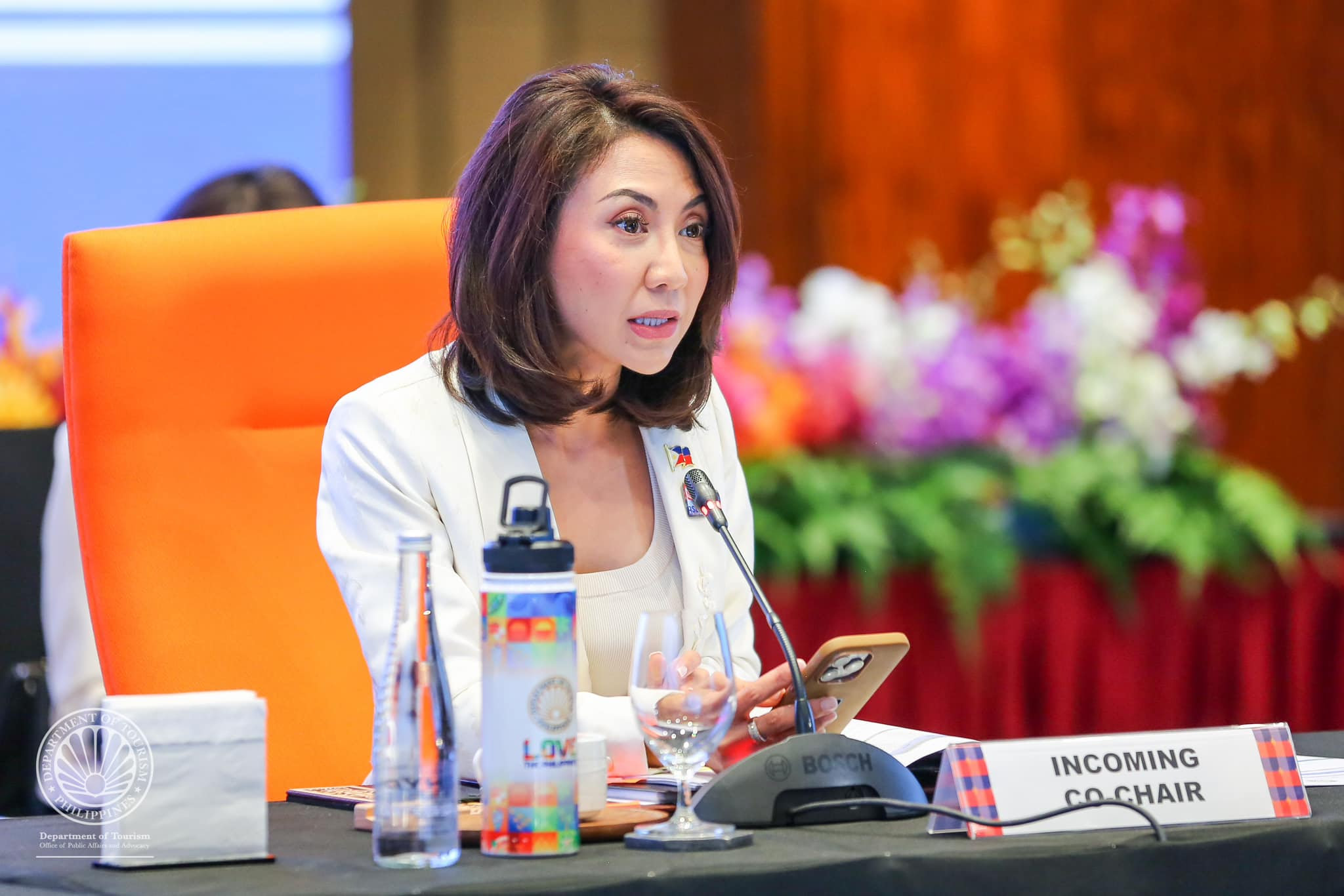
The Department of Tourism (DOT) has issued a global call to action, urging foreign investors to capitalize on the burgeoning tourism opportunities within the Philippines. The appeal was made by Tourism Secretary Christina Garcia Frasco at the World Travel Market (WTM) in London, where she highlighted key government reforms and fiscal incentives designed to make the archipelago an attractive investment destination
Speaking at a WTM forum on November 4, Secretary Frasco cited the new Corporate Recovery and Tax Incentives for Enterprises (CREATE MORE) Law as the primary driver for foreign capital. She detailed a range of financial benefits available to priority tourism projects, including crucial tax holidays, enhanced tax deductions, and exemptions on import duties, aimed at encouraging sustainability and job creation.
“The Philippines has engaged in a transformative development agenda led by our President Ferdinand R. Marcos Jr., whose Philippine Development Plan has shifted our country’s growth towards becoming more sustainable, inclusive, resilient, and innovation-driven,” Frasco said. She emphasized that the CREATE MORE Act is central to this framework, actively promoting green innovation and equitable regional development through its fiscal incentives.
Frasco stressed that public-private partnerships (PPPs) will play a “very potent role” in accelerating the sector’s growth. She noted that private capital is being sought for major projects, including airport modernization, enhanced tourism infrastructure, and critical improvements to existing destinations. The national government, she added, is also continuing its investment in fundamental tourism programs, such as community training and the installation of hyperbaric chambers in major diving sites.
During the launch of the Philippine Pavilion at the same event, the Tourism Secretary also placed a strong emphasis on sustainability and climate resilience in the face of global economic challenges and recurring natural calamities. She acknowledged that the Philippines currently faces typhoons and other disasters, making sustainability a “lifeline” rather than a mere concept.
“Sustainability for us is not mere theory, it is our lifeline,” Frasco declared, affirming the government’s pursuit of “people-centered and future-centric” tourism. This approach, she explained, recognizes that millions of livelihoods depend on the collective ability to protect and strengthen destinations for future generations, particularly amid threats like climate-induced disasters.
The pitch was reinforced by Philippine Ambassador to the United Kingdom Teodoro L. Locsin Jr., who expressed strong optimism regarding the sector’s recovery. Ambassador Locsin highlighted that arrivals from the UK market grew by 5.36 percent in 2024, outpacing the overall increase in UK outbound travel to Asia. He noted that the country achieved a 90.71 percent recovery rate as of October, which he described as a “testament to the resilience of the tourist industry and the unfailing allure of our islands.”