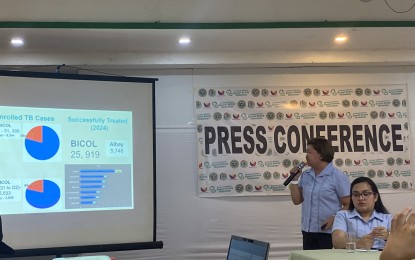
The Department of Health in the Bicol region (DOH-5) reported that 25,919 patients have been successfully treated for tuberculosis (TB) out of 31,399 recorded cases in 2024, achieving a 94% treatment success rate across the region’s six provinces.
Aida Ruby Jeremias, DOH-5’s TB program coordinator, said, “When we refer to the success rate, we are referring to the TB-enrolled that were treated. For 2023, we have 25,363 treated cases, and for 2024, we recorded 25,919.”
For 2024, Camarines Sur recorded the highest number of treated cases at 9,187, followed by Albay with 5,748, Masbate with 3,868, Sorsogon with 3,494, Camarines Norte with 2,480, and Catanduanes with 1,142. In the first two quarters of 2025, 15,533 patients have already been enrolled for treatment.
Tuberculosis is an infectious but curable disease caused by Mycobacterium tuberculosis, primarily affecting the lungs but potentially impacting other organs. Jeremias stressed, “TB primarily affects our lungs, but it can also affect other organs like bones and skin. If left untreated, it can be fatal.”
Under the National TB Control Program, the DOH aims for a TB-free Philippines with zero deaths through early detection, proper treatment, and inclusive care. “To achieve the goal, DOH effectively undertakes a multi-sectoral approach for intensified people-centered, inclusive, and quality TB care and support. Early treatment and completing the full course of antibiotics are essential for successful recovery and for preventing the development of drug-resistant TB,” Jeremias said.
She reminded patients to strictly follow their medication regimen, which lasts six to nine months, even if symptoms improve. Individuals showing symptoms such as chronic cough, fever, night sweats, chest pain, weight loss, loss of appetite, and coughing up blood or sputum are advised to get tested at public health centers, hospitals, private clinics, or DOTS-accredited facilities.
Jeremias also urged families of TB patients to undergo screening. “If one family member has TB, everyone must undergo screening to see if other household members are affected,” she said.
TB spreads through airborne transmission when an infected person coughs, sneezes, shouts, or spits, releasing bacteria into the air. However, it is not transmitted through casual contact such as touching clothes or shaking hands.

