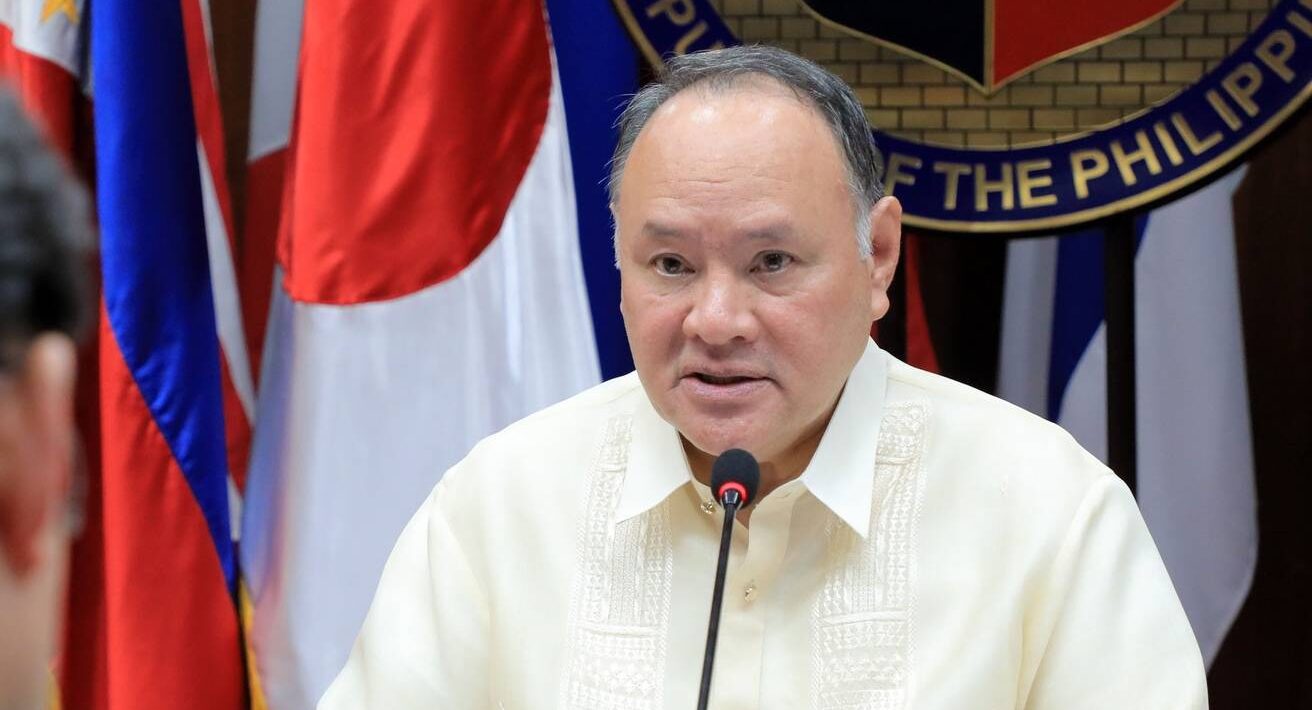

The Philippines must invest further in disaster-resilient infrastructure, response mechanisms and climate adaptation systems as the country faces increasingly unpredictable and severe hazards, Defense Secretary Gilberto Teodoro Jr. said Wednesday.
Speaking at the ASEAN Ministerial Conference on Disaster Resilience in Pasay City, Teodoro said the country needs to prepare for complex emergencies that could have wider and more serious effects on communities.
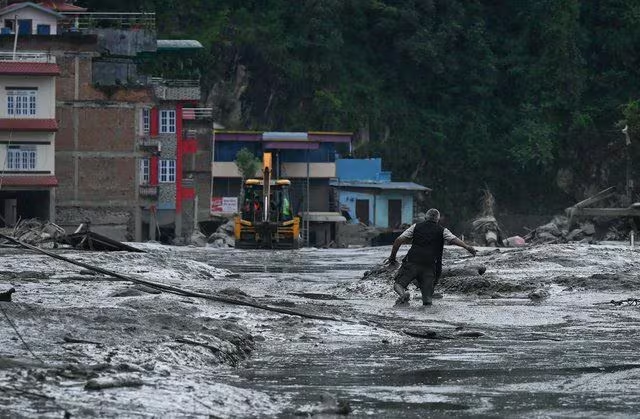
He cited scenarios such as volcanic degassing combined with heavy southwest monsoon rains that may trigger lahar, as well as contrasting weather conditions in which one part of the country experiences intense rainfall while another suffers from drought.
Teodoro said the government must move faster in developing systems and infrastructure that can improve resilience, stressing that such investments should also support productivity and other long-term needs.
He added that the Philippines can strengthen its disaster response capabilities by learning from the best practices of other countries.
President Ferdinand Marcos Jr., in a message delivered Tuesday by Executive Secretary Ralph Recto, also urged ASEAN member states to enhance disaster preparedness, improve early warning systems and deepen regional cooperation as disasters become more frequent, interconnected and costly.
Marcos said the conference provided an opportunity not only to recognize decades of cooperation among ASEAN countries in disaster risk reduction and emergency response, but also to prepare for future challenges.
ASEAN is composed of Brunei, Cambodia, Indonesia, Laos, Malaysia, Myanmar, Singapore, the Philippines, Thailand, Timor-Leste and Vietnam.