
The Department of Budget and Management (DBM) has approved an enhanced organizational structure for the Pantawid Pamilyang Pilipino Program (4Ps), including more than 5,000 permanent positions aimed at strengthening the nationwide implementation of the government’s flagship poverty reduction initiative.
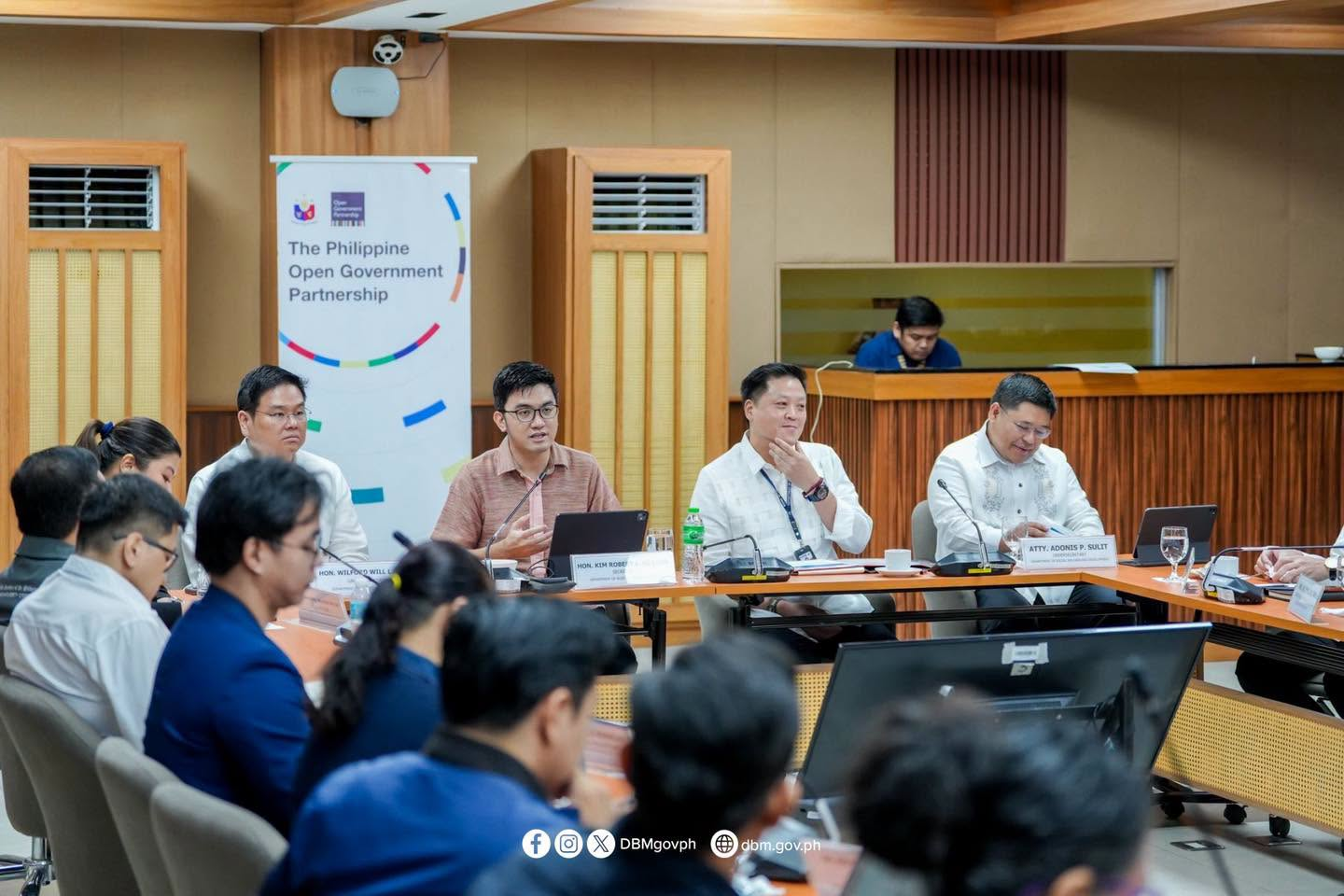
Budget Secretary Kim Robert De Leon announced the development during the Social Protection Reforms Dialogue on October 28, emphasizing that government programs must deliver meaningful and timely assistance to vulnerable Filipino families.
De Leon said the success of social protection initiatives should be measured not only by the amount of funding allocated but also by their actual impact on beneficiaries.
“Poverty does not come in neat categories. A family does not experience hunger on Monday, unemployment on Tuesday, and illness on Wednesday just to accommodate our government programs. These problems often happen all at once,” De Leon said.
He stressed the need for a more coordinated approach to addressing poverty, noting that families often face overlapping challenges involving food insecurity, unemployment, and health concerns.
The DBM chief said the approval of more than 5,000 plantilla positions under the enhanced 4Ps organizational structure is intended to improve program implementation and strengthen the delivery of assistance across the country.
He also underscored that sufficient funding alone does not guarantee effective public service, particularly when families experiencing crises require immediate government intervention.
During the dialogue, De Leon challenged government agencies and stakeholders to identify gaps in existing social protection programs and work together to address weaknesses in service delivery.
The gathering also highlighted the importance of collaboration among government institutions and other sectors in developing a social protection system that is more accessible, inclusive, transparent, accountable, and responsive to the needs of Filipino families.
The DBM reaffirmed its commitment to supporting social protection reforms to ensure that government resources translate into concrete improvements in the lives of vulnerable communities.