
The Philippines’ creative economy continues to gain economic and cultural weight, contributing an estimated 7.3 percent of GDP in 2024, according to the Philippine Statistics Authority.
As creativity becomes an increasingly critical driver of business growth, Filipino brands and creators are being pushed to evolve—balancing speed, scale, and new technologies without losing the authenticity that deeply resonates with local audiences.
That tension sits at the heart of the newly released Design Trends 2026 from Canva. Drawing insights from its Design Advisory Board, a survey of 1,000 creators in the United States and Brazil, and behavioral data from more than 260 million global users, the report points to a defining shift: as AI becomes embedded in everyday creative work, visual authenticity is emerging as the true differentiator.
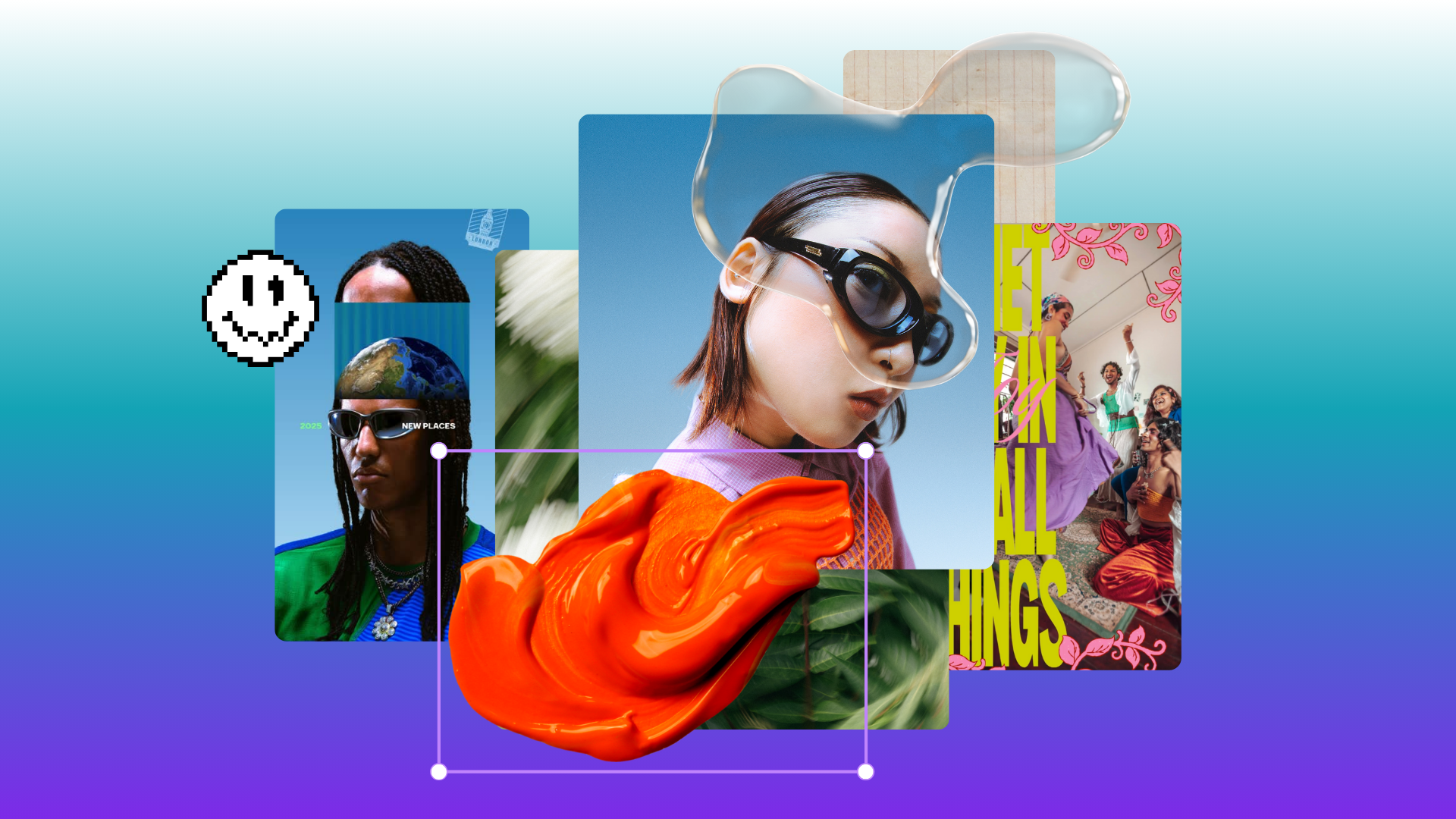
Rather than chasing hyper-polished perfection, creators are gravitating toward a new standard described as Imperfect by Design. The emphasis is on work that feels human, expressive, and emotionally grounded—designs that reflect lived experiences rather than algorithmic symmetry.

For Filipino creators, this approach aligns naturally with a culture that values storytelling, warmth, and relatability.
“AI is accelerating how Filipinos create, but it’s human emotion that keeps the work meaningful,” said Angelo Cuyegkeng, Design Lead at Canva Philippines. “We’re seeing creators embrace designs that feel imperfect, expressive, and deeply personal—and that’s becoming the new creative edge in 2026.”
AI’s role in creative workflows is now firmly established. Nearly half of creators surveyed use AI tools weekly, while 30 percent rely on them daily, underscoring its position as a collaborator rather than a replacement.
This partnership is fueling bolder visual experimentation, particularly through trends such as Reality Warp, where AI-driven surrealism and distorted visuals are used to grab attention and amplify self-expression.
Other emerging styles, including Drama Club and Prompt Playground, reflect a growing appetite for playful transformation. Creators are increasingly using AI to reinterpret technical formats into dynamic, expressive outputs.
This experimentation is also reflected in rising interest in lo-fi aesthetics, motion collage, and retro-tech visuals, with related searches up nearly 49 percent on Canva.
At the same time, there is a parallel surge in demand for restraint. Searches for clean layouts, serif typography, and simple branding rose 54 percent year over year, generating more than 45 million impressions.
The data suggests that creators are not choosing between maximalism and minimalism, but fluidly moving between both—using contrast as a creative tool.
As automation reshapes the creative landscape, the message for Filipino brands is clear. The designs that will stand out in 2026 are not necessarily the most technologically advanced, but the most emotionally resonant. AI may power the process, but intention, humanity, and authenticity will define success.
