
(DC file photo)
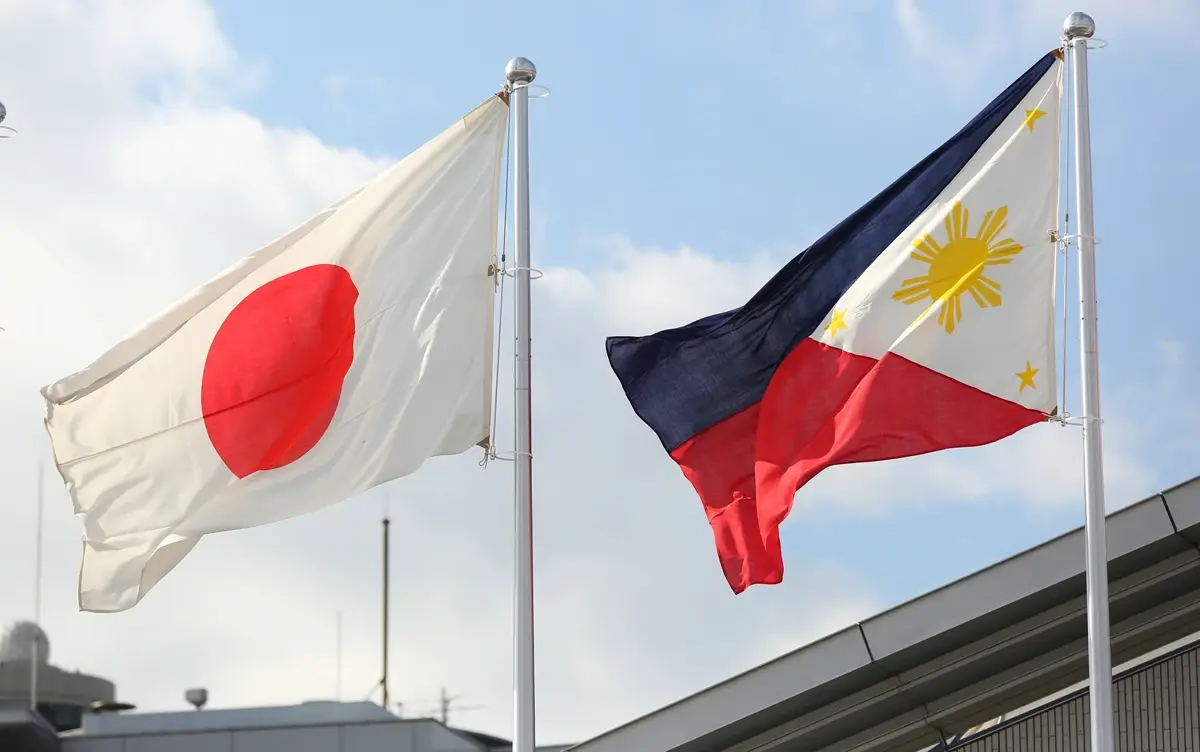
TOKYO – Japan and the Philippines are expected to sign a memorandum of understanding (MOU) to develop a national oil reserve system in the Philippines as part of efforts to strengthen energy security amid continuing supply disruptions in the Middle East.
The agreement is expected to be signed by Japanese Industry Minister Ryosei Akazawa and a Philippine government official ahead of the Asia Zero Emission Community summit in Manila on Tuesday, November 17.
Under the proposed partnership, Japan’s public and private sectors will provide technical and institutional support to help the Philippines establish a strategic oil stockpiling system and reduce its vulnerability to global supply disruptions.
The agreement will cover joint studies on potential cooperation with major oil-producing countries, including Saudi Arabia and the United Arab Emirates, as well as the development of mechanisms needed to establish a national petroleum reserve program.
Japanese engineering firm Chiyoda Corp. is also expected to sign a separate agreement with the Philippine National Oil Co. (PNOC) to provide technological assistance in developing oil storage facilities.
Funding could come from Japan’s Partnership on Wide Energy and Resources Resilience Asia (POWERR Asia), a USD 10-billion financing initiative announced in April to strengthen energy supply networks across the region.
The planned cooperation comes as the Philippines seeks to reinforce its fuel supply following the declaration of a national energy emergency in March amid escalating tensions in the Middle East.
Like Japan, the Philippines relies on the Middle East for more than 90 percent of its crude oil imports, leaving both countries exposed to disruptions in major shipping routes.
As of May 3, Philippine oil inventories were sufficient to cover only 53 days of domestic consumption, compared with Japan’s combined public and private reserves equivalent to 207 days.
Supply disruptions following the effective closure of the Strait of Hormuz, a critical route for global oil shipments, highlighted the Philippines’ dependence on imported petroleum and the need for additional storage capacity.
The Philippine government plans to construct national oil storage facilities beginning in 2027 and beyond, with a long-term target of adding 15 million barrels to its reserves, equivalent to approximately 30 days of domestic consumption.
The proposed agreement is expected to support these plans by providing technical expertise, infrastructure assistance and potential financing to strengthen the country’s long-term energy security.