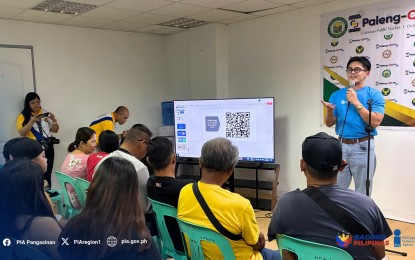
The municipal government of Calasiao, Pangasinan has officially launched the Paleng-QR Ph Plus program, marking a step toward digital payment adoption in its public market and transportation sector.
Municipal administrator Felipe De Vera said the initiative is a milestone for Calasiao, benefiting vendors, drivers, customers, and commuters by promoting convenient and secure cashless transactions.
Developed by the Bangko Sentral ng Pilipinas (BSP) and the Department of the Interior and Local Government (DILG), the program aims to establish a digital payment ecosystem across cities and municipalities, encouraging QR code-based transactions in markets and public transport.
BSP North Luzon Director Noel Neil Malimban said the project will help reduce physical cash use—which can carry diseases—and promote a safer, faster alternative mode of payment.
Before the launch, a financial literacy session was held to explain the benefits of QR payments and address common concerns about digital transactions.
“The use of QR prevents problems with change, as the amount to be paid will be exact. We are left behind in technology, and instead of circulating unclean bills, through it, buyers need not carry physical money,” said DTI-Ilocos Region Assistant Director Natalia Dalaten, noting that it also reduces risks of theft or robbery.
Dalaten encouraged Pangasinenses to embrace digital innovation, saying it will help both sellers and buyers, though public acceptance remains a challenge.
Calasiao is the second locality in Pangasinan to roll out the Paleng-QR Ph Plus program after Alaminos City. Meanwhile, Dagupan City, Sta. Barbara, Dasol, and Rosales have also passed ordinances supporting the initiative.
Vendor Danilo Soria expressed gratitude for the project, saying, “We are grateful for the program because it will be a huge help for fast, safe, and disease-preventive transactions. We fully support this.”