The Bureau of Corrections (BuCor) said the government is making inroads in addressing the decades-old problem of congestion in the country’s prisons, and a more efficient penal system may soon be the Marcos administration’s legacy.
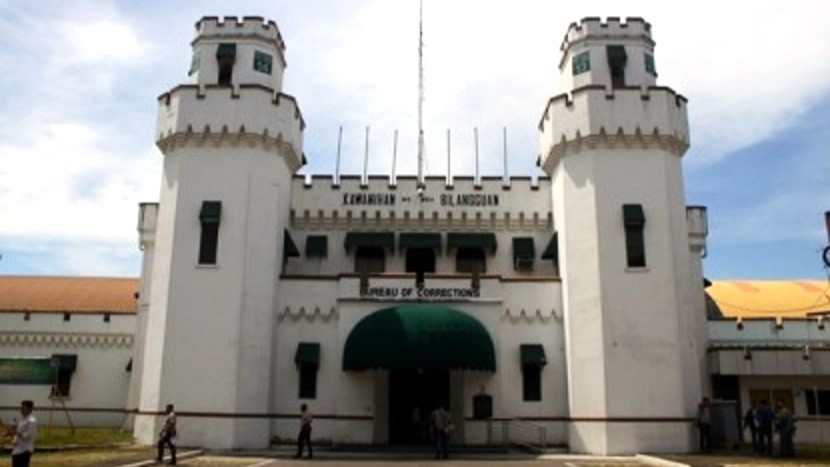
Speaking at the Bagong Pilipinas news program on Thursday, BuCor director general Gregorio Catapang Jr. acknowledged that the New Bilibid Prison (NBP) in Muntinlupa City, the country’s biggest prison, has fallen on tough times in the past 50 years.
He noted that the first prison in the country was built during the Spanish times and the last was constructed in 1973.
In total, he said, the prisons can only house 12,000 persons deprived of liberty (PDLs).
“Ngayon po kami sa BuCor, ang ating mga PDLs ay 55,000 na at hindi pa tayo nakakapagpagawa ng mga bagong kulungan,” Catapang said.
“Ito nga lang po ngayon, itong administrasyon ng ating mahal na Pangulo na nagsisimula talaga tayong i-address itong mga issues na ito. So, patung-patong na ito, kapag kulang ka ng kulungan nandiyan na iyong health problems, sanitation problem, and then, of course, iyong paano sila iku-control and then iyong kanilang safekeeping and reformation program.”
He said efforts under the Marcos administration include modernizing and digitalizing prison records, along with the redistribution of PDLs from the NBP to less populated penal farms and prisons.
In 2024, the BuCor released nearly 8,000 PDLs, and the redistribution program decreased the number of PDLs at the NBP from 30,000 to 25,000.
Catapang said the recent ruling by the Supreme Court that entitled heinous crime offenders to good conduct and time allowance (GCTA) is also helping the decongestion efforts.
“Because of that (ruling), madadagdagan ang mapapaagang mapalaya — mga about 10,000 po ang madadagdag for this year. Last December, nasimulan na natin iyong GCTA, nakapagpalaya na tayo ng 1,000. Itong January naman, nagpalaya tayo ng almost 600 and then tuluy-tuloy na ito, ang pagpapalaya natin,” he said,
Catapang, however, acknowledged that ensuring a successful reintegration program to make sure that PDLs are no longer a menace to society after they are released remains a challenge that requires a whole-of-nation approach.
“Iyon nga po ang problema din, iyong reintegration program nila. Kasi kapag bumalik iyan sa pamilya nila, accepted pa ba sila? Iyong iba nga po pag-uwi nila, ang akala nila nandoon pa iyong pamilya, pag-uwi nila wala na po,” he said.
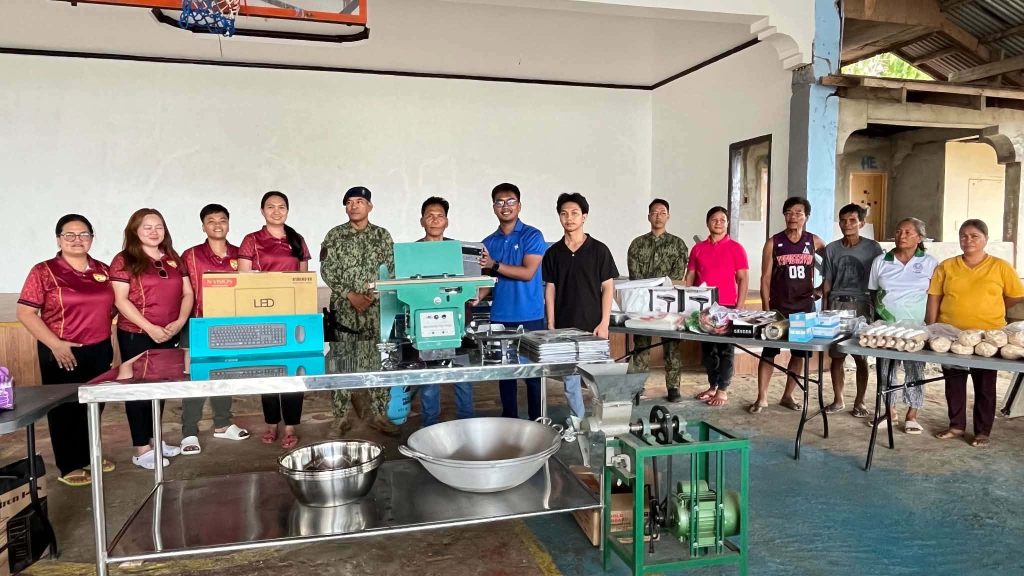
On the other hand, Catapang said, a number of companies continue to help the BuCor in providing employment opportunities to ex-convicts.
Several universities have likewise entered into an arrangement with the BuCor for education programs leading to a degree for PDLs, he added. (PNA)