
(Photo courtesy of PIA)
GATTARAN, Cagayan – The Department of Science and Technology (DOST) Region II has conducted food processing and preservation training for residents of Barangay Tanglagan in Gattaran, Cagayan, to help communities develop new sources of income using locally available agricultural products.
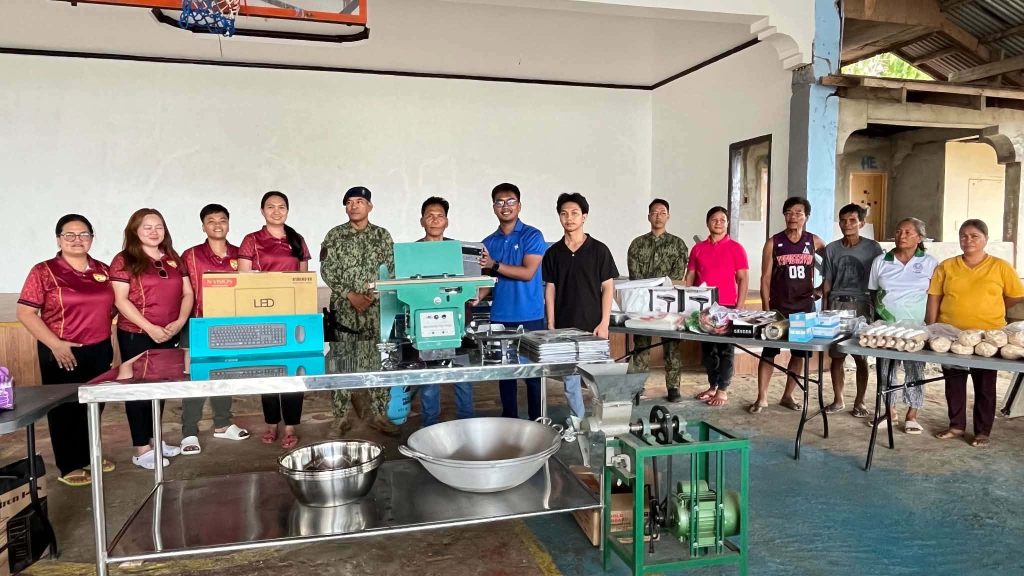
Through its Provincial Science and Technology Office (PSTO)-Cagayan, the agency awarded Grants-in-Aid (GIA) projects and provided practical training aimed at improving residents’ food processing skills and promoting small-scale entrepreneurship.
The activity was conducted in partnership with Cagayan State University (CSU)-Carig Campus and brought together members of the Rural Improvement Club (RIC) and barangay officials.
Participants attended discussions and hands-on demonstrations on producing banana chips, banana bread, and peanut butter using locally available ingredients.
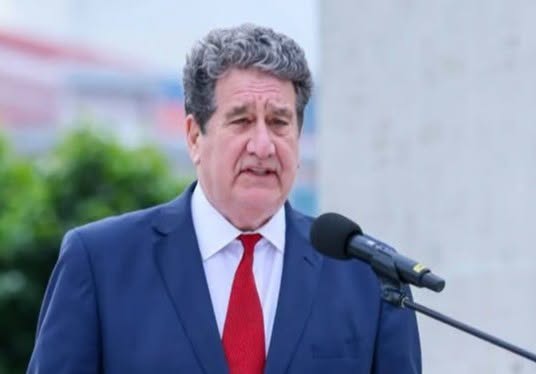
DOST Region II Director Virginia Bilgera said the training introduced food processing and preservation techniques that could increase the value of agricultural products, particularly saba bananas and peanuts.
She explained that converting raw agricultural materials into processed products could help residents generate additional household income and explore opportunities to establish community-based businesses.
The initiative also demonstrated how simple food processing technologies could reduce the underutilization of local agricultural resources while encouraging product development and entrepreneurship.
Barangay Captain Carmelo Aquino supported the activity and assisted in its implementation, while personnel from the 2nd Cagayan Provincial Mobile Force Company provided security and coordination assistance.
Aquino highlighted the importance of cooperation among government agencies, academic institutions, and local communities in making technical training and livelihood programs accessible to residents.
Meanwhile, Bilgera said DOST would continue promoting science and technology-based interventions to strengthen community skills, encourage product innovation, and support sustainable income-generating activities.
The agency hopes the training will help residents develop marketable food products and maximize the economic potential of their agricultural resources.
The program forms part of DOST’s continuing efforts to expand livelihood opportunities and support community development through practical technology and skills training.