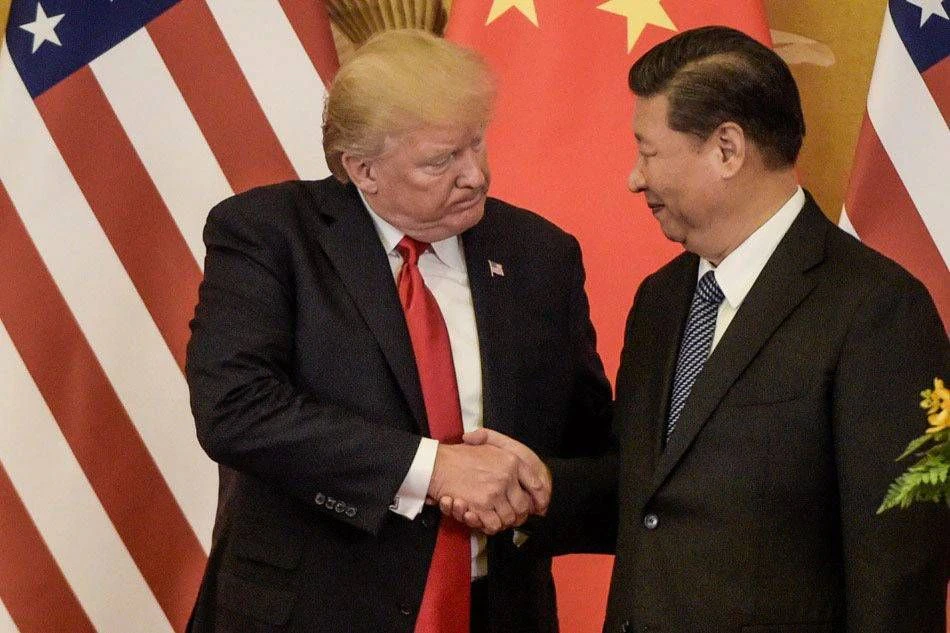
Chinese President Xi Jinping concluded his Southeast Asia tour in Cambodia, following earlier visits to Vietnam and Malaysia. His trip coincided with a global economic shake-up triggered by US President Donald Trump’s new tariff policies, which imposed steep duties on imports from Southeast Asia—49% on Cambodia, 46% on Vietnam, and 20%-30% on other countries.
The US later paused the tariffs for 90 days, except for China, which faces 145% combined tariffs. Trump’s protectionist move has rattled global markets and sparked concerns of an economic downturn, with many countries, including those in Southeast Asia, bracing for slower growth.
During his visit, Xi positioned China as a stabilizing force in contrast to the US. “The world is standing at the turning point of history,” Xi said. “China and Southeast Asian states should move forward with joint hands.”
In Vietnam, Xi signed 45 cooperation agreements, including the long-delayed railway project connecting northern Vietnam with southern China. However, experts noted that much of the visit was symbolic, with limited concrete deliverables. “The unusually vague language and delay in public statements suggest that Hanoi, and perhaps others, resisted Beijing’s attempts to shape the narrative,” said Khac Giang Nguyen, a visiting fellow at ISEAS Yusof Ishak Institute.
In Malaysia, Xi emphasized unity in facing global uncertainties. He called for advancing free trade negotiations between China and ASEAN. Prime Minister Anwar Ibrahim echoed this, saying, “We stand with the Chinese government, for the well-being of our people and for our national economic interests, as well as the overall development and stability of our country.”
Xi’s final stop in Cambodia focused on trade and symbolic diplomacy. China remains Cambodia’s top trading partner and investor, accounting for over 50% of total foreign investments and nearly 30% of its trade volume. Xi also visited the Chinese-refurbished Ream Naval Base, which has drawn scrutiny from the US over alleged Chinese military access—claims both nations deny.
Trump’s tariffs have pressured Southeast Asian countries to rethink trade strategies. Cambodia has pledged to cut tariffs on US imports, while Vietnam promised to remove them entirely and increase American goods purchases.
Zachary Abuza of the US National War College said Xi is “pushing on an open door” in the region. “Xi has portrayed China… as a force for economic stability and multilateralism.” In contrast, “Trump holds grudges,” Abuza warned, suggesting that the US might retaliate against Southeast Asia’s warm reception of Xi.
Despite tensions, analysts believe Southeast Asia’s engagement with China could strengthen its negotiating power with the US. “To be courted by China demonstrates they have options, and the Trump administration alienates them at its own risk,” said Hunter Marston of Australian National University.