
MANILA, Philippines — President Ferdinand Marcos Jr.’s order to remove system loss charges from electricity bills has triggered a major policy showdown in Congress, with lawmakers now scrambling to find a formula that cuts consumer costs without weakening power utilities and electric cooperatives.
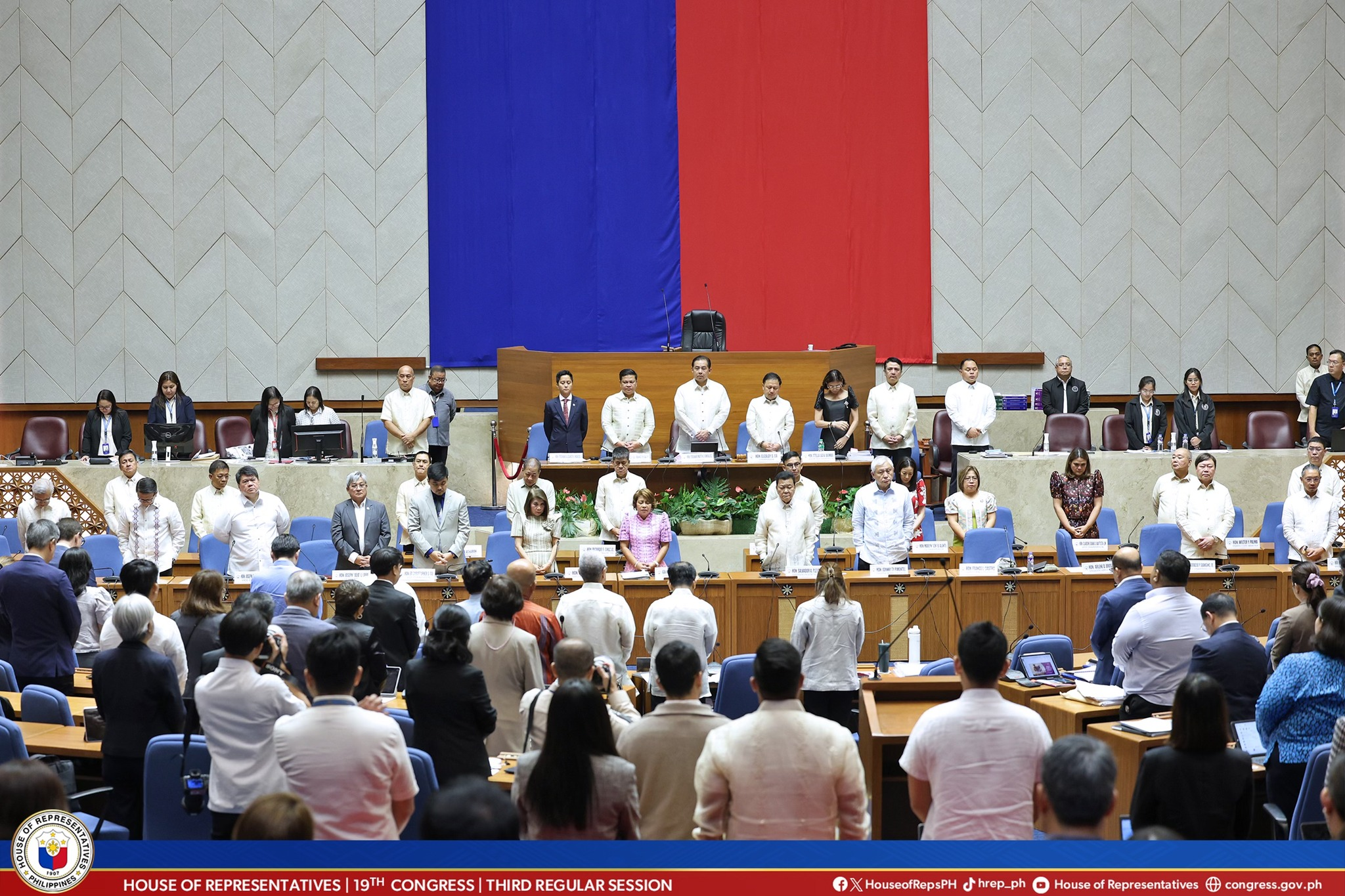
At an August 4 hearing, legislators weighed several options for amending the Electric Power Industry Reform Act, or EPIRA, as they confronted a politically sensitive question: Should ordinary consumers continue paying for electricity lost through aging equipment, operational inefficiencies, and power theft?
The answer may appear simple, but lawmakers and regulators warned that an abrupt removal of all recoverable system losses could create financial and operational problems for distribution utilities, particularly electric cooperatives already struggling with limited funding.
The challenge is to carry out the President’s directive without compromising network upgrades, anti-pilferage programs, and the reliability of electricity service.
Akbayan Party-list Rep. Dadah Kiram Ismula said the controversy should not be reduced to Meralco, stressing that inflated electricity bills are hurting consumers across the Philippines.
“While much of the concern today focuses on Meralco, this concern extends far beyond a single utility,” Ismula said.
She pointed out that households, public facilities, and small businesses in the Visayas and Mindanao are also being burdened by rising power costs.
“This is a national consumer issue that demands urgent attention,” she added.
Ismula acknowledged that a certain amount of technical loss is unavoidable because electricity naturally dissipates as it passes through power lines and distribution equipment.
However, she argued that consumers should not be forced to absorb losses linked to inefficient operations, outdated infrastructure, and shortcomings that utilities are expected to address.
“Is it fair that consumers should shoulder costs that are the responsibility of utility companies, such as inefficiency, aging infrastructure, and operational shortcomings? As a consumer, the answer is no,” she said.
She called for reforms that would make the power sector more efficient, transparent, and accountable to consumers.
Cagayan de Oro Rep. Rufus Rodriguez supported Marcos’ position that consumers should no longer shoulder system losses and pushed for amendments to EPIRA.
Rodriguez also asked the Energy Regulatory Commission whether recoverable non-technical losses, particularly those linked to electricity theft and unauthorized connections, should be abolished outright.
ERC Chairperson Francis Saturnino Juan said the commission supports measures that would provide relief to consumers but cautioned against the immediate elimination of all system loss recovery.
Juan explained that technical losses are an unavoidable part of distributing electricity. Instead of abolishing recovery altogether, he said the government could review and gradually lower the existing regulatory cap.
Any reduction, however, must be calibrated to avoid undermining the financial stability of distribution utilities.
On non-technical losses, Juan said reforms should protect consumers from unfair charges while ensuring that utilities still have sufficient resources to combat pilferage, modernize their systems, and maintain safe and reliable networks.
Bagong Henerasyon Party-list Rep. Robert Nazal pressed regulators and Meralco to explain how much of the system loss charge comes from unavoidable technical losses and how much is caused by electricity theft and other preventable factors.
He questioned why paying customers should continue absorbing the cost of stolen electricity.
Juan said Republic Act No. 7832 and Section 43 of EPIRA provide the legal basis for utilities to recover system losses.
He noted that the law currently does not separate technical losses from non-technical losses in determining the amount that may be passed on to consumers. Both are covered by ERC-prescribed ceilings.
That legal setup is now among the provisions lawmakers are considering changing.
Meralco said it has consistently kept its system loss below the regulatory cap through network upgrades, anti-electricity theft operations, and its System Loss Management Program.
The utility said the measures have generated substantial savings for customers over the years.
It also claimed that non-technical losses now account for less than one percent of its total system loss.
Meralco added that it continues to install smart meters and deploy new technologies to detect irregular consumption, curb pilferage, and improve the efficiency of its distribution system.
Energy Secretary Sharon Garin urged lawmakers to allow the Department of Energy to complete a comprehensive assessment before major policy changes are finalized.
Garin said the DOE would convene the ERC, the National Electrification Administration, private distribution utilities, and electric cooperatives to draw up an implementation plan for the eventual removal of system loss charges.
She agreed with Marcos that consumers should not be made to pay for losses caused by inefficiency.
However, she warned that reforms must also preserve the financial viability of utilities and electric cooperatives, especially those with limited funds for infrastructure and maintenance.
NEA Administrator Antonio Almeda warned that government subsidies cannot serve as a permanent solution for electric cooperatives affected by the proposed reforms.
He proposed expanding NEA’s loan and equity fund to provide bridge financing for meter installations and other upgrades.
Almeda said inadequate metering contributes to non-technical losses, including electricity theft. Many electric cooperatives, however, do not have enough capital to install modern meters or improve their distribution networks.
Without financial support, an immediate ban on recovering system losses could leave some cooperatives unable to fund the very upgrades needed to reduce those losses.
The hearing was convened following Marcos’ call during his State of the Nation Address to remove system loss charges from electricity bills.
Several measures are now pending before Congress, but lawmakers have yet to settle on a final approach.
Among the options being considered are lowering the recoverable cap, separating technical from non-technical losses, prohibiting the recovery of preventable losses, and providing financing assistance to electric cooperatives.
Further consultations with regulators, energy agencies, distribution utilities, electric cooperatives, and consumer organizations are expected.
For Congress, the task is clear but politically explosive: stop consumers from paying for inefficiency and stolen power without pushing struggling utilities toward financial crisis or putting reliable electricity service at risk.