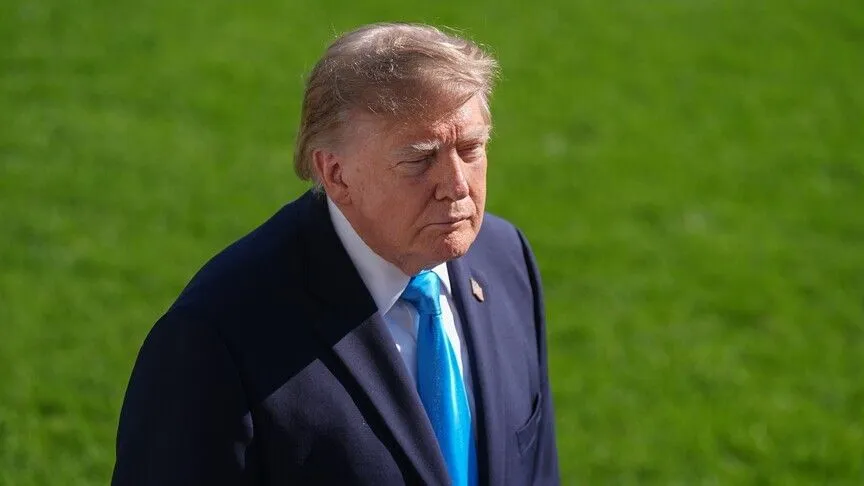

(Photo courtesy of Anadolu)
WASHINGTON — US President Donald Trump attributed Republican losses in last week’s midterm elections to public opposition to the war with Iran, rising gasoline prices, and what he described as growing negative sentiment toward Israel.
Speaking in an interview with CBS News’ 60 Minutes on Sunday, Trump acknowledged that the conflict had taken a political toll on Republicans, particularly as higher fuel costs added to public dissatisfaction.
“They didn’t like the war. They didn’t like the fact that gasoline went up,” Trump said.
“There’s a great dislike, incredibly, for Israel. There seems to be a dislike for Israel. So you have that, you have the war itself, you have the gas prices, and I think those are the primary reasons,” he added.
Despite acknowledging the political consequences, Trump defended his administration’s decision to launch military strikes against Iran, insisting that preventing Tehran from developing nuclear weapons remained a priority.
“My answer is an emphatic yes because you can’t let Iran have a nuclear weapon,” he said when asked whether he would make the same decision again.
Trump also claimed that the United States had emerged victorious from the conflict and that Iranian officials were interested in negotiating an agreement.
“We would have had a deal except for this election,” he said, suggesting that Democratic gains in Congress had complicated diplomatic efforts.
Asked whether his administration planned to intensify military operations following the elections, Trump indicated that he was not seeking further escalation.
“I’m not looking to. I don’t think there’s any reason to,” he said.
The president also reiterated his claim that US military strikes against Iranian nuclear facilities had been essential to Israel’s survival.
According to the supplied report, Democrats secured control of both the House of Representatives and the Senate in Tuesday’s midterm elections, dealing a significant political setback to Trump’s administration.
The Democratic victories will give the party control of both chambers of Congress when the new legislative term begins in January 2027, potentially complicating Trump’s domestic and foreign policy agenda.