
By Jose Cielito Reganit
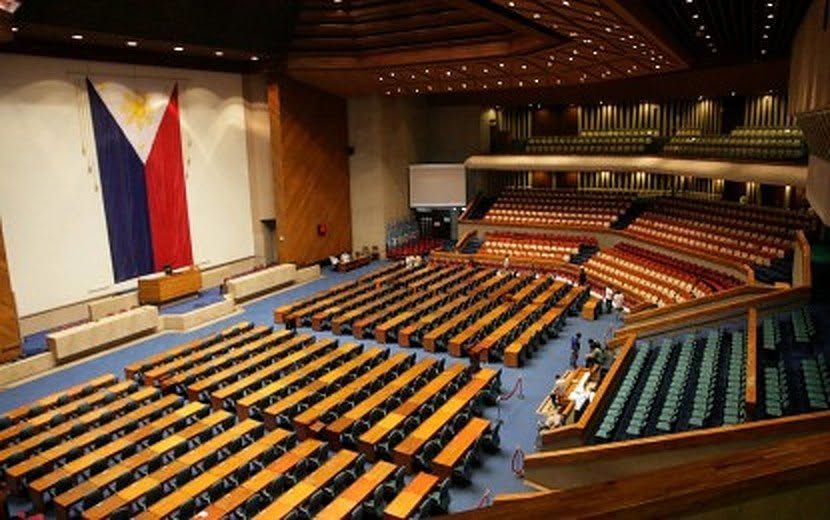
MANILA – By an overwhelming 247-0 vote, the House of Representatives on Tuesday night gave final approval to a measure that cracks down on illegal recruitment, treating two or more unlicensed recruiters acting together as a syndicate and prosecuting them for economic sabotage.
House Bill (HB) No. 9805 amends provisions of the Labor Code and the Migrant Workers and Overseas Filipinos Act of 1995 governing illegal recruitment.
“With President Ferdinand ‘Bongbong’ Marcos Jr. leading the national government and Speaker Bojie Dy at the helm of the House, our job is to make the law catch up with the way illegal recruitment actually operates. Two unlicensed recruiters working together can already destroy several families, so the protection of the law should not depend on waiting for a third conspirator,” House Majority Leader Ferdinand Alexander “Sandro” Marcos said in a statement.
Under the measure, illegal recruitment by a syndicate will continue to cover three or more persons conspiring or confederating with one another, but only two offenders will be required when those involved are non-licensees or non-holders of authority.
Illegal recruitment in large scale will remain applicable when committed against three or more persons individually or as a group, while both syndicated and large-scale illegal recruitment will continue to be treated as offenses involving economic sabotage.
The bill also provides that the Department of Labor and Employment or any law enforcement officer may initiate complaints for illegal recruitment while removing the old Labor Code language authorizing administrative arrest, detention, search and seizure against suspected illegal recruiters.
It retains the broad definition of illegal recruitment covering canvassing, enlisting, contracting, transporting, utilizing, hiring or procuring workers, including referrals, contract services and promises or advertisements for overseas employment undertaken without the required license or authority.
The measure likewise preserves prohibited recruitment practices such as failing to reimburse documentation and processing expenses when deployment does not proceed through no fault of the worker and allowing a non-Filipino citizen to head or manage a licensed recruitment or manning agency.
The change is designed to prevent coordinated but smaller unlicensed recruitment groups from escaping the heavier consequences attached to syndicated operations simply because only two offenders acted together.
The measure contains a separability clause protecting its remaining provisions should any portion be declared invalid or unconstitutional.