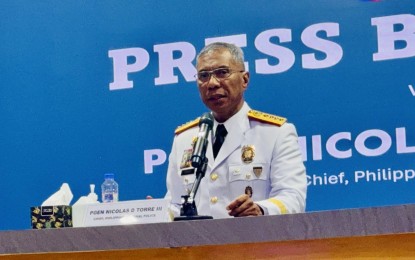
In a significant address during his courtesy visit to the Commission on Human Rights (CHR) in Quezon City, Philippine National Police (PNP) Chief Police General Nicolas Torre III underscored a critical point: lethal force should be a measure of last resort when apprehending suspects.
“Rest assured, the idea of a high volume of arrests does not mean we’re encouraging any form of abuse,” Torre stated with conviction. “Our police officers are not just eager to make arrests; they operate with a mindset that values human life. That era of reckless apprehensions is over,” he emphasized.
During the discussion, Torre emphasized that the use of lethal force should be reserved exclusively for the most extreme situations. “Life is precious. If complaints arise with the CHR, we will address them together,” he assured, highlighting his commitment to transparency and accountability.
Delving into the legal framework, he referenced Article 11 of the Revised Penal Code, which outlines the conditions under which individuals may be exempted from criminal liability. Torre explained, “When officers conduct an arrest, there’s always a chance that the suspect might resist. In such cases, the provision for self-defense comes into play.” He reiterated that officers are entitled to defend themselves if they perceive a threat to their safety.
The PNP chief also tackled concerns raised by the CHR regarding his earlier comments about using the number of arrests as a metric for evaluating police performance. “For officers who make warrantless arrests, submission of affidavits will now be mandatory, providing necessary documentation for performance evaluations,” he clarified. “This is crucial as it keeps our processes transparent and ensures the integrity of our operations.”
He highlighted the importance of proper documentation in the judicial process. “When a person is arrested without a warrant, the inquest process plays a pivotal role in determining whether they should remain in custody. The affidavit of arrest is fundamental,” he explained, acknowledging the complexities and dangers of police work.
Torre made it clear that any police officer found violating these principles or providing false statements would face strict disciplinary action, including suspension or dismissal. His firm stance on accountability reinforces a culture of integrity within the Philippine National Police (PNP).
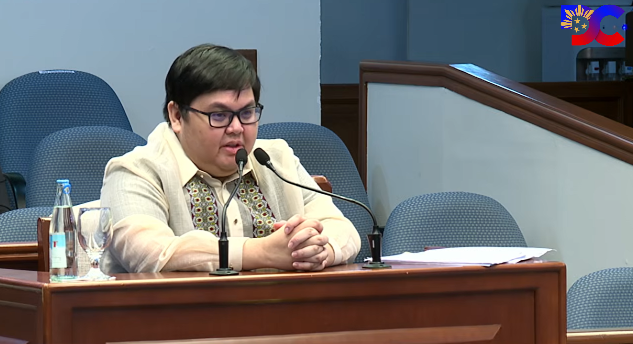
CHR chairperson Richard Palpal-latoc warmly welcomed Chief Torre, noting the historical significance of his visit. “We wholeheartedly extend our congratulations to Police General Nicolas Torre III on his appointment as the new chief of the PNP. Your visit marks a significant moment in our partnership,” he said, appreciating the importance of open dialogue between the police and human rights advocates.
With Torre at the helm, there’s hope for a more balanced approach to law enforcement—one that prioritizes human rights while ensuring public safety.