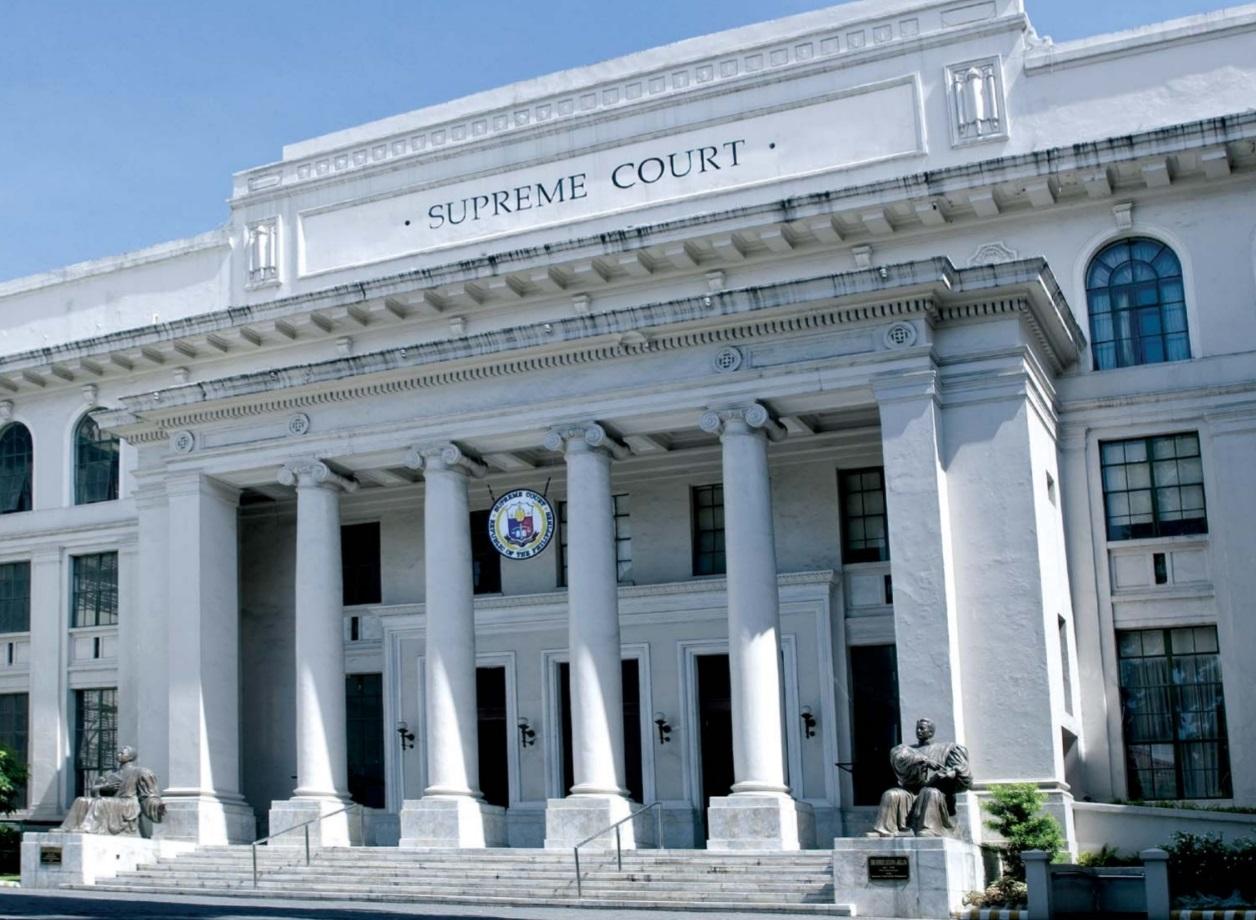
In a landmark decision released February 10, 2026, the Philippine Supreme Court has ruled that same-sex couples who live together are recognized as co-owners of property acquired during their relationship, provided there is clear evidence of actual contribution.
The ruling, penned by Associate Justice Jhosep Y. Lopez, clarifies that while same-sex marriage remains unrecognized by law, the property relations of these couples are governed by Article 148 of the Family Code.
The case involved two women who purchased a house and lot in Quezon City during their relationship. Although the property was registered under only one partner’s name for banking convenience, the other partner provided 50% of the funds for the purchase and renovations.
Following their separation, the registered owner denied her former partner’s co-ownership and refused to sell the home.
While lower courts initially dismissed the claim, the Supreme Court reversed those findings, citing a signed “Acknowledgment” from the registered owner as binding proof of the other partner’s financial contribution.
The High Court distinguished this ruling from Article 147 of the Family Code, which applies to unmarried heterosexual couples who are legally free to marry and carries a presumption of joint ownership.
Under Article 148, which applies to those barred from marriage, co-ownership is not presumed but must be proven through actual contribution.
The Court emphasized that a same-sex relationship is a “normal relationship” that must be covered by these protections to prevent legitimate intimate unions from becoming “legally invisible.”
Despite the ruling, the Supreme Court noted that it does not have a “monopoly” on securing the rights of homosexual couples.
The justices urged Congress to intervene and pass legislation that balances these interests with fundamental freedoms, stating that broader policy concerns regarding same-sex unions must be addressed by the legislative branch rather than through judicial fiat alone.
Concurring justices Marvic M.V.F. Leonen and Amy C. Lazaro-Javier added that the law must adapt to modern society to rectify the “unjustified difference” in how same-sex couples are treated compared to their heterosexual counterparts.