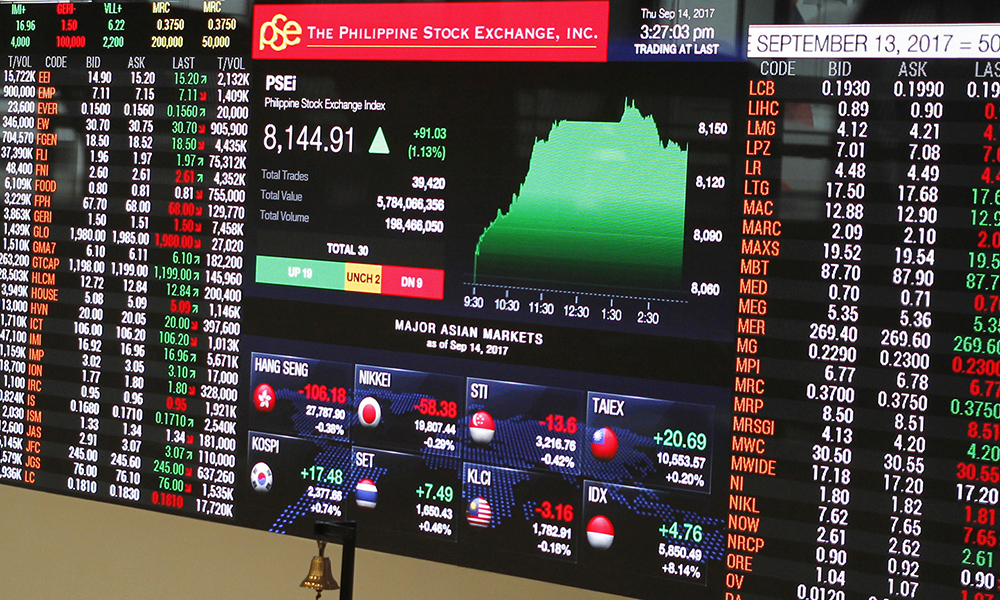

Philippine equities opened 2026 on a strong footing, shrugging off currency weakness as investors returned to the market with renewed confidence following fresh signs of recovery in domestic manufacturing.
The benchmark Philippine Stock Exchange index surged 1.36 percent on the first trading day of the year, closing at 6,135.06, while the broader All Shares index climbed 1.26 percent to 3,517.05. Buying interest was broad-based, signaling an early risk-on mood as traders positioned for growth prospects in the months ahead.
Investor sentiment was buoyed by improving economic data, particularly the rebound in factory activity. December manufacturing figures showed output expanding once more, reversing the sharp contraction seen in November and restoring optimism that the economy is stabilizing as the year turns.
Nearly all major sectors ended the session higher, with mining and oil stocks leading the advance, followed by financials, holding firms, industrials, and property. Only the services sector closed lower, weighed down by selective selling.
Market participation was active, with over P4.3 billion worth of shares changing hands and gainers comfortably outnumbering losers.
While stocks rallied, the peso moved in the opposite direction. The local currency weakened to P58.841 against the US dollar, slipping as seasonal support from overseas Filipino remittances faded after the holiday period.
Analysts said renewed dollar demand from importers and corporates also contributed to the peso’s softer close.
Adding to near-term market caution was the temporary reenactment of the national budget, as the 2026 General Appropriations Act remains unsigned. Economic managers have downplayed concerns, noting that government operations will continue normally and that the P6.793-trillion spending program is expected to be signed within the first week of January.
The divergent performance of stocks and the peso on the opening day of 2026 underscored a familiar theme: optimism in the equity market driven by improving growth signals, set against short-term currency pressures shaped by seasonal flows and fiscal timing.