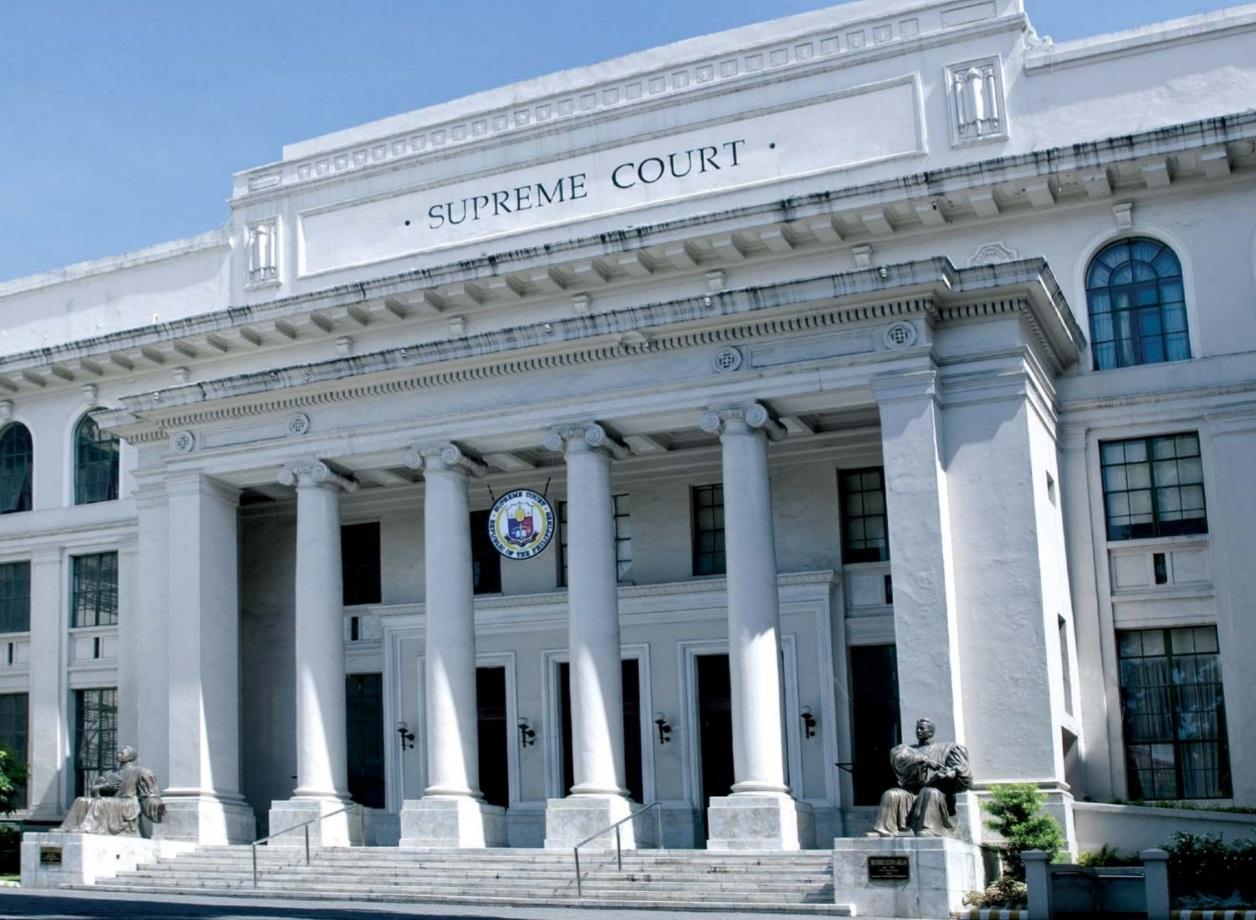
The Supreme Court (SC) has ruled that a Congressional inquiry into the proliferation of fake news online does not violate the right to free speech of vloggers invited as resource persons.
In a decision made public Thursday, the SC En Banc dismissed a petition filed by Ernesto Abines Jr. and others who sought to prohibit the House of Representatives from compelling their attendance at legislative inquiries concerning their social media posts.
The petitioners had argued that the inquiries violated their constitutionally guaranteed freedom of expression, claiming the proceedings were meant to silence them and created a “chilling effect” on public discourse. They also contended that they were subjected to humiliation and insult by the House Tri-Committee.
The High Court disagreed, affirming that merely inviting the vloggers as resource persons did not constitute a violation of their freedom of expression. The SC emphasized that Congress was acting within its legislative function, seeking to gather information for crafting laws to address the deliberate spread of misinformation, and not to punish individuals or suppress speech.
The Court stressed that Congress possesses broad authority to enact laws that promote the common good, including addressing the dangers posed by false information, which it noted can “undermine public trust and threaten social stability.”
However, the SC cautioned that while Congress has the right to conduct inquiries, lawmakers’ questioning of resource persons should not be “unduly harsh or demeaning.” The court reiterated that all resource speakers are entitled to their constitutional rights and must be treated with courtesy and respect during legislative proceedings.