
(Photo courtesy of PIA)
BAGUIO CITY — The National Irrigation Administration-Cordillera Administrative Region (NIA-CAR) has urged rice farmers to adopt the Alternate Wetting and Drying (AWD) irrigation technique to conserve water and sustain agricultural production amid the anticipated effects of a very strong El Niño.
The weather phenomenon is forecast to peak before the end of 2026 and persist through the first half of 2027, raising concerns over reduced water availability for irrigation and possible disruptions to rice production.
NIA-CAR said AWD is among the water management strategies being promoted to help farmers maximize limited irrigation supplies and maintain crop productivity during prolonged dry conditions.
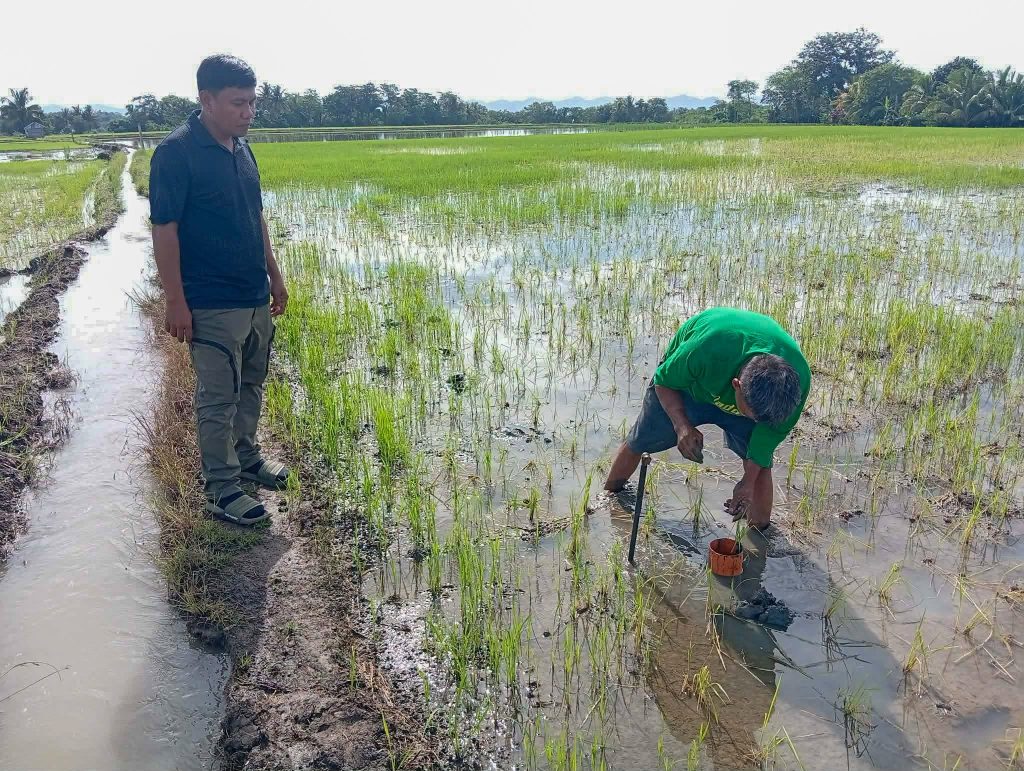
Unlike conventional irrigation methods that keep rice fields continuously flooded, AWD involves alternating periods of controlled flooding and drying to reduce water consumption while maintaining favorable conditions for rice growth.
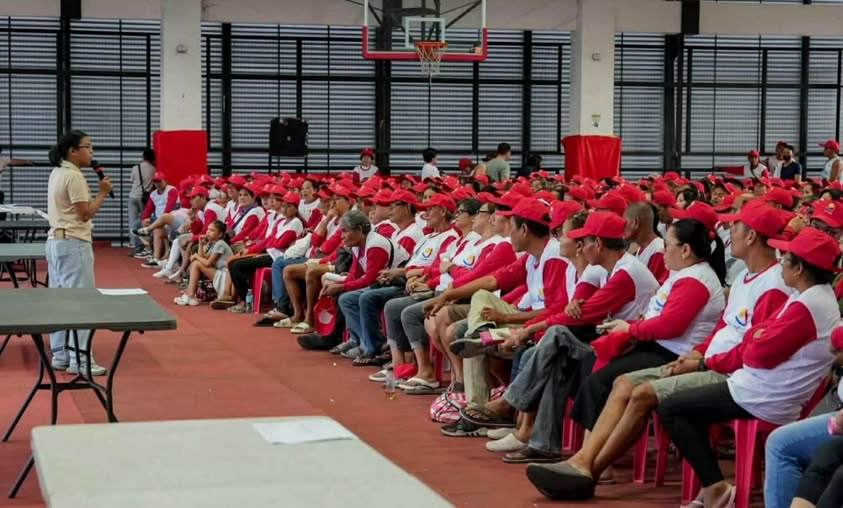
To prepare farming communities, NIA-CAR conducted training sessions and field demonstrations through its field offices last year and earlier this year, involving irrigation associations across the Cordillera region.
The training activities focused on proper water management techniques, including the installation and use of observation tubes that allow farmers to monitor water levels and determine when irrigation should resume.
According to NIA-CAR, combining AWD with rotational irrigation schedules and coordinated water distribution could help extend available water supplies and ensure more efficient allocation among farmers, particularly in areas vulnerable to drought.
The agency also encouraged farmers in drought-prone communities to consider planting drought-resistant crops, such as mung beans, as an alternative to rice to minimize potential agricultural losses.
NIA-CAR emphasized that the effectiveness of these measures depends on the active participation of farmers, cooperation among irrigation associations, and close coordination with government irrigation personnel.
The initiative forms part of the agency’s preparations to mitigate the potential impact of El Niño on agriculture and strengthen the resilience of farming communities against prolonged dry weather conditions.