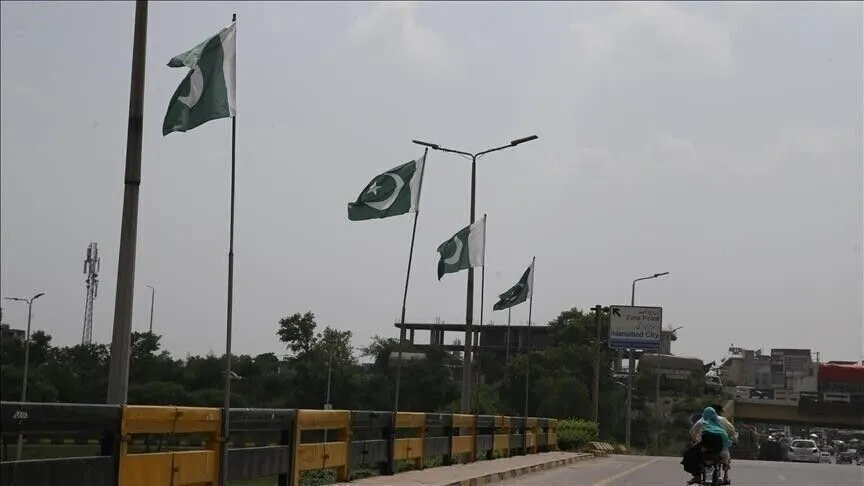

(Photo courtesy of Anadolu)
ISLAMABAD – Saudi Arabia has extended the rollover of its USD 3-billion financing facility for Pakistan, providing continued financial support as Islamabad works to strengthen its foreign exchange reserves and manage external debt obligations.
Pakistan Finance Minister Muhammad Aurangzeb confirmed Wednesday that Riyadh had agreed to extend the facility for what he described as a reasonable period, although he did not disclose its new maturity date.
“It has been extended and for a reasonable period. You don’t need to worry as to for how long given the kind of strategic relationship we have,” Aurangzeb told reporters in Islamabad.
The financing was initially provided in April to help Pakistan meet a USD 3.5-billion debt repayment obligation to the United Arab Emirates (UAE).
Pakistan repaid the amount after Abu Dhabi requested immediate settlement of the debt, placing additional pressure on Islamabad’s foreign exchange reserves.
The Saudi financing facility, which carried a three-month term, reached maturity on October 31 before the latest extension.
The rollover comes as prospects for a proposed USD 10-billion financial support facility from the United States remain uncertain.
Saudi Arabia had earlier extended a separate USD 5-billion financing arrangement for Pakistan until 2028.
Aurangzeb said he held productive discussions with Saudi Finance Minister Mohammed Al-Jadaan on the sidelines of recent World Bank and International Monetary Fund meetings in Bangkok.
The Pakistani finance chief also addressed questions regarding the proposed USD 10-billion Exchange Stabilization Support Facility (ESSF), which Islamabad requested from Washington in July.
“What we asked for back in July and were looking at was the market access,” Aurangzeb said.
“We have got the market access,” he added, referring to Pakistan’s successful issuance of USD 3 billion in bonds in September, which attracted investor orders totaling USD 6 billion.
Aurangzeb said the proposed US-backed facility would provide additional liquidity support if approved, but stressed that Pakistan had alternative financing options.
“If that (ESSF) materializes, fantastic, it will be a liquidity support facility. Otherwise, we have plans for further Eurobond issuance, Panda bond issuance and rupee-linked dollar-settled bond,” he said.
Pakistan is targeting a USD 4-billion reduction in external debt during the current fiscal year, followed by another USD 3.5-billion reduction in the succeeding fiscal year.
The country reduced its external debt by approximately USD 4.5 billion in the previous fiscal year.
Pakistan’s liquid foreign exchange reserves currently stand at approximately USD 26.86 billion, according to the figures provided.
Of the total, the State Bank of Pakistan holds around USD 21.47 billion, while commercial banks account for approximately USD 5.41 billion.
The extension of Saudi financing is expected to provide Pakistan with additional flexibility in managing its external payment obligations while pursuing other sources of international funding.