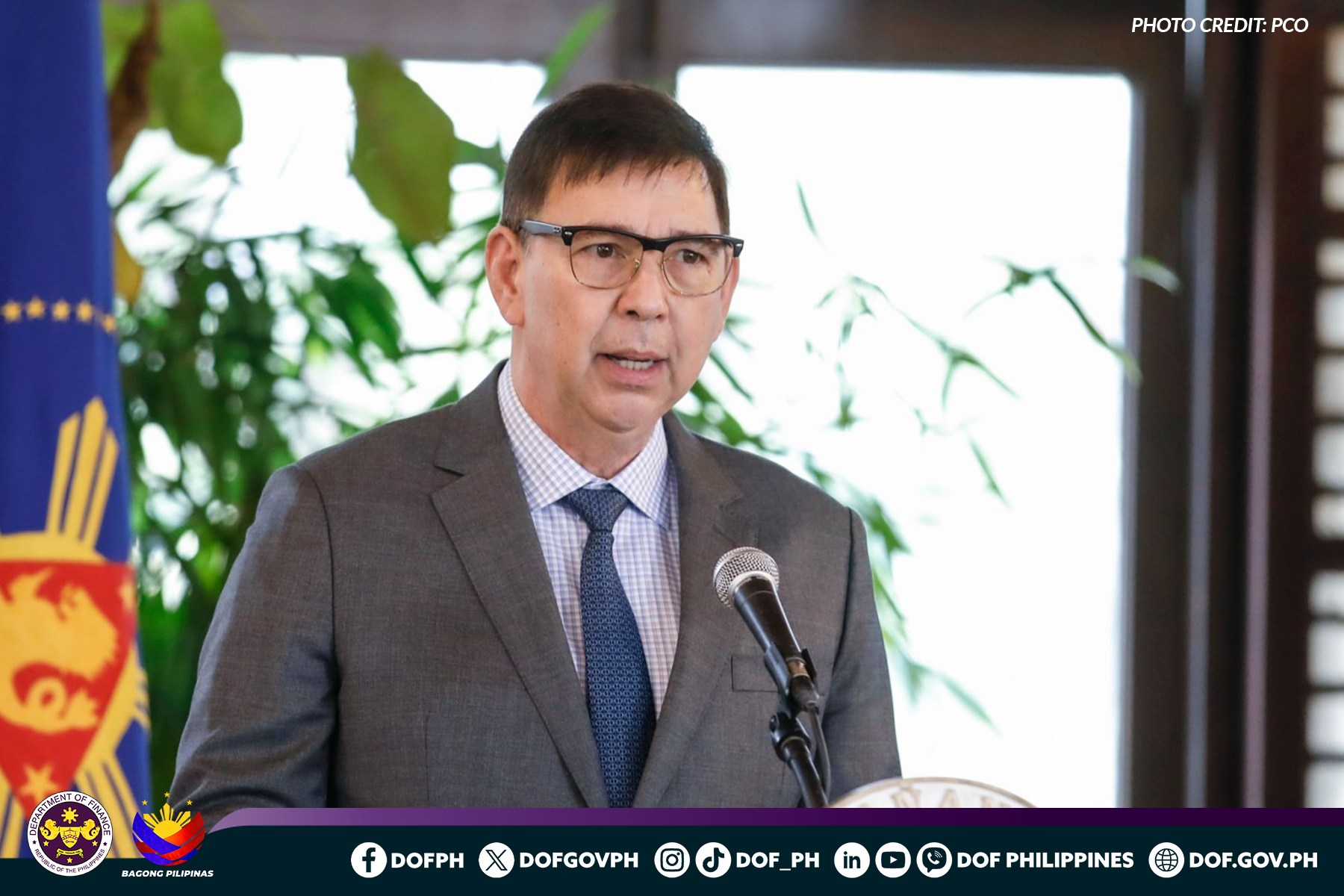

Finance Secretary Ralph Recto expressed his support for the widely anticipated decision by the Bangko Sentral ng Pilipinas (BSP) to reduce key interest rates further. Speaking with reporters in a recent press briefing, Recto aligned with market expectations of a 25-basis-point cut during Thursday’s BSP’s upcoming Monetary Board meeting.
“There is a great possibility, a probability. I agree with the market consensus of a 25-basis-point decrease,” Recto said.
If implemented, this move would bring the BSP’s cumulative rate cuts for the year to 75 basis points, reducing the benchmark reverse repurchase rate to 6%. The overnight deposit and lending rates would be adjusted to 5.5% and 6.5%, respectively.
Economists and market analysts widely anticipate the BSP’s continued easing cycle. Inflation is expected to remain within the central bank’s target range of 2%- 4% in the coming months. Lower inflation allows the BSP to ease monetary policy further, aiming to stimulate economic growth through increased consumer spending and investments.
Recto underscored the importance of lower interest rates in driving economic activity. “If your credit card interest rate were lower, you’d probably consume more, too, right? So, more investment, more consumption,” he said, emphasizing the potential boost to both individual and business spending.
Lower interest rates reduce the cost of borrowing, making it more affordable for households to finance big-ticket purchases and for businesses to invest in expansion. This, in turn, contributes to job creation and economic growth.
Future expectations for monetary policy
Looking ahead, Recto revealed his expectations for further rate cuts in 2025, predicting a total reduction of 75 basis points for the year.
“My position was for a 100-basis-point cut, but it also depends on external factors like what the U.S. Federal Reserve does. We have to wait for inflation numbers and global developments,” he explained.
Recto’s cautious optimism reflects the need for the BSP to balance supporting domestic growth and monitoring international economic conditions, particularly the actions of the U.S. Federal Reserve, which can influence capital flows and currency stability.
The Philippines’ economic outlook remains positive, supported by stable inflation and an ongoing recovery in consumer demand. Recent inflation data showed significant easing, with the rate settling at 2.5% in November 2024, well within the BSP’s target range. This trend is expected to persist, creating an environment conducive to monetary easing.
Meanwhile, the government’s focus on reducing foreign borrowing and enhancing domestic financing, as outlined by Recto, complements the BSP’s monetary policy approach. Lower interest rates could encourage domestic investment, supporting infrastructure projects and small and medium-sized enterprises (SMEs).
Impact on households and businesses
A reduction in interest rates directly benefits Filipino households by lowering the cost of loans, including housing, auto, and personal loans. This translates to higher disposable income and increased purchasing power, encouraging consumer spending.
Lower borrowing costs can facilitate access to capital for expansion, equipment upgrades, and hiring for businesses, particularly SMEs. This creates a multiplier effect, boosting economic activity and contributing to overall GDP growth.
While rate cuts provide immediate economic benefits, there are potential risks. Excessive monetary easing could lead to overheating, particularly if credit growth outpaces economic output. The BSP must carefully monitor credit conditions to avoid asset bubbles or a surge in non-performing loans.
Moreover, global economic uncertainties, including volatile oil prices and geopolitical tensions, could challenge inflation management. The BSP must remain agile, adjusting its policy stance to address evolving risks.
Recto’s support for another rate cut reflects a strategic effort to stimulate consumer spending and investment, aligning with the BSP’s goal of fostering economic growth. With inflation under control and favorable domestic conditions, the timing is opportune for monetary easing.
The BSP’s actions will remain pivotal in sustaining the country’s recovery and achieving its growth targets. By balancing domestic priorities with external challenges, the Philippines can maintain economic stability and momentum into 2025.