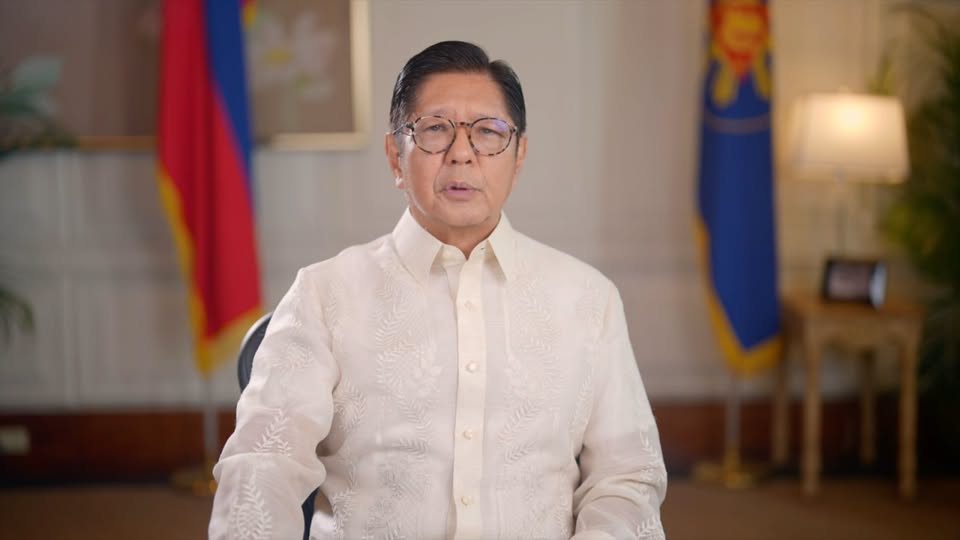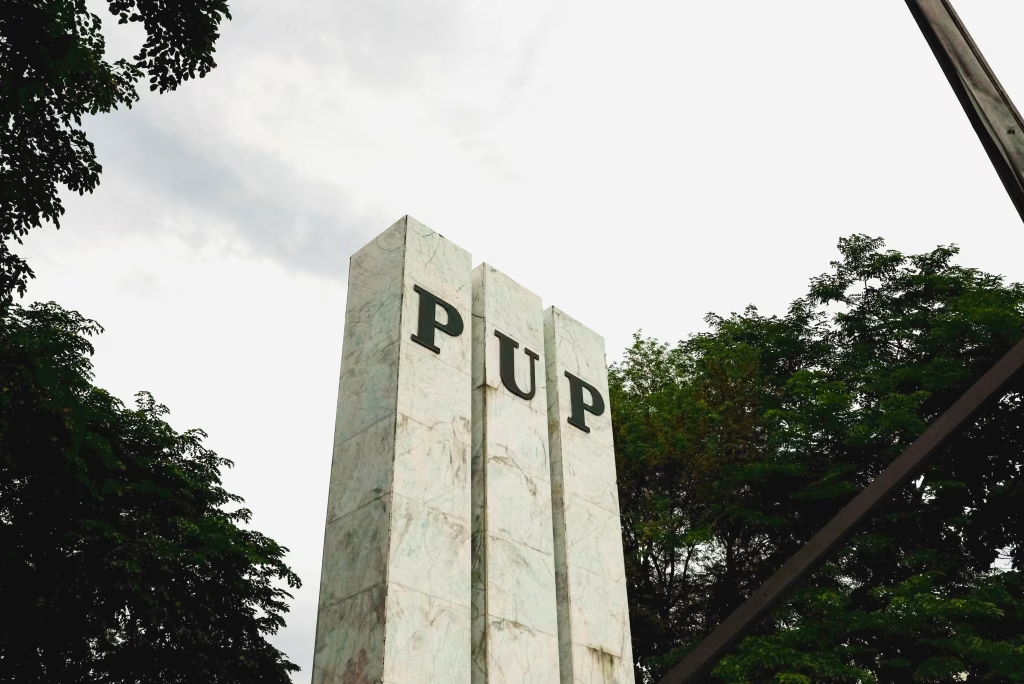
The Polytechnic University of the Philippines (PUP) has issued a sharp and urgent warning following President Ferdinand Marcos Jr.’s veto of the bill that would have elevated the institution to National Polytechnic University (NPU) status. In a strongly worded statement, the university said the veto not only delays progress—it threatens the very future of its 25-campus system and the marginalized communities it serves.
“This decision is not merely a legislative setback—it is a rejection of the urgent call to expand access to quality, inclusive, and relevant public higher education,” the PUP administration stated, adding that several campuses now face the risk of closure due to the lack of funding the bill would have secured.
The proposed measure, backed by 45 House members and 23 senators including Senate President Juan Miguel Zubiri, aimed to grant the 120-year-old institution fiscal and institutional autonomy. It included a provision for P100 million in annual support for five years to help upgrade facilities, boost academic programs, and insulate campuses from political interference.
Zubiri, disheartened by the veto, noted that this was the second time the proposal was rejected, the first being in the 17th Congress. He lamented that the revised version had already addressed previously raised objections. “I only wish the objections to the new measure could have been worked out between us and the Commission on Higher Education before this unfortunate veto,” he said.
Despite this setback, Zubiri vowed to continue pushing for PUP’s elevation, highlighting the university’s role in producing high-performing and socially aware graduates. “PUP is already a breeding ground for excellent and competitive young minds. The revised charter could have helped them excel even further,” he said.
The Palace, through Undersecretary Claire Castro, justified the veto by citing the university’s alleged non-compliance with an assessment requirement issued as far back as 2016—though no specific unmet qualifications were disclosed. Castro said the President remained hopeful that PUP could still attain national university status in the future.
But the PUP administration countered that the veto “downplays our achievements and dismisses the significance of our 120-year legacy,” stressing that the measure was not about prestige but about empowering the institution to better serve its growing student population of over 93,000.
The university’s statement emphasized that the bill addressed long-standing systemic issues such as the modernization of facilities, protection from political interference, job regularization for long-serving staff, and improved access for underserved regions.
“Let this be a wake-up call,” the university declared. “Every day that this legislation remains unsigned is another day education is treated as a privilege instead of a right. We are losing time and losing futures.”
However, not all voices within the university shared the administration’s stance. The PUP Office of the Student Regent (PUP OSR) welcomed the veto, calling it a “victory of collective action” and warning against what it sees as creeping commercialization. “The Sintang Paaralan must remain a public, accessible, and pro-people university,” it said in a social media post.
As the debate over PUP’s future intensifies, the core issue remains: should the country’s largest state university be given more autonomy to shape its own destiny, or does the veto signal a larger hesitation to expand the boundaries of public education? For now, the answer remains as uncertain as the fate of the thousands of students and faculty depending on it.