
With tropical depression Wilma set to make landfall over Eastern Visayas or the Dinagat Islands this Saturday around noontime, the Philippine Atmospheric, Geophysical and Astronomical Services Administration (PAGASA) has announced that the country is bound to experience a “short-lived” La Niña that will cause above-normal rainfall from this month until the first quarter of 2026.
According to PAGASA administrator Nathaniel Servando, the recurring climate pattern characterized by the periodic cooling of sea surface temperatures in the Pacific Ocean is expected to prevail for about three months, as indicated by “recent oceanic and atmospheric conditions.”
Since September 2025, the sea surface temperatures in the central and equatorial Pacific have started to decrease and further declined in November, reaching a weak La Niña threshold.
Servando noted that the weak La Niña conditions could exist if a one-month sea surface temperature anomaly (SSTA) of -0.5 degrees Celsius or less is observed and an expectation that the 3-month SSTA (Oceanic Niño Index) of -0.5C or less will be met, particularly between September 2025 and January 2026.
“It is likely that this La Niña will continue at least until the December 2025 to February 2026 season as suggested by several climate models,” he cited while adding that the phenomenon could result in above-normal rainfall conditions across most areas of the Philippines during the last quarter of the year and early months of the following year.
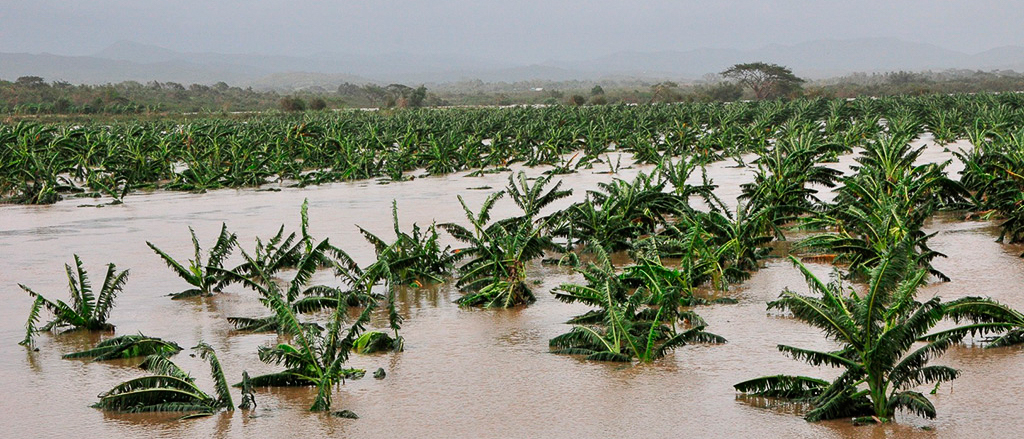
“With this development, higher chances of above-normal rainfall in the December 2025 to February 2026 season are expected, which may cause floods, flashfloods, and rain-induced landslides. Furthermore, an increased chance of tropical cyclone activity within the Philippine Area of Responsibility during the period is likely,” Servando disclosed.
Meanwhile, based on PAGASA’s monitoring, TD Wilma continues to maintain its strength as it moves toward Eastern Visayas, striking approximately 180 kilometers east of Borongan City, Eastern Samar.
The following areas have been placed under Signal No. 1: Southern portion of mainland Sorsogon; Mainland Masbate, including Ticao Island; Northern Samar; Eastern Samar; Samar; Biliran; Leyte; Southern Leyte; Cebu, including Bantayan and Camotes Islands; Bohol; Northern and central portions of Negros Occidental; Siquijor; Northern and central portions of Negros Oriental; Northern and central portions of Iloilo; Eastern and central portions of Capiz; Guimaras; Surigao del Norte including Siargao and Bucas Grande Islands; Dinagat Islands; Northern portion of Surigao del Sur; Northern portion of Agusan del Norte; and Camiguin.