President Ferdinand Marcos Jr. on Thursday declared a national state of calamity in the aftermath of Typhoon Tino, signalling an urgent pivot to relief and rehabilitation efforts.
The President authorized the measure following a recommendation from the National Disaster Risk Reduction and Management Council (NDRRMC), citing widespread damage across multiple regions.
As Tino ravaged the central Philippines, key provinces such as the Dinagat Islands were among the first to declare their own local states of calamity in recognition of the extensive damage to infrastructure, homes and utilities.
Meanwhile, in the Visayas, Cebu City and surrounding areas likewise moved quickly to invoke the measure in the aftermath of flooding and landslides.
Government officials say the national declaration enables faster disbursement of emergency funds, deployment of rescue and medical teams, and a streamlined process for relief operations.
President Marcos noted that relief operations were already ongoing and urged all relevant agencies to maintain maximum coordination.
On local levels, the declaration permits local governments to tap into Quick Response Funds and other relief resources with fewer procedural delays — a critical capability given the scale of the disaster. As one example, the municipal council of Guiuan approved a state-of-calamity declaration in a special session, citing winds of up to 150 kph and gusts to 205 kph.
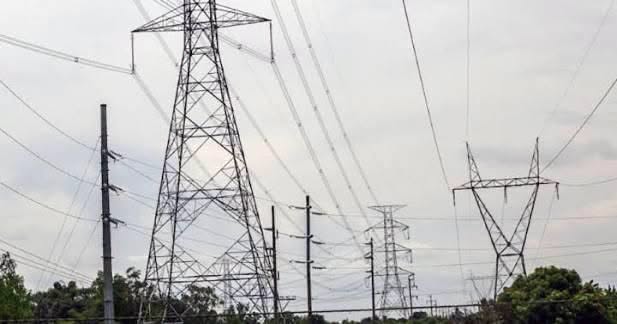
Disaster managers warn that the hit was particularly severe because the typhoon brought torrential rains, flooding and landslide-risk in areas already vulnerable. In many places, power outages and disrupted communications have compounded the challenge of reaching stranded or isolated communities.
The government added that it will be focusing on search and rescue, restoring power and communications, clearing debris, and assessing the full breadth of damage — including agriculture, infrastructure and homes — so that rehabilitation programs can be designed.
With the state of calamity declared, government officials say they will monitor the situation continuously and may expand relief efforts as needed.