
MANILA, Philippines — The Philippines is seeking to expand its energy cooperation with Brazil by tapping into the South American country’s expertise in biofuel production and renewable energy technology, as part of efforts to strengthen energy security and attract new investments.
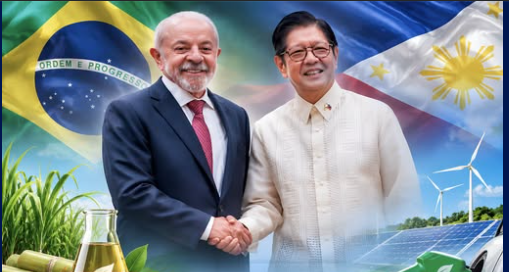
President Ferdinand Marcos Jr. and Brazilian President Luiz Inácio Lula da Silva discussed potential collaboration in bioethanol production, technology transfer, and knowledge-sharing during their bilateral engagement on the sidelines of the 49th ASEAN Summit and Related Summits.
The proposed cooperation aims to help the Philippines develop cleaner and more sustainable energy sources while reducing its dependence on imported fossil fuels.
Brazil is among the world’s leading producers of bioethanol, particularly sugarcane-based ethanol, and has developed an established biofuel industry supported by decades of technological innovation and government policies.
The Philippines is looking to benefit from Brazil’s experience in improving biofuel production efficiency, developing renewable energy technologies, and encouraging private sector participation in the energy industry.
Expanded cooperation could also provide opportunities for Philippine agricultural producers, particularly those involved in sugarcane production, to participate in the development of domestic biofuel supply chains.
Bioethanol is a renewable fuel commonly blended with gasoline to reduce reliance on petroleum-based fuels. Its environmental benefits depend on production methods, agricultural practices, and the energy used throughout its supply chain.
Under the Philippines’ Biofuels Act of 2006, the government promotes the use of biofuels as part of its strategy to diversify energy sources, support agricultural development, and reduce dependence on imported petroleum products.
Strengthening domestic bioethanol production could help improve fuel supply diversification while creating additional economic opportunities for farmers, producers, and investors.
The proposed partnership also comes as the Philippines faces continuing challenges involving energy costs, supply security, and the need to expand cleaner energy alternatives.
Technology cooperation with Brazil could support improvements in local production capacity and encourage investments in biofuel processing facilities, research, and related infrastructure.
However, the potential benefits would depend on the availability of agricultural feedstocks, production costs, infrastructure, and the implementation of future cooperation agreements.
Beyond biofuels, the discussions reflect efforts by Manila and Brasília to broaden bilateral cooperation in sustainable development and energy innovation.
The engagement also highlights the Philippines’ interest in strengthening economic partnerships with countries outside Southeast Asia as it hosts the 49th ASEAN Summit.
While both leaders discussed opportunities for cooperation, specific investment commitments, project timelines, and implementation arrangements for the proposed biofuel initiatives have not been announced.
The Philippines is expected to pursue further discussions with Brazil to identify areas where technical cooperation and investment could support its long-term energy security and renewable energy objectives.