
MANILA, Philippines — The Philippines is pushing for stronger energy cooperation between Canada and the Association of Southeast Asian Nations (ASEAN) to improve electricity affordability, strengthen power supply reliability, and accelerate investments in sustainable energy infrastructure.
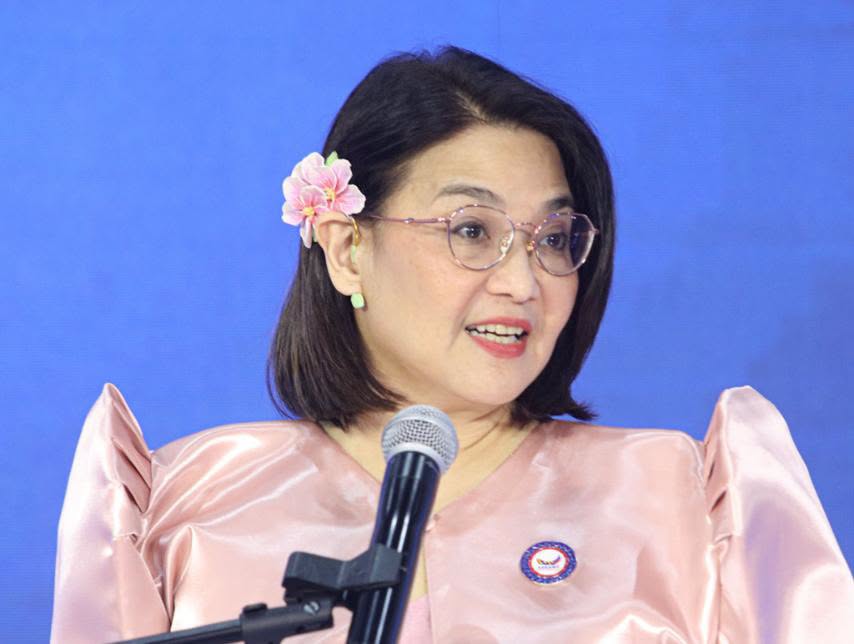
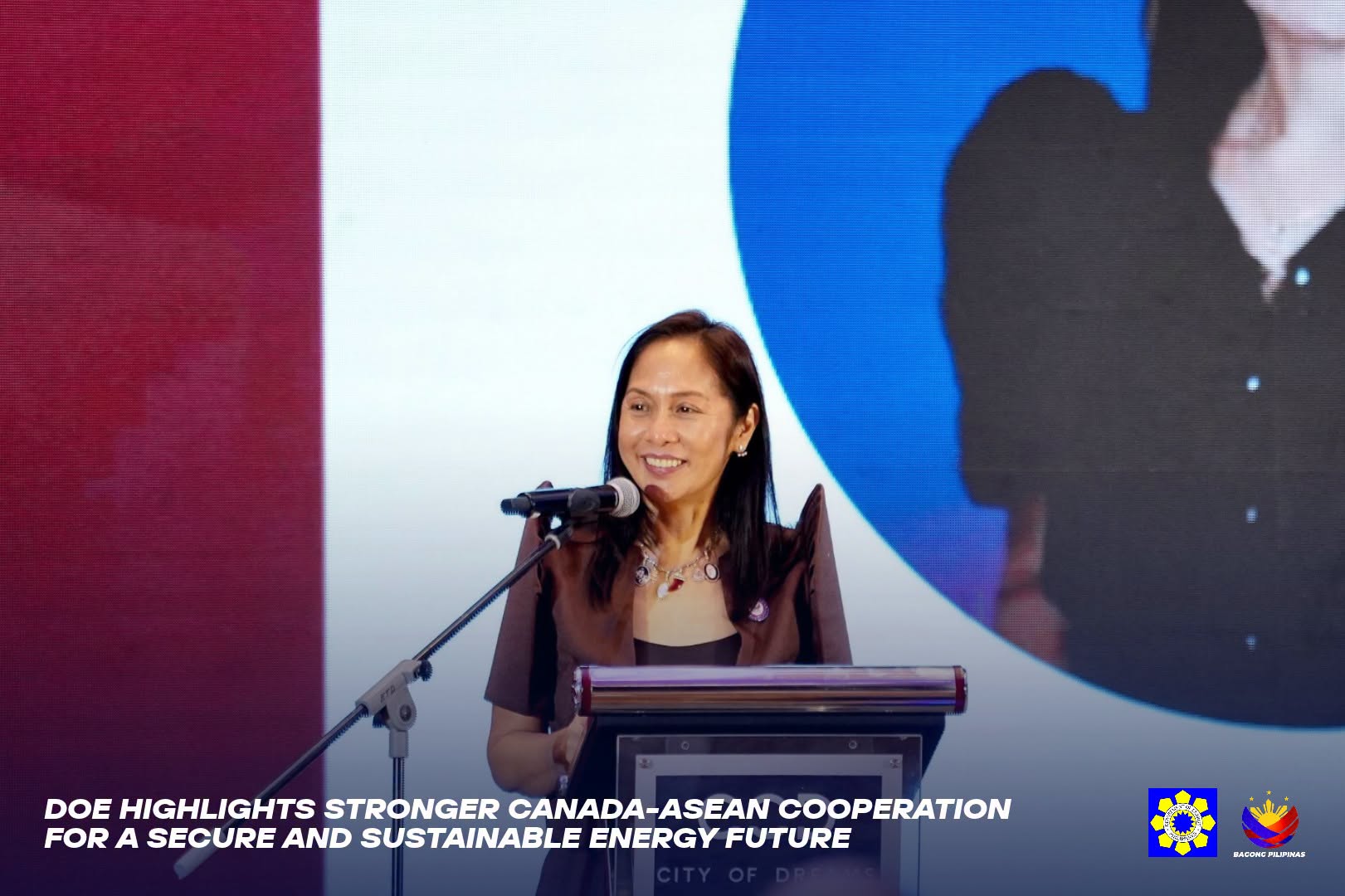
Department of Energy (DOE) Secretary Sharon Garin emphasized the importance of regional partnerships in addressing the challenges of energy security, affordability, and environmental sustainability during the Canada-ASEAN Business Forum 2026.
“Ultimately, the trilemma comes down to people: whether a family can afford its electricity, whether a business can operate without interruption, and whether the next generation inherits a region that is more resilient and more prosperous,” Garin said.
The energy trilemma refers to the challenge of balancing energy security, affordability, and sustainability, particularly as countries seek to meet growing electricity demand while transitioning toward cleaner energy sources.
Organized by the Canada-ASEAN Business Council (CABC) in support of the Philippines’ ASEAN Chairmanship, the forum gathered government officials, business leaders, and institutional partners to explore opportunities for closer economic and energy cooperation.
Discussions focused on potential investments in power grid modernization, renewable energy development, nuclear technology, and infrastructure capable of withstanding climate-related disruptions.
Garin underscored the need to translate regional cooperation into concrete investments and projects that would directly benefit households, industries, and communities.
The DOE also highlighted the planned establishment of the Senior Officials Meeting on Energy–Canada (SOME–Canada) dialogue platform beginning in 2027.
The mechanism is expected to strengthen policy coordination, facilitate energy-related investments, and support regional connectivity between ASEAN member states and Canada.
Closer cooperation on power grid modernization could help improve electricity transmission efficiency and reliability, while renewable energy and nuclear technology partnerships could provide additional options for diversifying energy sources.
For the Philippines, stronger international energy cooperation could also support efforts to address electricity supply challenges and encourage investments in modern power infrastructure.
However, the DOE did not specify the investment commitments, project costs, or implementation schedules associated with the initiatives discussed during the forum.
Garin emphasized that the success of energy partnerships should ultimately be measured by their impact on consumers and businesses, particularly through affordable electricity, uninterrupted operations, and more resilient communities.
The planned SOME–Canada dialogue in 2027 is expected to provide a platform for continued discussions on regional energy priorities and potential joint projects.
The DOE reaffirmed the importance of international cooperation in building a more secure, sustainable, and economically competitive energy future for ASEAN.
Courtesy: Department of Energy