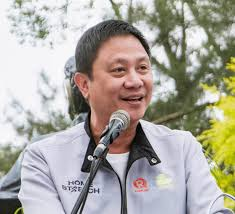

Philippine Sports Commission (PSC) chairman Patrick Gregorio is spearheading an ambitious push to position the Philippines as a premier global hub for sports tourism—an effort that blends athletic excellence with economic development.
Gregorio’s vision is coming to life as the country hosts the 32-nation FIVB Volleyball Men’s Championship across the Smart Araneta Coliseum and the MOA Arena. Powerhouse teams from Poland, Italy, Brazil, France, and the United States headline the tournament, drawing thousands of international visitors and generating worldwide media coverage.
The hosting spree doesn’t stop there. The country is set to stage the FIG Artistic Gymnastics Junior World Championships in November and the FIFA Futsal Women’s World Cup shortly after, adding to its growing reputation as a serious contender in global sports hosting.
Gregorio hailed the dramatic four-set victory of the underdog Alas Pilipinas men’s team over world No. 21 Egypt as a defining moment, saying it validated the country’s ability to compete—and win—on the international stage. “It’s a proud moment for Philippine sports,” he said. “This win is proof that belief and support can make the impossible happen.”
More than just competition: A tourism catalyst
For Gregorio, these events are not merely about medals—they are about mobilizing entire industries. He pointed to volleyball’s estimated 631 million global fans as a market ripe for tapping, noting that hosting world-class tournaments can yield benefits far beyond ticket sales.
“The economic impact and media exposure from these events are massive,” he said. “This is not just entertainment for local audiences—it is a strategic investment watched by the world.”
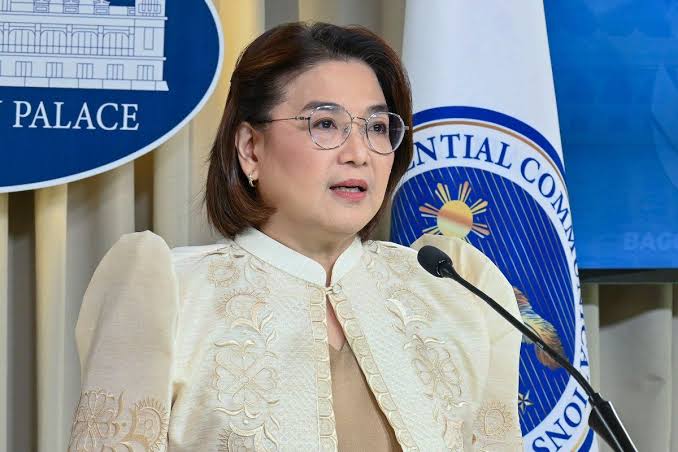
In line with this, the PSC is coordinating closely with the Department of Tourism (DOT) under Secretary Christina Garcia Frasco to establish a dedicated inter-agency council on sports tourism. This body will synchronize budgets, marketing, and infrastructure efforts to maximize the tourism gains from international sporting events, while ensuring funds come solely from sports allocations.
Proven economic returns
Frasco underscored the model’s promise, citing the 2023 FIBA World Cup co-hosted in Manila. A Nielsen Sports survey of 1,276 non-resident attendees found that 90 percent said the event boosted Manila’s appeal, 82 percent felt it enhanced its cosmopolitan reputation, and 77 percent said they were likely to return. Nearly 70 percent said they would recommend Manila as a travel destination.
“These are long-staying, repeat, and higher-spending visitors,” Frasco said. “That is the kind of yield we want for our tourism industry.”
For the FIVB tournament alone, Gregorio estimated that each delegation brought up to 40 people, often accompanied by family, friends, and supporters, while 80 international journalists flew in to cover the event. “Sports tourism benefits everyone—from hotels and restaurants to airlines, malls, and local shops,” he said.
Building a national sports tourism strategy
Gregorio envisions sports tourism as a powerful engine for inclusive economic growth—creating jobs, fueling hospitality and retail, and putting Philippine cities on global travel maps. He aims to institutionalize bidding for international events, saying the private sector is already responding enthusiastically, with tourism consortia forming custom travel packages around major tournaments.
“Every successful hosting builds our brand,” he said. “The world is watching, and we must be ready.”
As the cheers echo across arenas and medals are contested, Gregorio wants the country to see the bigger picture: that every global sports event hosted on Philippine soil is not just a game, but a gateway to national progress.