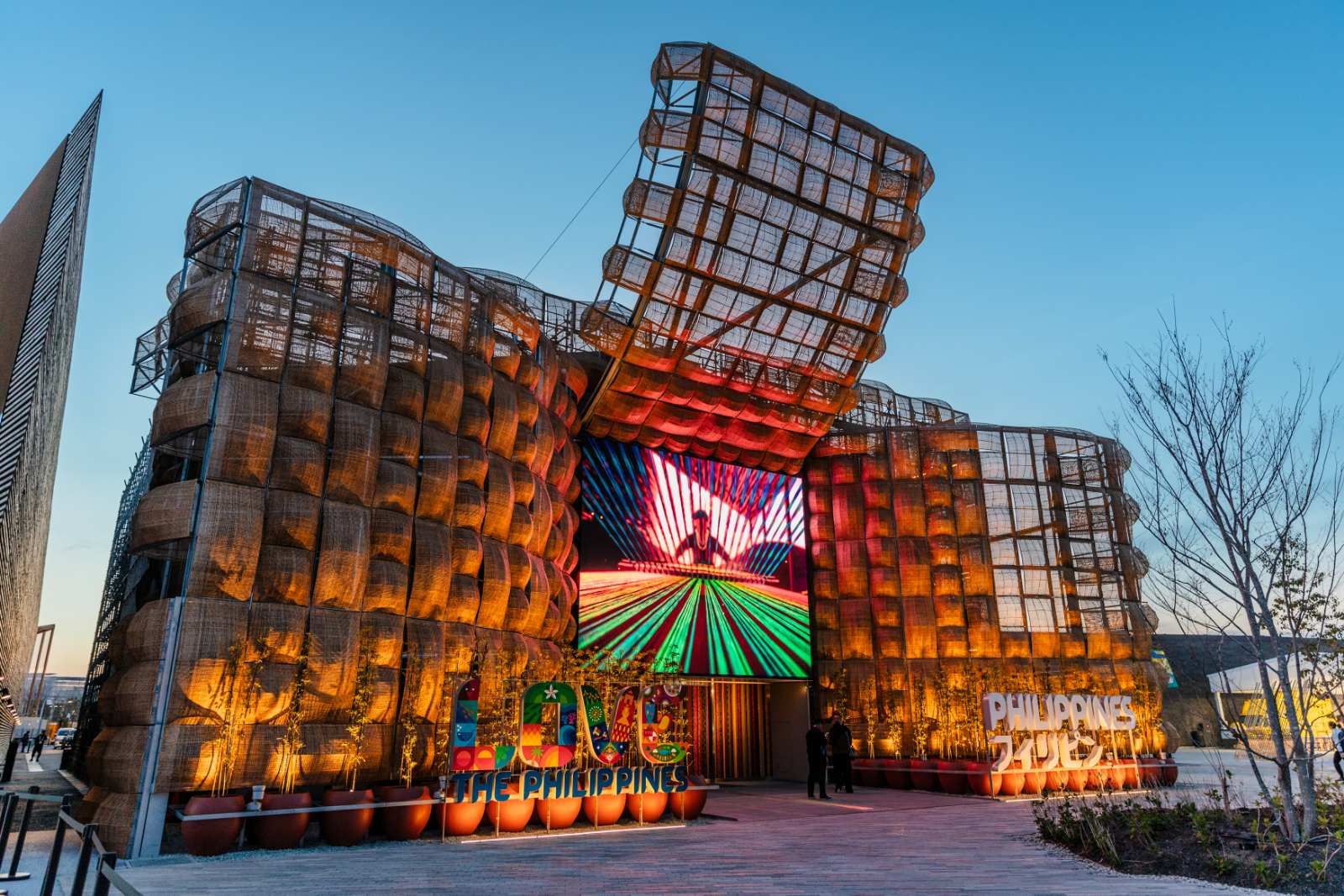

The Philippines has earned global acclaim at the World Expo 2025 in Osaka, Japan, as the Philippine Pavilion received the Silver Award for Exhibition Design from the Bureau International des Expositions (BIE), the organization that regulates and oversees World Expos.
The distinction recognizes self-built pavilions under 1,500 square meters that exemplify outstanding exhibit design and storytelling, highlighting the Philippines’ creative excellence and cultural depth among 158 participating nations and regions.
“When President Ferdinand R. Marcos Jr. entrusted the Department of Tourism to lead our country’s participation at Expo 2025 Osaka, it was with the conviction that we would bring to the world the heart and soul of the Filipino—our warmth, creativity, and steadfast spirit,” said Tourism Secretary Christina Garcia Frasco. “This recognition affirms that when we lead with authenticity and pride, the world sees the goodness and strength of who we are as a people.”

Led by the Department of Tourism as Commissioner General and the Tourism Promotions Board (TPB) Philippines as Secretary General, the Philippine Organizing Committee commissioned a world-class creative team to design the pavilion, which has welcomed over 1.1 million visitors since opening in April. With the theme Nature, Culture & Community — Woven Together for a Better Future, the pavilion stands as a celebration of Philippine craftsmanship, innovation, and sustainability.
“This Silver Award is a triumph not only of design but of devotion,” Frasco added. “It honors the dedication of our people to their craft, their culture, and their country. From the hands of our weavers and artisans to the vision of our architects and curators, the Philippine Pavilion reflects the hard work, persistence, and faith of a nation proud of its heritage. Through tourism, we continue to build livelihoods, protect traditions, and spark innovation that uplifts lives. This global recognition strengthens our resolve to show that the Philippines is, and will always be, a source of beauty, resilience, and hope for the world.”
The pavilion set itself apart with an innovative live performance façade made up of hundreds of woven panels crafted by weaving communities from all 18 Philippine regions. Inside, large-scale woven scrims, interactive AI-powered installations, and immersive digital exhibits—such as Dancing with Nature, AI photobooths, a Habi retail corner, a Hilot wellness area, and the Hain culinary station—created a multisensory experience where tradition meets technology.
Beyond its visual and experiential appeal, the Philippine Pavilion became a hub of cultural diplomacy, tourism promotion, and trade engagement. It hosted numerous events, including Philippine National Day celebrations, MICE roadshows, and business meetings that strengthened ties with Japanese prefectures, travel agencies, and media organizations.
In line with the government’s commitment to sustainability and cultural preservation, key elements of the pavilion will be repatriated to the Philippines after the Expo. These will be displayed at the National Museum of the Philippines and select regional sites—continuing the pavilion’s mission as a living platform for learning, creativity, and national pride.