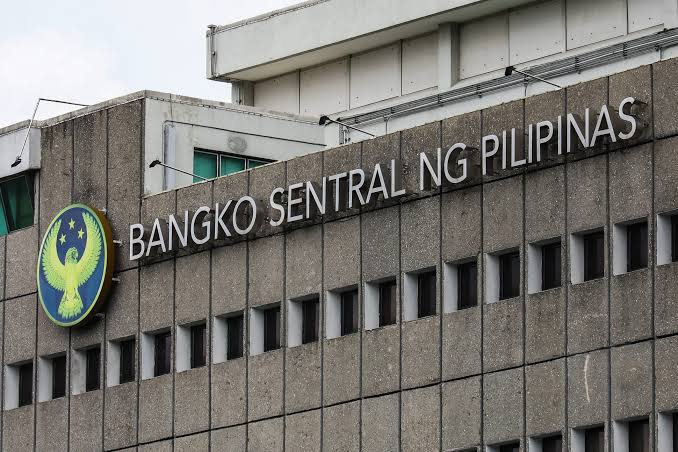

The non-performing loan (NPL) ratio of Philippine banks declined slightly in September 2026, reflecting a modest improvement in loan quality, according to the latest data from the Bangko Sentral ng Pilipinas (BSP).
Central bank figures showed that the banking industry’s NPL ratio fell to 3.27 percent in September from 3.35 percent in August. The latest figure was also lower than the 3.31 percent recorded in September 2025.
Non-performing loans, or loans that borrowers have failed to repay within the prescribed period, amounted to Php 593 billion in September, down from Php 596 billion in the previous month.
However, the amount remained higher than the Php 538 billion recorded in September last year, indicating that the total value of problematic loans continued to exceed year-earlier levels.
Rizal Commercial Banking Corporation (RCBC) chief economist Michael Ricafort attributed the slight improvement in the NPL ratio partly to a higher loan base.
“Some banks [are] also more cautious about lending standards,” Ricafort said in a Viber message.
Despite the improvement, Ricafort warned that banks could face renewed pressure on loan quality in the coming months as economic and environmental risks threaten borrowers’ repayment capacity.
He cited the possibility of a strong El Niño episode, which could affect agricultural production and the income of borrowers dependent on farming and related industries.
Prolonged dry conditions could weaken the financial capacity of affected borrowers, potentially increasing the number of loans that become overdue.
Ricafort also warned that additional interest rate increases by the US Federal Reserve and the BSP could raise borrowing costs and make debt repayments more difficult for some households and businesses.
“Possible further Fed and Bangko Sentral ng Pilipinas rate hikes could further increase borrowing costs that could reduce the ability to pay by some borrowers,” Ricafort said.
The latest BSP figures suggest a modest improvement in banks’ loan portfolios, although economists continue to monitor potential risks from adverse weather conditions, higher financing costs and their effects on borrowers’ ability to meet financial obligations.