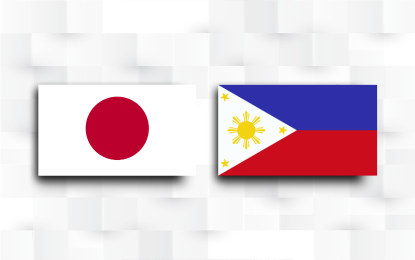
The Philippines and Japan significantly expanded their security partnership on Thursday, signing a major defense agreement and several development deals aimed at countering regional “coercion” and improving disaster resilience.
The Acquisition and Cross-Servicing Agreement (ACSA) was signed in Manila by Philippine Foreign Secretary Ma. Theresa Lazaro and Japanese Foreign Minister Toshimitsu Motegi. The pact creates a formal framework for the reciprocal exchange of military logistics, including fuel, food, and ammunition, during joint exercises and humanitarian missions.
In a joint statement following the signing, both officials emphasized their opposition to “unilateral attempts to change the status quo by force,” a move widely seen as a response to increasing Chinese assertiveness in the South China Sea.
“We both recognized the value of promoting the rule of law, including the freedom of navigation and overflight,” Lazaro said, noting the importance of the deal in maintaining a rules-based order.
Beyond the military logistics pact, Japan announced a suite of development assistance for the Philippines. This includes funding for security boat shelters and a major project to expand internet connectivity in the provinces of Basilan, Sulu, and Tawi-Tawi. These areas, historically affected by separatist conflict, are seen as critical to the government’s efforts to bolster internal security and economic integration.
The ACSA adds to a growing list of defense milestones between the two nations, following the entry into force of the Reciprocal Access Agreement (RAA) late last year. While the RAA facilitates the movement of troops, the ACSA focuses on the practical supplies needed to sustain those forces in the field.
The agreement must still be ratified by the Japanese Diet before it is fully implemented. Once active, it is expected to streamline large-scale joint training exercises between the Armed Forces of the Philippines and the Japan Self-Defense Forces.