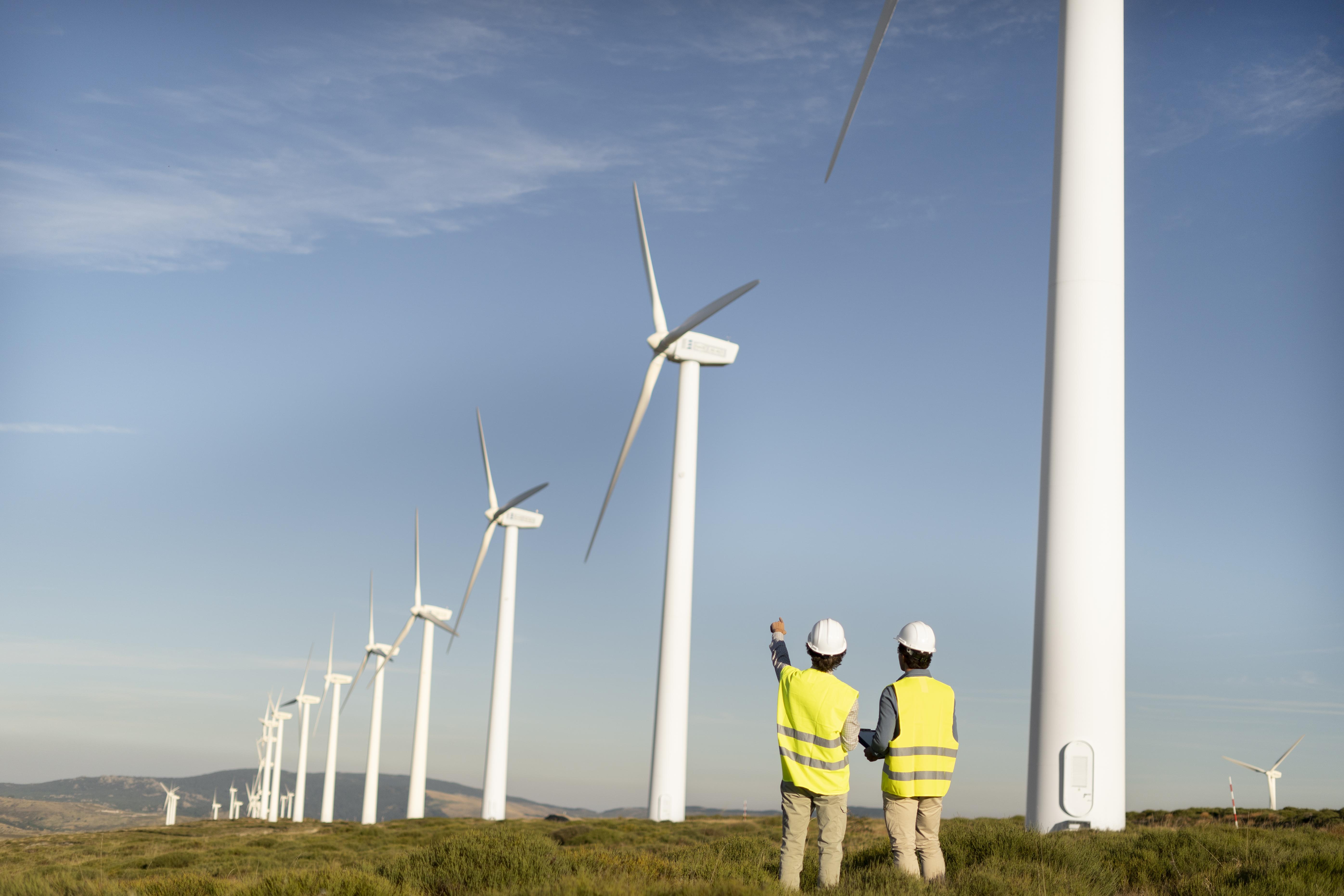

The Philippines is at a turning point in its energy journey—one where soaring demand and the urgent call for sustainability converge with the need to modernize aging infrastructure. At the heart of this transformation lies a simple truth: if the country wants a reliable, affordable, and future-proof energy system, the time to digitize is now.
A recent study by PricewaterhouseCoopers (PwC) predicts that by the end of 2026, 30% of top-tier utilities worldwide will shift from rigid, “built to last” IT models to flexible, “built to change” systems. This shift is not just a global trend—it’s a roadmap for Philippine energy companies seeking to stay competitive in a rapidly evolving landscape.
Locally, this evolution aligns with the Philippine Energy Plan (PEP) 2023–2050, a comprehensive blueprint for transitioning toward a cleaner, more resilient energy future. But achieving this vision will require more than just environmental commitment—it demands a complete digital overhaul.
Why digital transformation is no longer optional
Legacy systems—once the backbone of utility operations—are now a major roadblock. They are costly, inefficient, difficult to update, and ill-equipped to handle the demands of a modern, data-driven energy market. According to delaware Philippines, a leading provider of advanced ICT solutions, the path forward requires bold moves away from outdated systems and toward intelligent, integrated digital platforms.
“IT is no longer just a support function—it’s now a driving force in shaping a customer-first, future-ready energy sector,” said Rosette Carrao, Partner and Managing Director at delaware Philippines. “Legacy systems are holding companies back. To stay ahead, utilities need agile systems that allow them to make faster decisions and deliver smarter services.”
The case for modern ERP solutions
Here’s what energy providers gain when they ditch legacy systems and go digital:
1. Reduced Costs, Greater Efficiency
Maintaining outdated systems means dealing with expensive hardware, manual workarounds, and complex maintenance. Modern Enterprise Resource Planning (ERP) solutions streamline operations, automate processes, and lower operating costs—freeing teams to focus on innovation rather than patching up old tech.
2. Stronger Cybersecurity and Reliability
With cyber threats rising, unsupported legacy software becomes a liability. Cloud-based ERP platforms offer robust, built-in security, automated updates, and greater system resilience—ensuring utilities stay protected and always online.
3. Real-Time Insights and Better Decision-Making
Disconnected systems lead to fragmented data and slow response times. A modern ERP solution integrates all operations, providing a unified view of performance through dashboards, AI-driven analytics, and predictive tools—essential for responding to shifting demand or regulatory changes.
4. Scalability for the Future
As the energy sector integrates smart grids, renewable sources, and digital consumer tools, legacy systems simply can’t keep up. Scalable cloud platforms adapt as business needs evolve, allowing companies to future-proof their infrastructure with ease.
5. Enhanced Customer and Employee Experience
Customers today expect seamless, digital-first service. Modern systems enable features like mobile self-service portals, instant usage tracking, and accurate billing. Internally, teams benefit from real-time collaboration tools, improving workflow and satisfaction.
6. ESG Reporting and Compliance
Sustainability is no longer a nice-to-have—it’s a mandate. Integrated digital platforms help utilities track carbon emissions, monitor efficiency, and generate compliance-ready environmental, social, and governance (ESG) reports, aligning operations with global standards.
A call to action
According to Simone Pigason, Senior Vice President for Customer Success at delaware Philippines, digital transformation isn’t just a tech upgrade—it’s a strategic imperative.
“This is about more than retiring old systems,” she said. “It’s about laying the groundwork for a smarter, more agile, and customer-focused energy sector. Companies that act now will be better equipped to scale, compete, and lead.”
As the Philippines navigates its energy transition, the role of digital technology will be decisive. For utilities willing to take the leap, the rewards are clear: lower costs, smarter decisions, stronger customer ties, and a sustainable future.
delaware Philippines stands ready to help utility providers reimagine their operations with tailored digital solutions that turn today’s challenges into tomorrow’s opportunities. To learn more, visit www.delaware.pro/en-ph.